stat counters
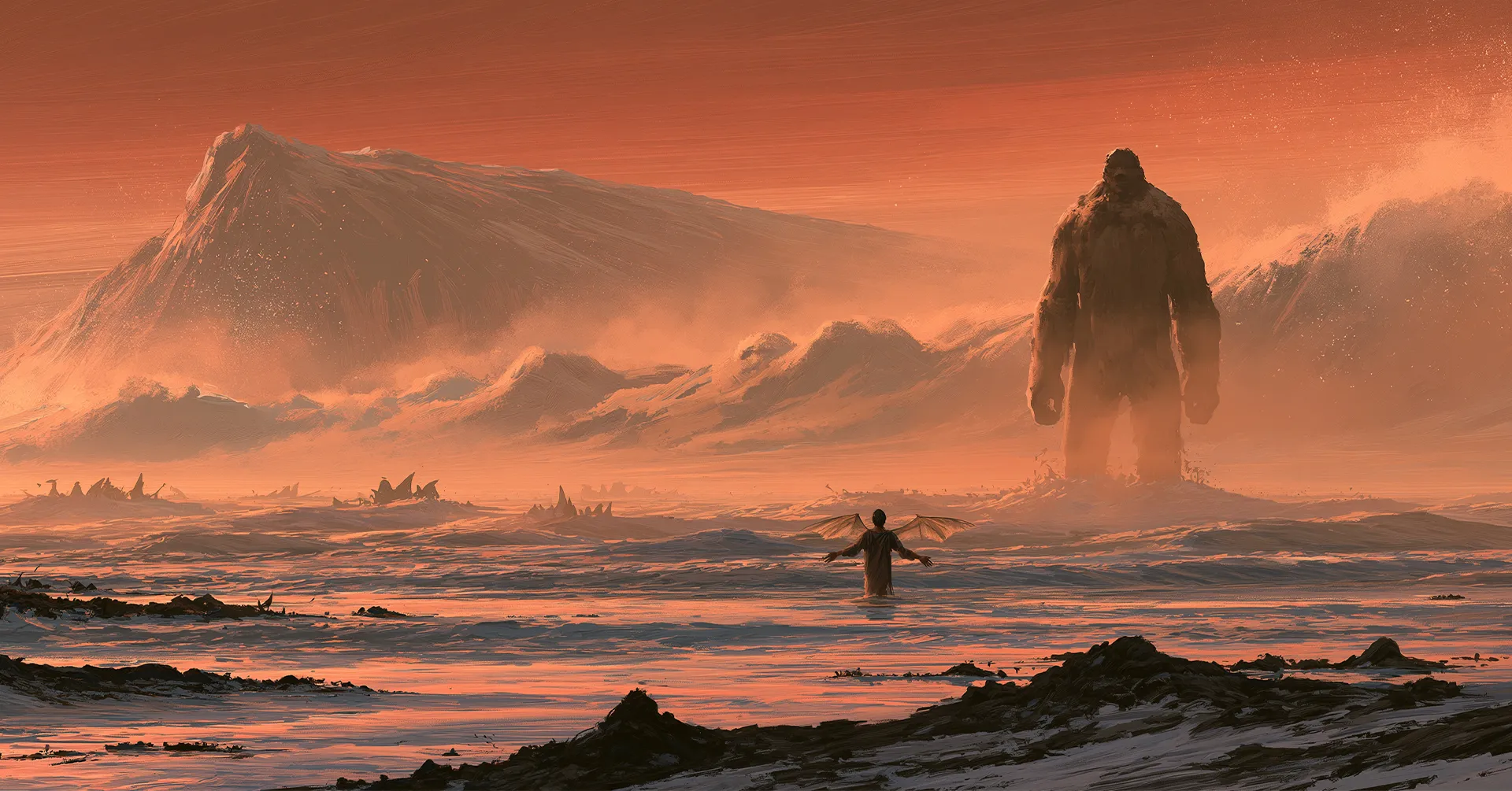
A giant stands calm in floodwater while a winged figure hovers before him, date unstated

Mahaway and the Flood: What the Book of Giants Preserves

A modern retelling puts Mahaway in rising floodwater, calm and unwilling to run, while his father, the Watcher Barakel, begs him to fly to the highest mountain. Mahaway answers that no mountain is beyond the flood, the two part with sorrow, and the archangel Raphael binds Barakel and the earth swallows him. The Qumran fragments ...

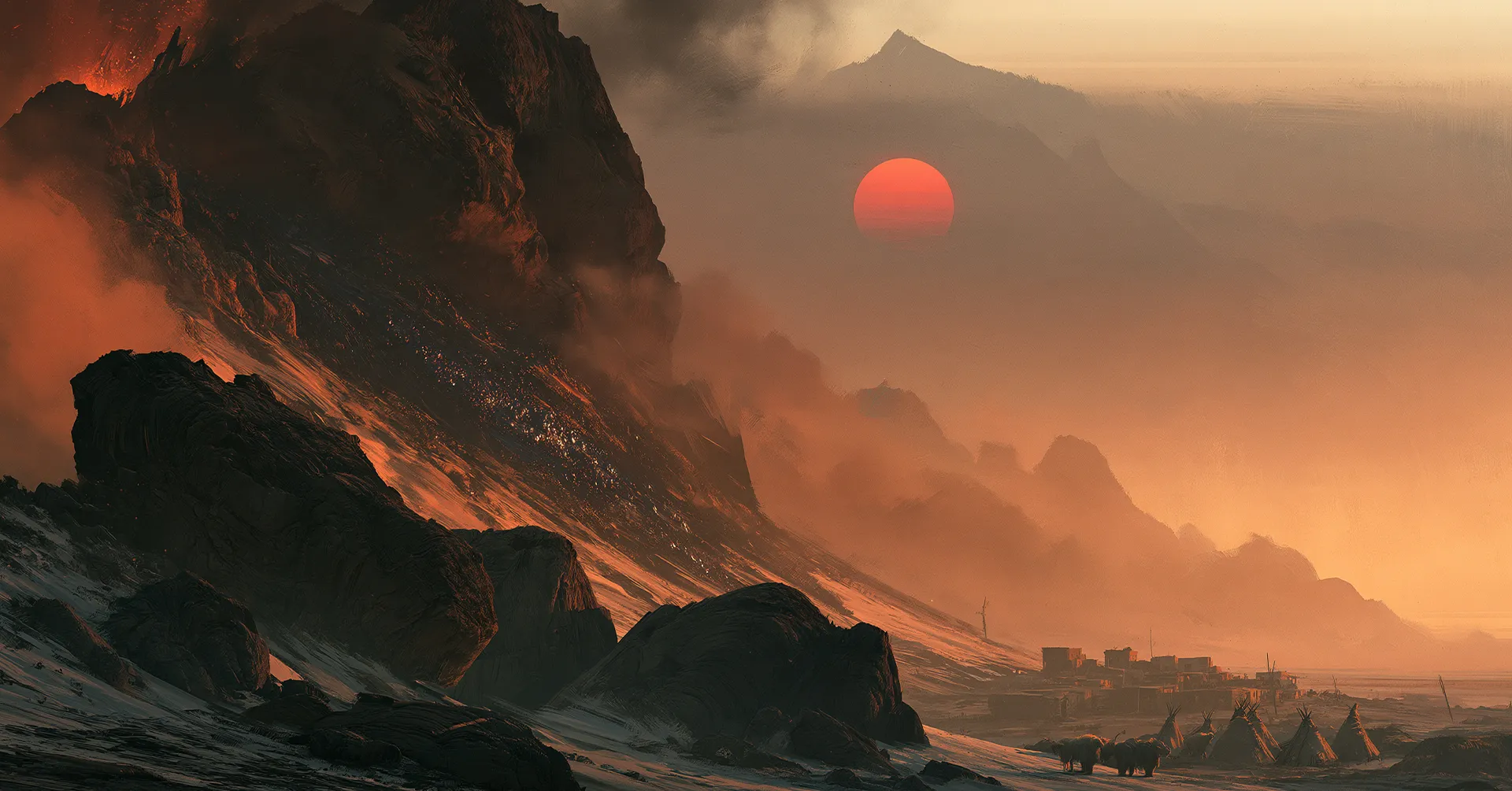
A collapsed rock face buries a seam of metal above a tiny village, date unstated

Did the Giants Fight Over Metal? What the Old Texts Say

In the Book of Giants and the texts around it, the giants end by killing one another, but the sources do not say the killing began over a metal. A modern retelling dates the first battle after Enoch’s warning and gives it a cause: a cache of strange metal, harder than iron and lighter than ...

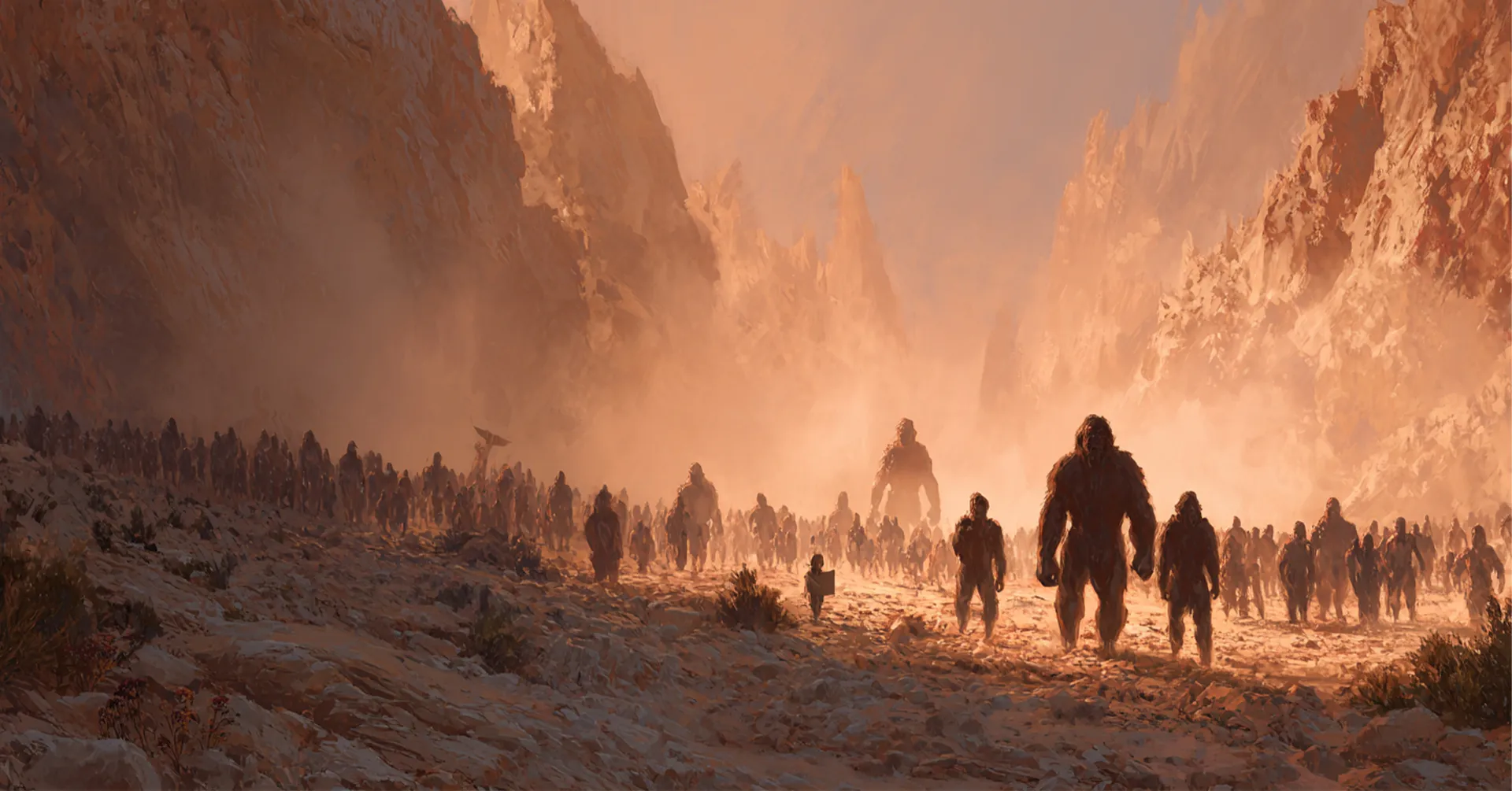
Colossal figures gather in a barren valley around a small winged messenger, date unstated

Dreams, Tablets and Defiance: The Giants’ Last Assembly

The Book of Giants survives only in fragments, yet its outline is clear enough to ask what the giants did when they learned that they were doomed. A modern retelling of that moment has them gather in a ruined valley, Hahyah snatch a scroll and read it aloud, and the assembly split into those who ...

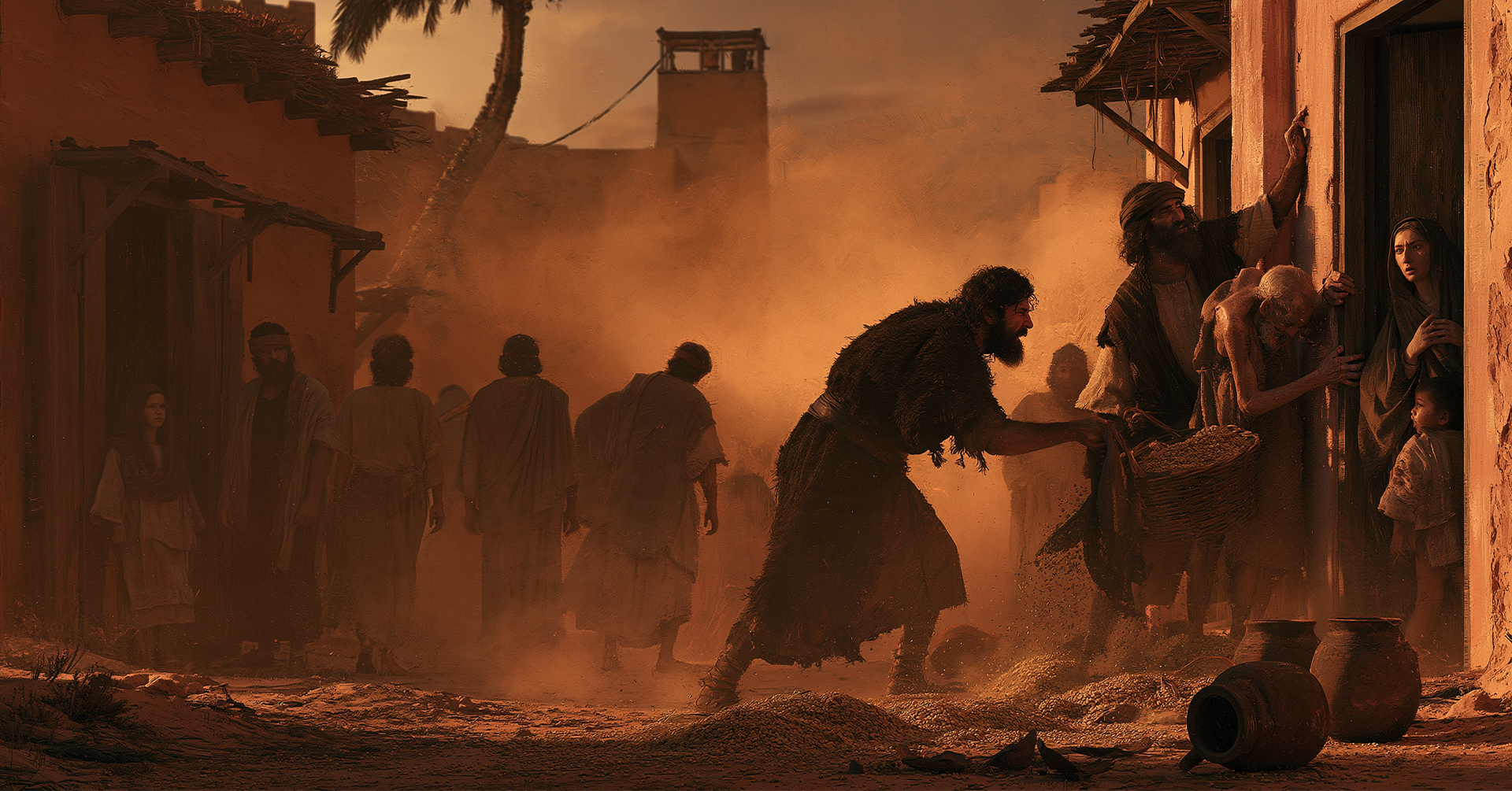
A man shoves a trader against a wall in an imagined city lane, date unstated

Filled With Violence: What Genesis 6:11 Says About the Flood

Genesis 6:11 gives the cause of the flood in a single word. The King James Version says the earth “was corrupt before God” and “was filled with violence”, and God repeats the word to Noah in verse 13. The Hebrew is chamas. The verse does not define it, and Genesis supplies no example under it. ...

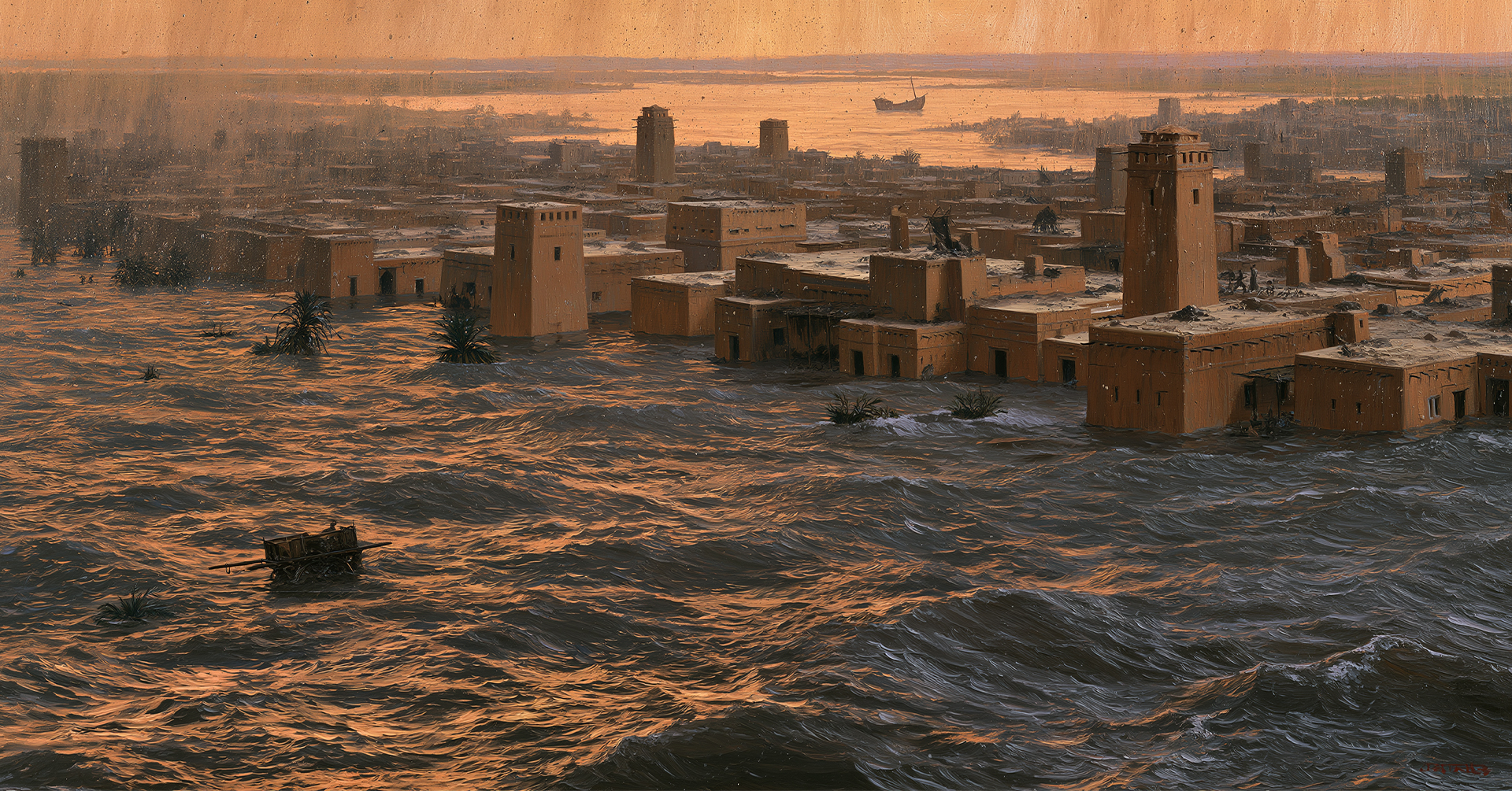
Floodwater covers an imagined sandstone city, with one small hull on the horizon, date unstated

Everything That Breathed Died: What Genesis 7:21-23 Says

Genesis 7:21-23 records the death of nearly every living thing on dry land in three verses. The King James Version says that “all flesh died that moved upon the earth” and that “Noah only remained alive, and they that were with him in the ark”. The passage gives no count of the dead, no scene ...

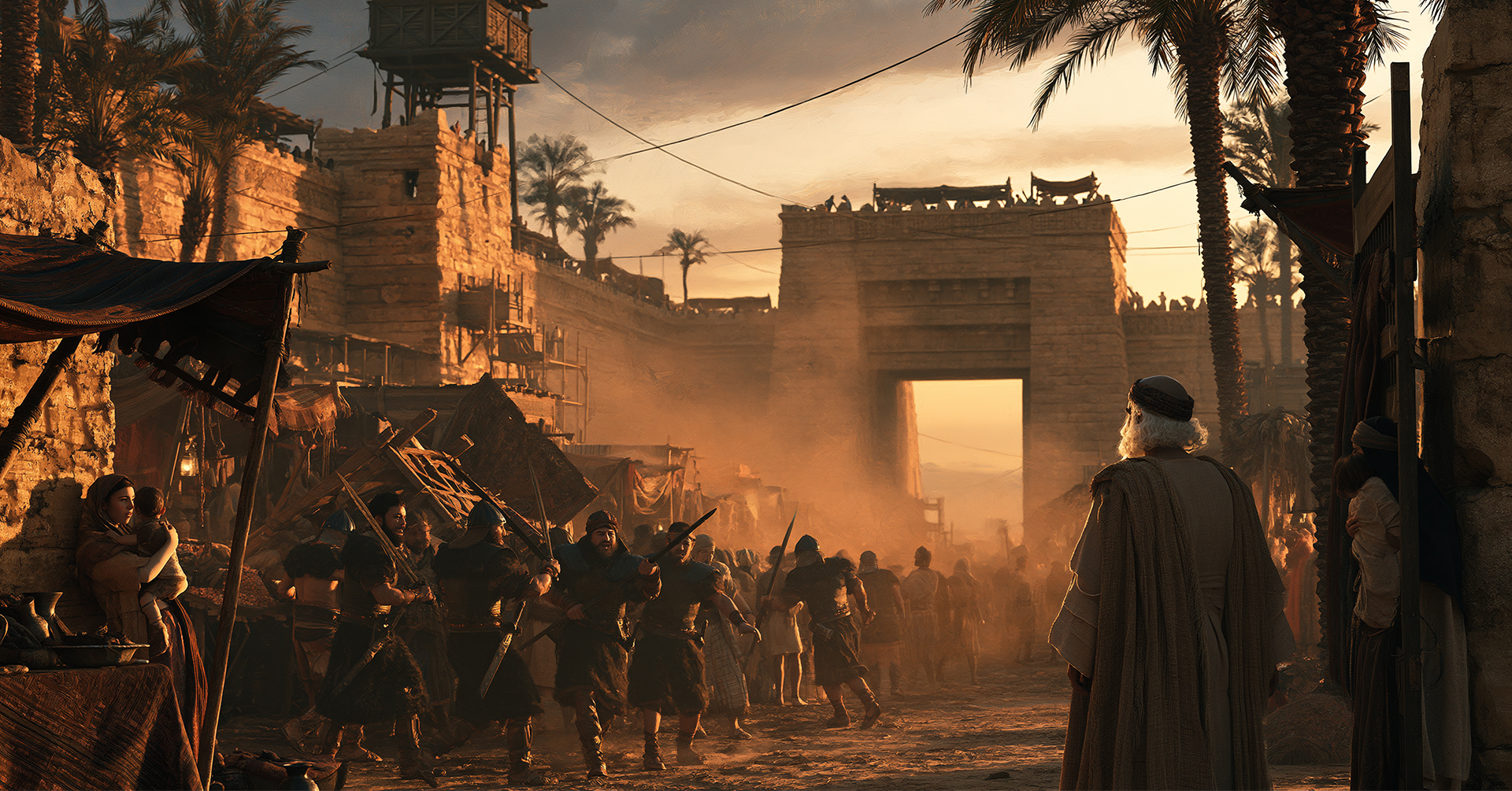
A white-bearded man watches a crowded lane inside an imagined walled city, date unstated

Why God Grieved Before the Flood: What Genesis 6:5-6 Says

Genesis 6:5-6 gives the reason for the flood in two verses. The King James Version says that “God saw that the wickedness of man was great in the earth”, that every thought of the heart “was only evil continually”, and then that “it repented the LORD that he had made man on the earth”. The ...

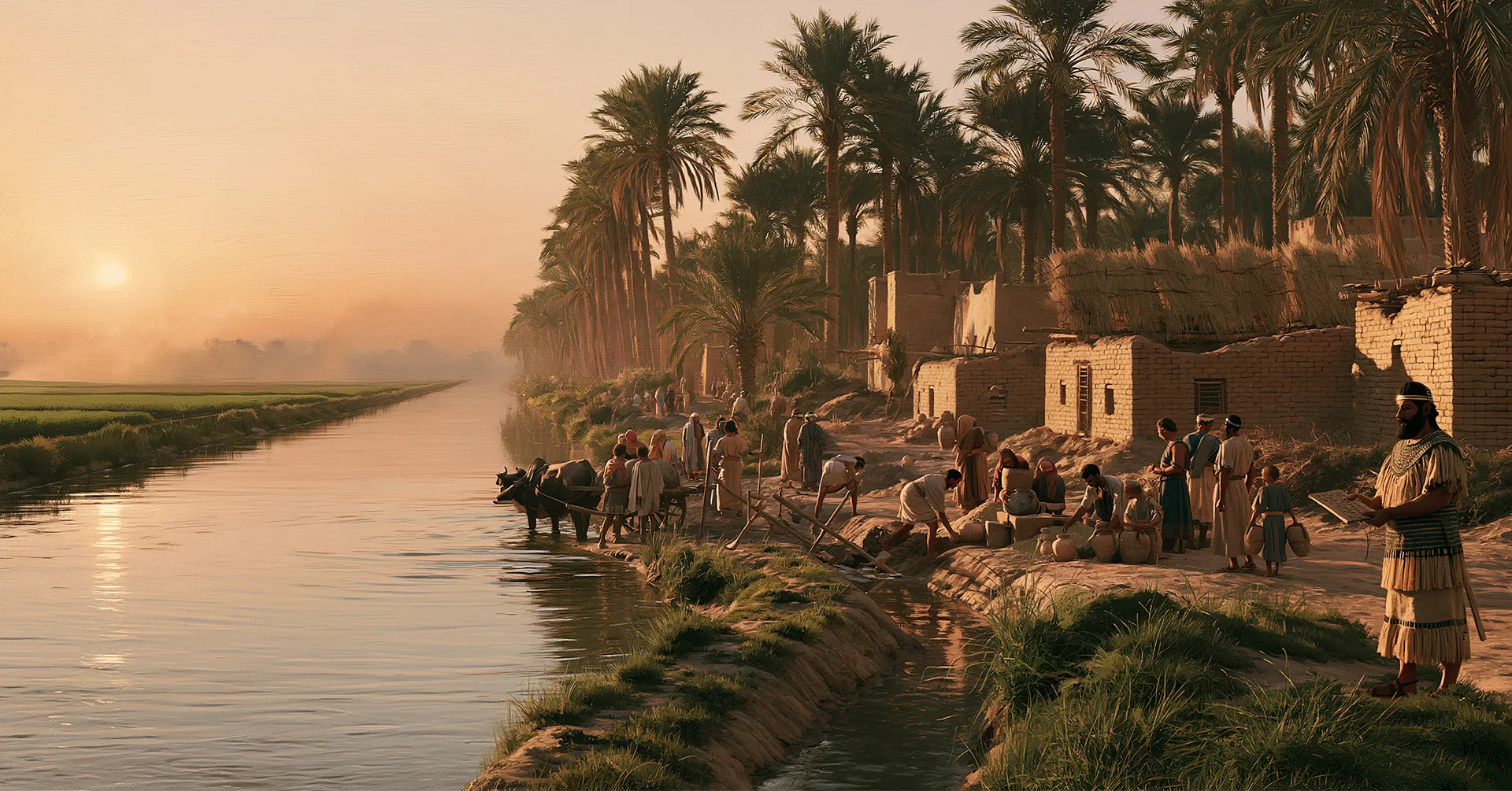
Judean families settle beside an irrigation canal under date palms, about 580 BCE

Jewish Exiles in Babylon After 587 BCE: Legend and Evidence

When Jerusalem fell, Nebuchadnezzar of Babylon carried part of Judah’s people to Babylonia. In Louis Ginzberg’s Legends of the Jews he makes the captives march naked while he and his princes celebrate on their vessels, and he has the handsomest youths massacred after Babylonian women are seized with passion for them. The Bible does not ...

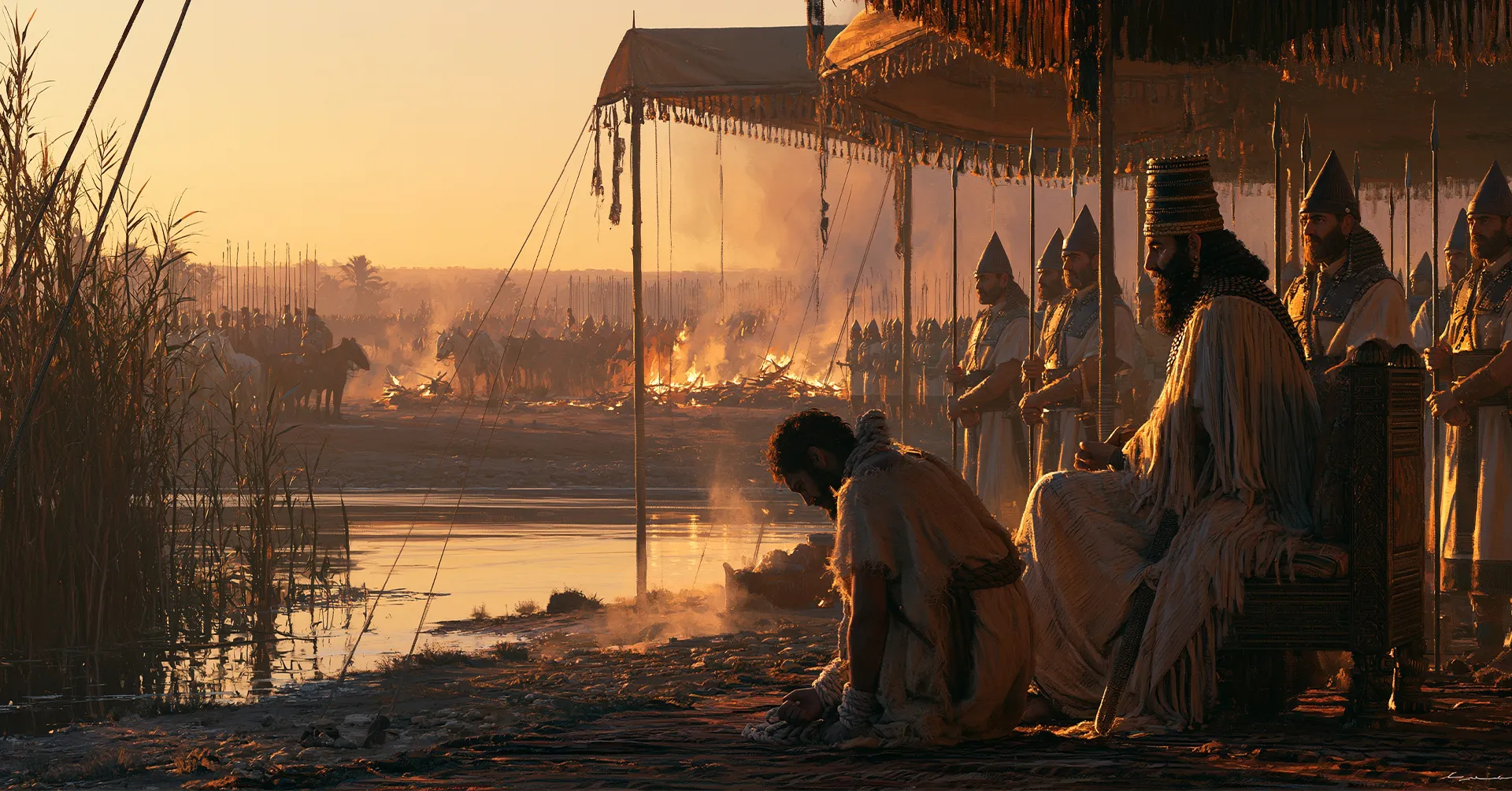
A bound king kneels before a seated Babylonian ruler in a camp pavilion, 587 BCE

Zedekiah Blinded at Riblah: What the Bible Records

Zedekiah, the last king of Judah, was overtaken on the plains of Jericho, brought to Nebuchadnezzar at Riblah and made to watch his sons killed, and then he was blinded, bound with bronze fetters and carried to Babylon (2 Kings 25:4-7). The text does not say that he fled through an underground passage, it places ...

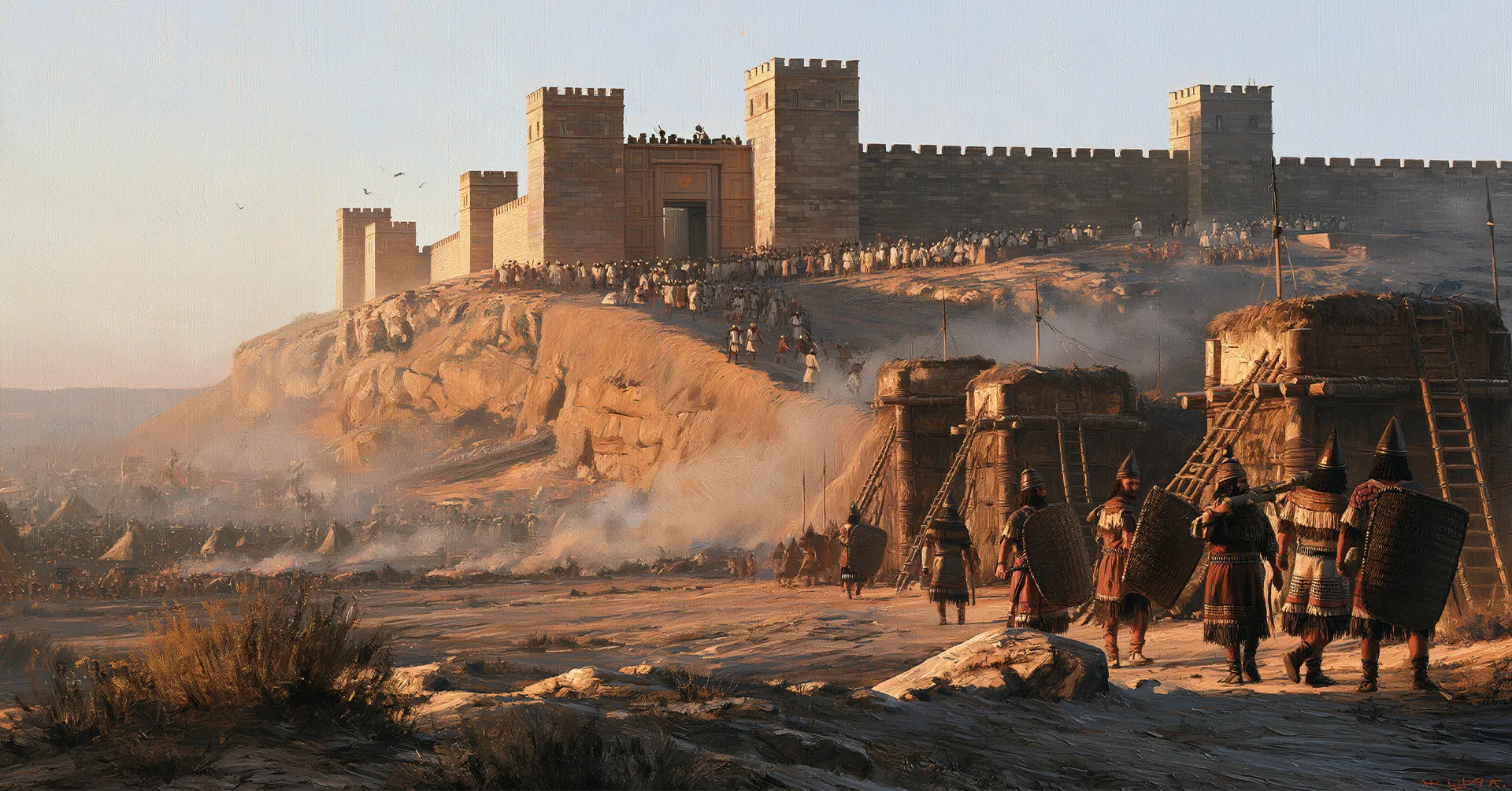
Babylonian soldiers raise a siege ramp against Jerusalem’s wall, 589 to 587 BCE

The Siege of Jerusalem, 589 to 587 BCE: What the Texts Say

The siege of Jerusalem by Nebuchadnezzar of Babylon began in the ninth year of King Zedekiah, and by the eleventh the city had no bread and its walls were broken. Scholars place the fall in 587 or 586 BCE. The Bible dates the breach to the ninth day of the fourth month and the burning ...

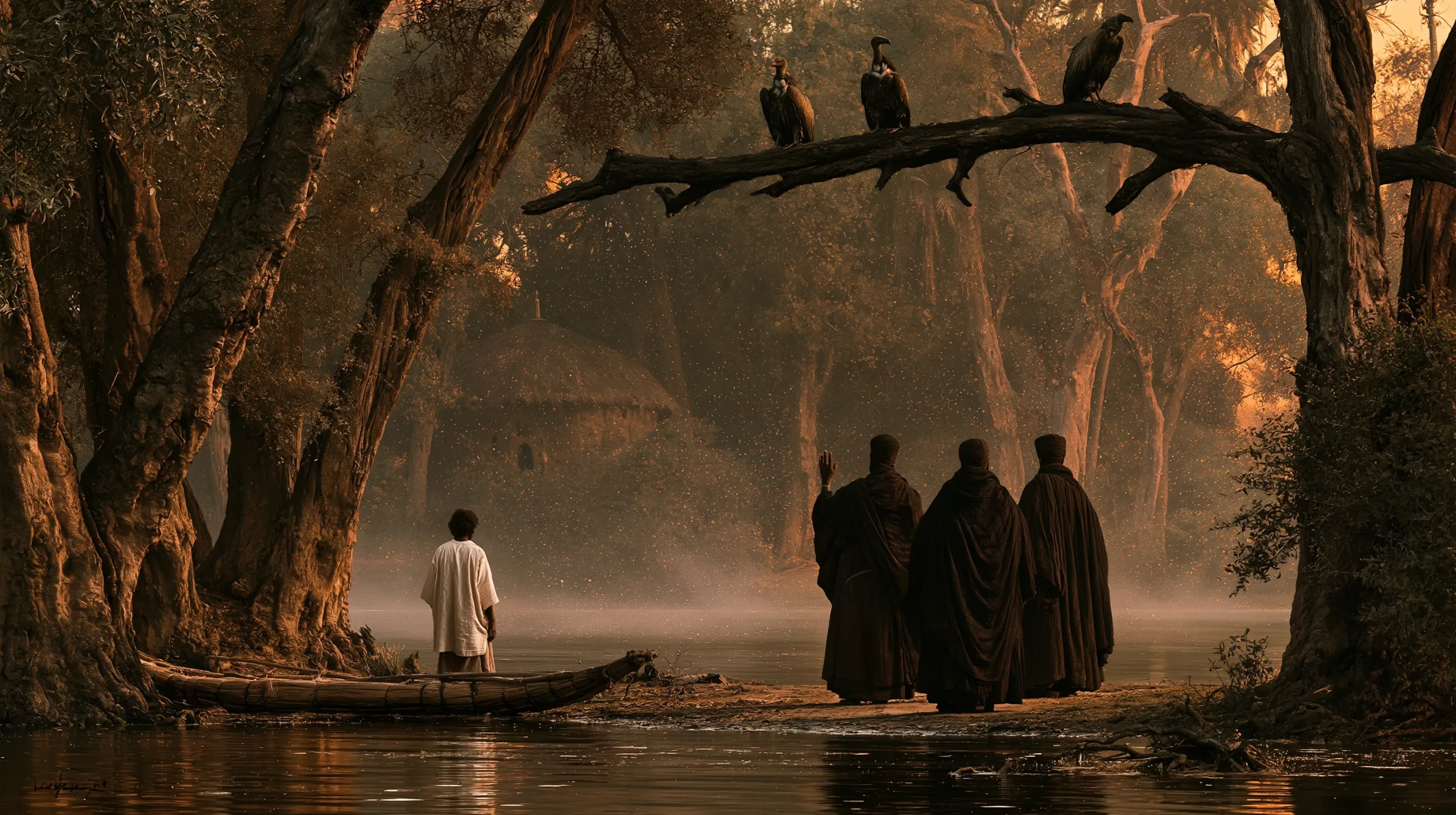
Three monks bar a forest path to a traveller beside his canoe, present day

Why the Monks of Tana Kirkos Will Not Say Where the Ark Is

The monks of Tana Kirkos, on an island in Lake Tana in northern Ethiopia, would not say where the Ark of the Covenant is, according to a photojournalist who says he asked them directly. The reason he was given is that invaders had tried to steal it. The account names no thieves and gives no ...

[Valid RSS]