Category: Archaeology & Sites
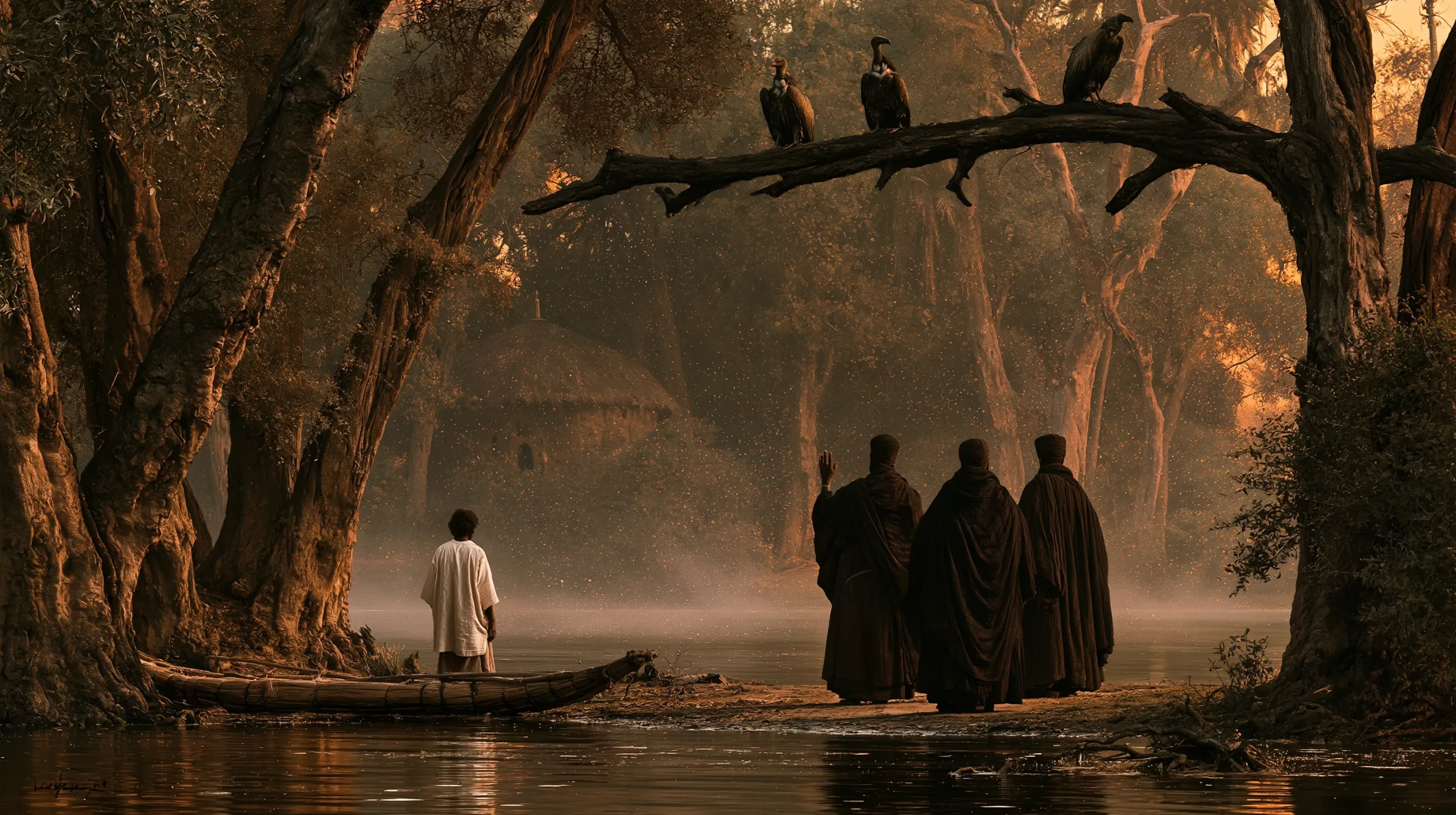
Why the Monks of Tana Kirkos Will Not Say Where the Ark Is
The monks of Tana Kirkos, on an island in Lake Tana in northern Ethiopia, would not say where the Ark of the Covenant is, according to a photojournalist who says he asked them directly. The reason he was given is that invaders had tried to steal it. The account names no thieves and gives no ...
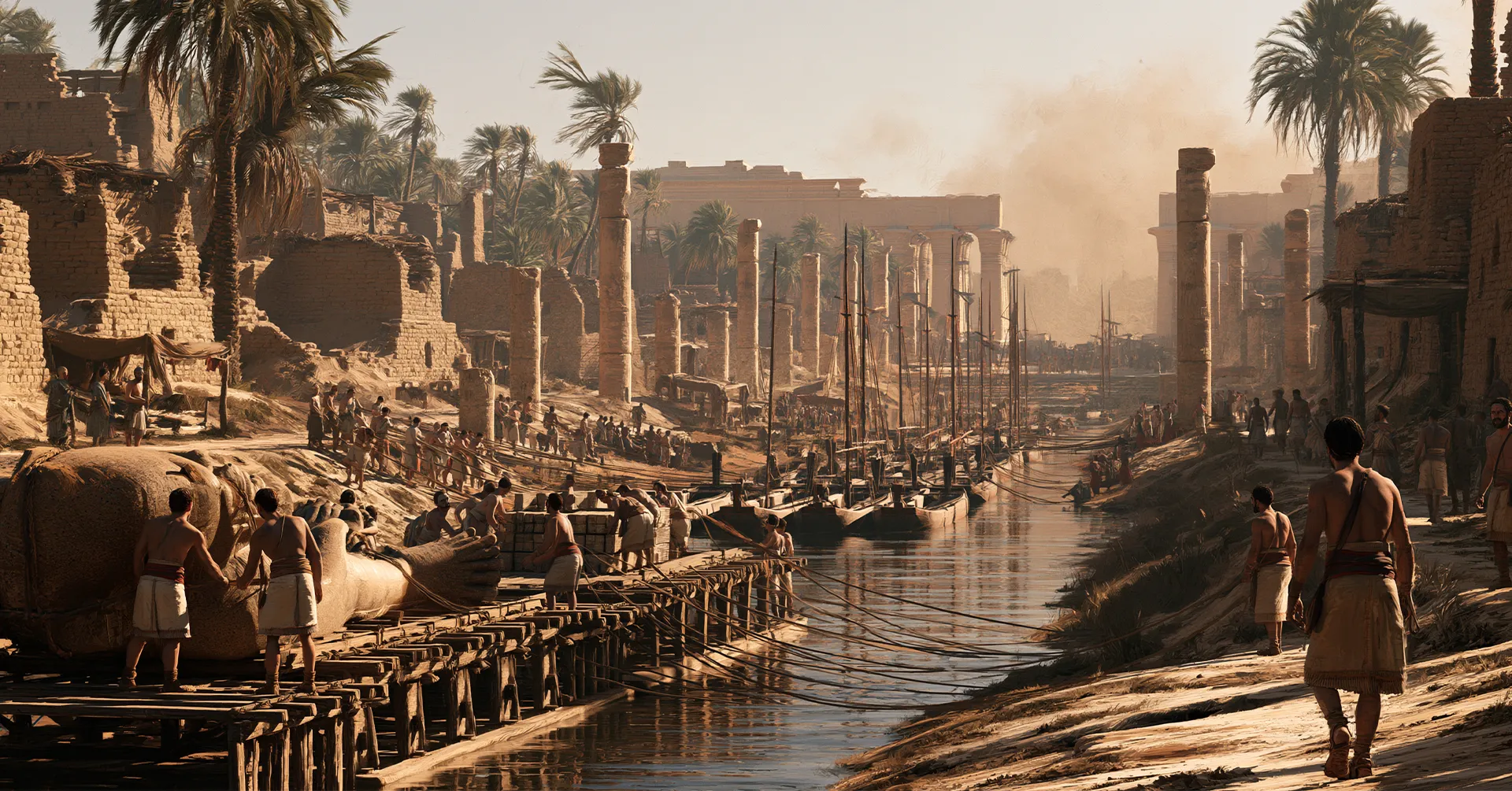
Pi-Ramesses Taken Apart: How Its Stones Ended Up in Tanis
Ramesses II built his capital, Pi-Ramesses, in the eastern Nile Delta of Egypt, and within about two centuries of his death it was being taken apart. Its stones went to Tanis, about 20 km to the north, where later kings used them to build a younger capital. Archaeologists sorted this out only in the twentieth ...
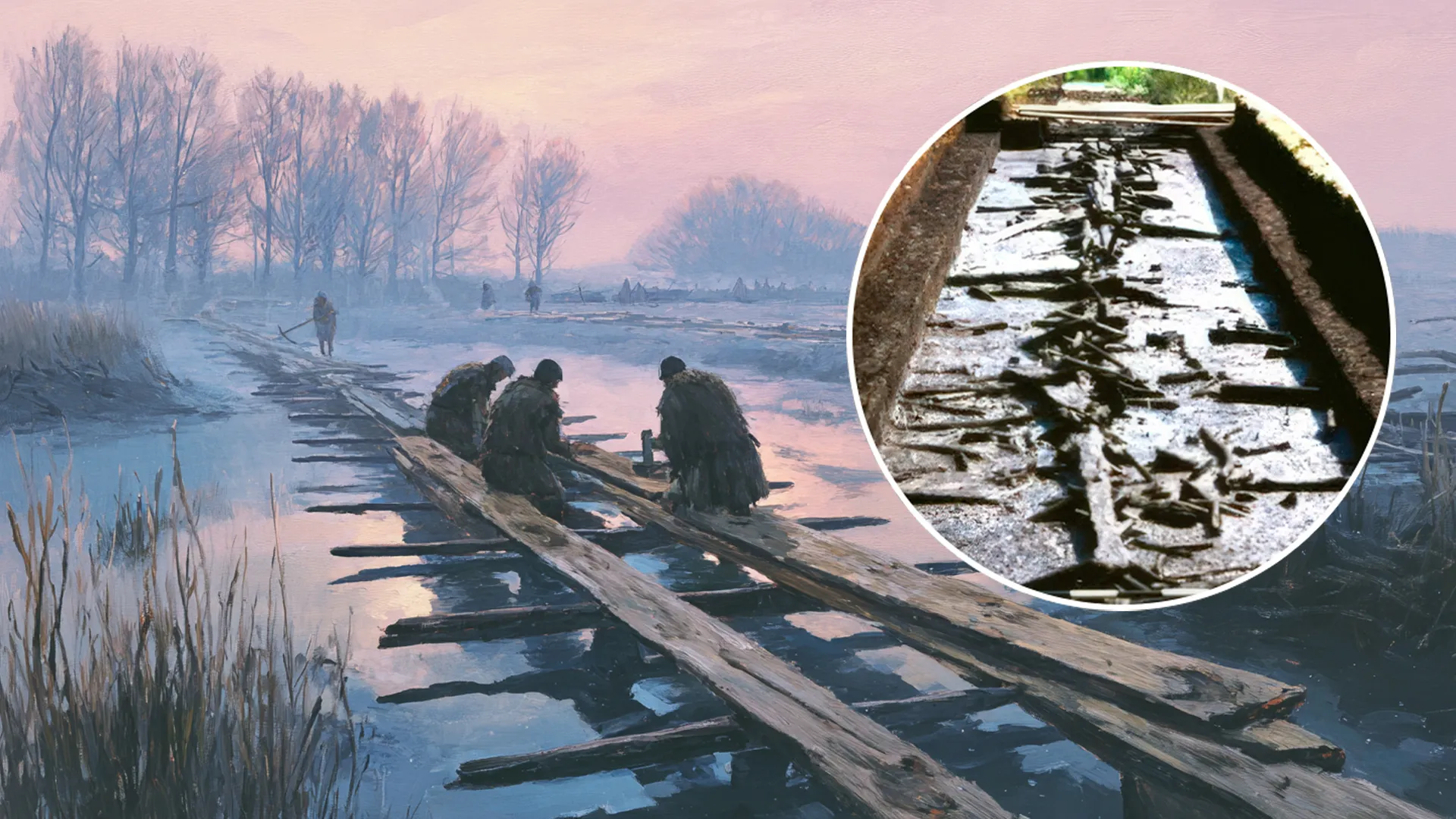
Tree Rings Date the Sweet Track’s Timbers to 3807 BCE
Tree rings place the felling of the Sweet Track’s timbers in the winter of 3807 to 3806 BCE, while radiocarbon dates for the same walkway span 4050 to 3800 BCE. The track was a raised path of split oak planks that crossed about two kilometres of reedswamp in the Somerset Levels, in southwest England. The ...
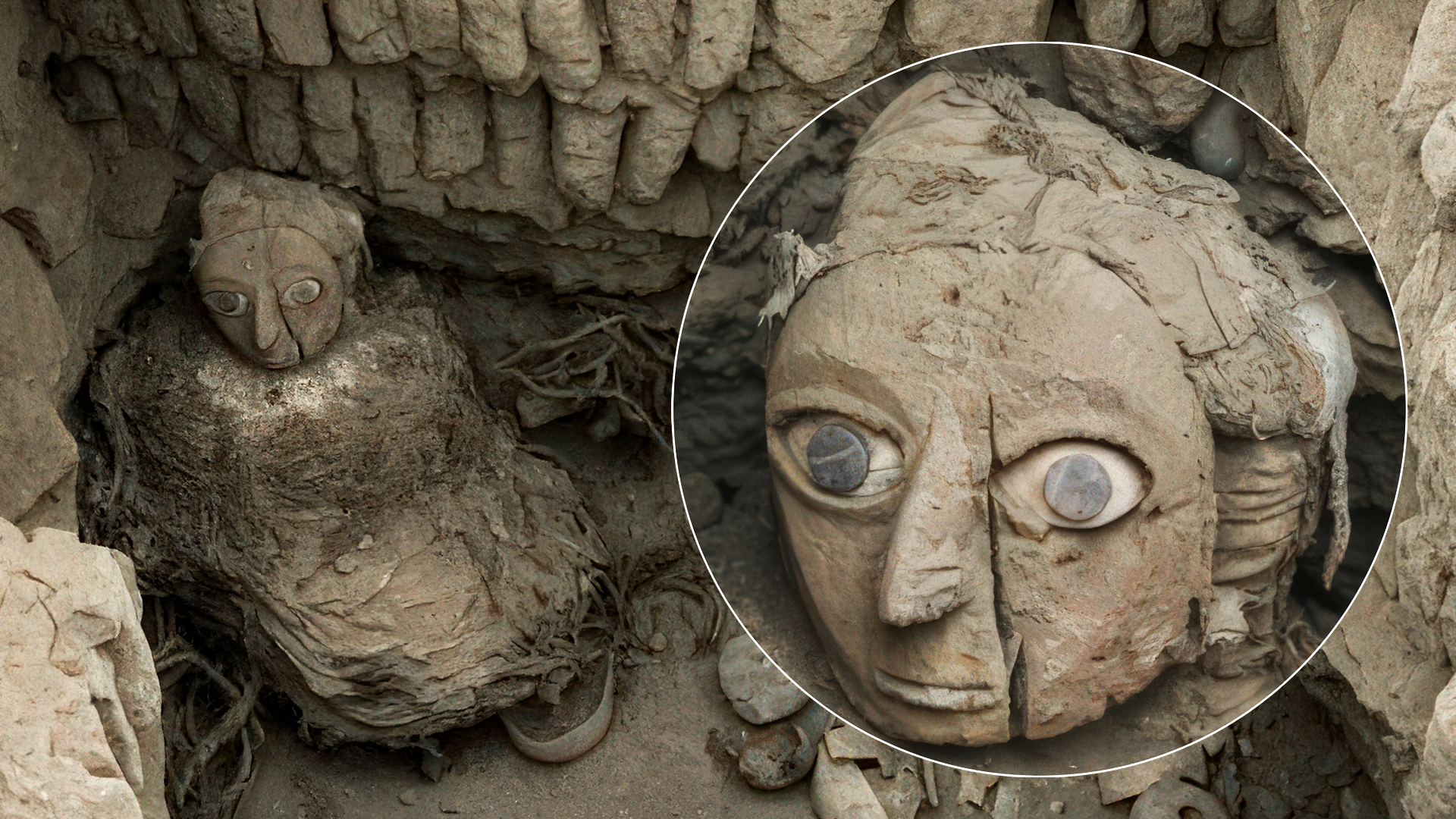
An Intact Wari Tomb in Lima Held the Lady of the Mask
In August 2008, archaeologists at Huaca Pucllana, an adobe pyramid in Lima’s Miraflores district, announced an intact Wari tomb whose best-known bundle wore a woman’s funerary mask with huge, blue-toned eyes. The team nicknamed her La Dama de la Máscara, the Lady of the Mask. The eyes belong to the mask, not to the woman. ...
The Roman Hill Built Entirely From Broken Oil Jars
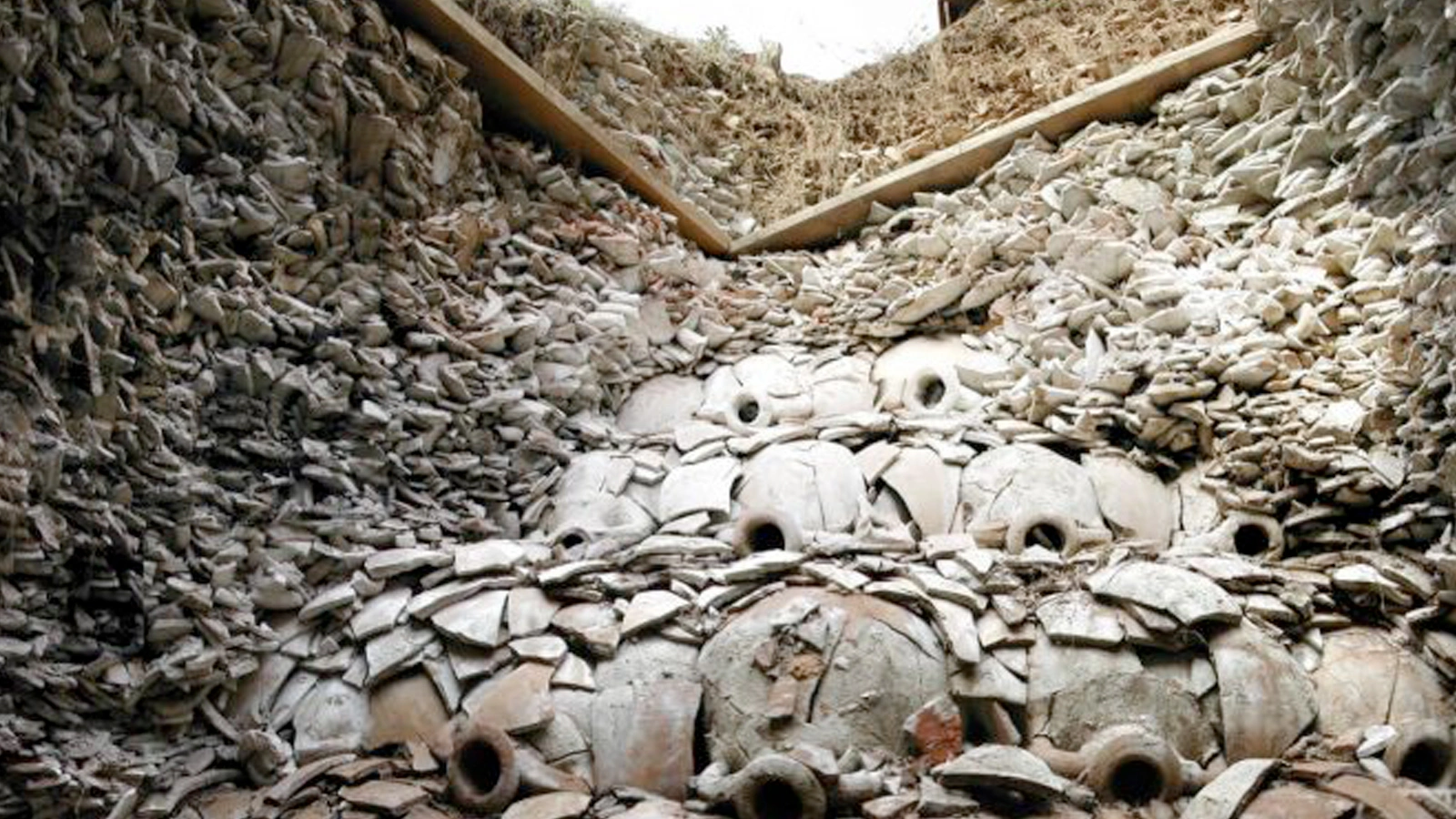
Rome has an artificial hill built almost entirely out of garbage, and the garbage happens to be one of the best economic records the ancient world left behind. Monte Testaccio rises 35 metres above the streets south of the Aventine Hill, made up of the broken remains of an estimated 53 million olive oil jars, ...
The Yemeni Bridge Designed to Be Pulled Apart by Hand
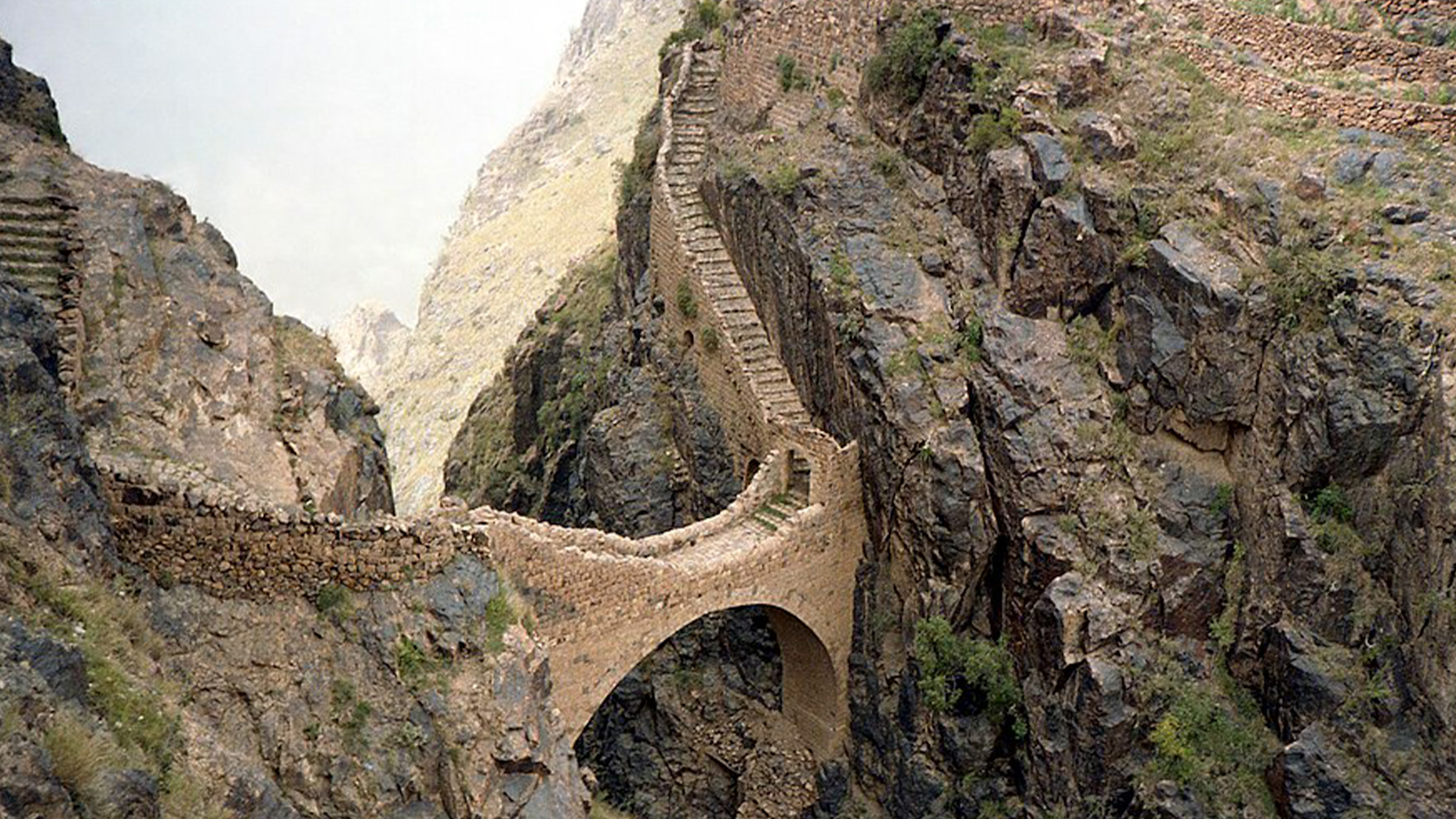
High in northern Yemen, a single stone arch spans a gorge nearly 300 feet deep, and for centuries it doubled as a weapon in its own right. The Shaharah Bridge could be pulled apart by hand, and when it was, an entire invading army had nowhere left to go, stranded on bare rock with a ...
Xu Xiake Studied China’s Karst Long Before It Had a Name
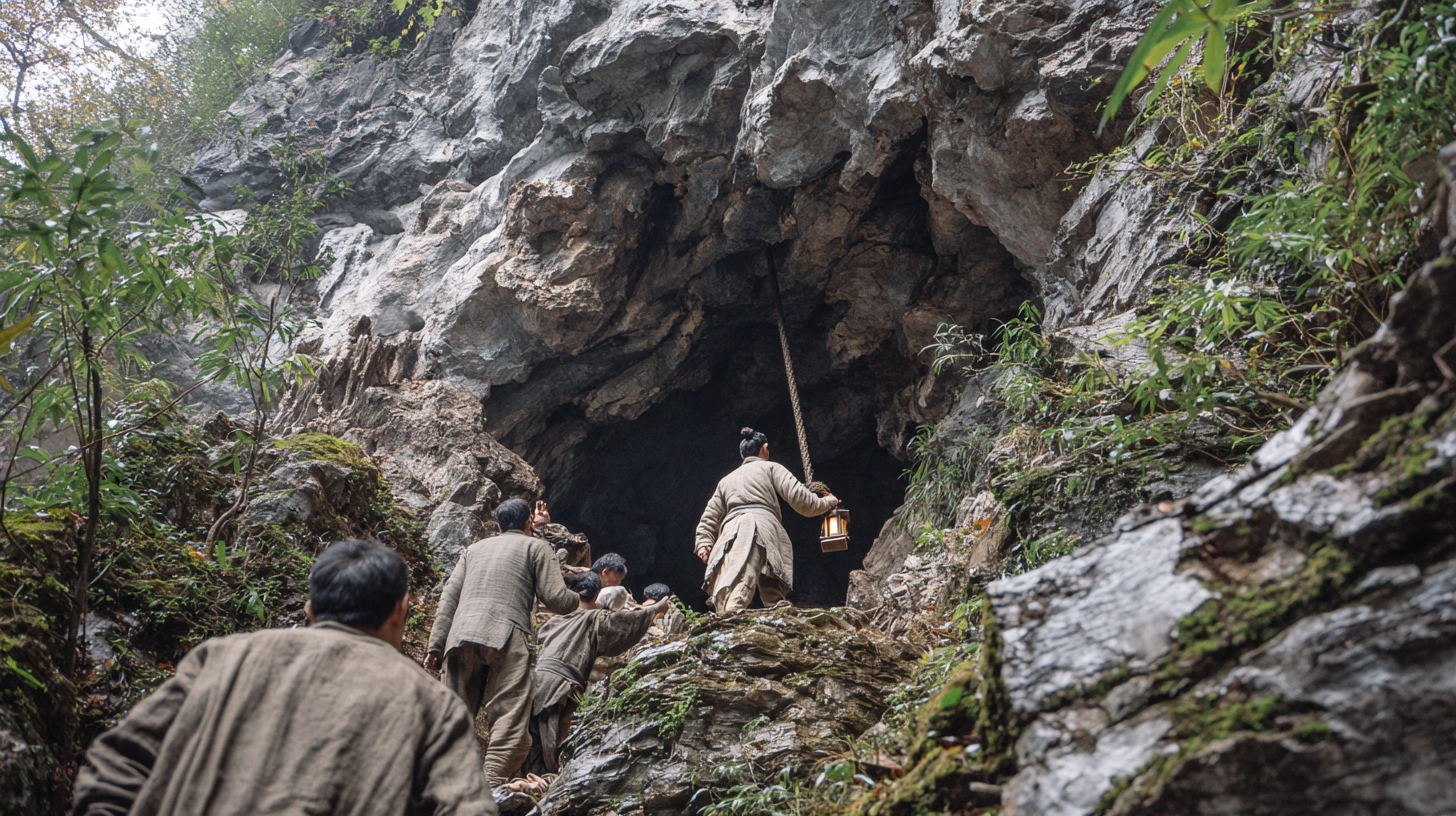
Four centuries before scientists rappelled into a Guangxi sinkhole and found a forest growing at the bottom, a Ming dynasty traveler on foot was already mapping the same limestone country, cave by cave, without a name yet for what he was looking at or the equipment modern researchers would eventually use to reach it. A ...
A 4,000-Year-Old Tuft of Hair Is All That Remains of a Vanished Arctic People
Not a skeleton. Not a grave marker. Not a single written word. What the permafrost at Qeqertasussuk in western Greenland preserved for 4,000 years was a tuft of hair — a few frozen strands left behind by someone who lived and died there long before any European had imagined crossing the North Atlantic. That is ...
Greenland Had 4,000 Years of Human History Before the Vikings Arrived
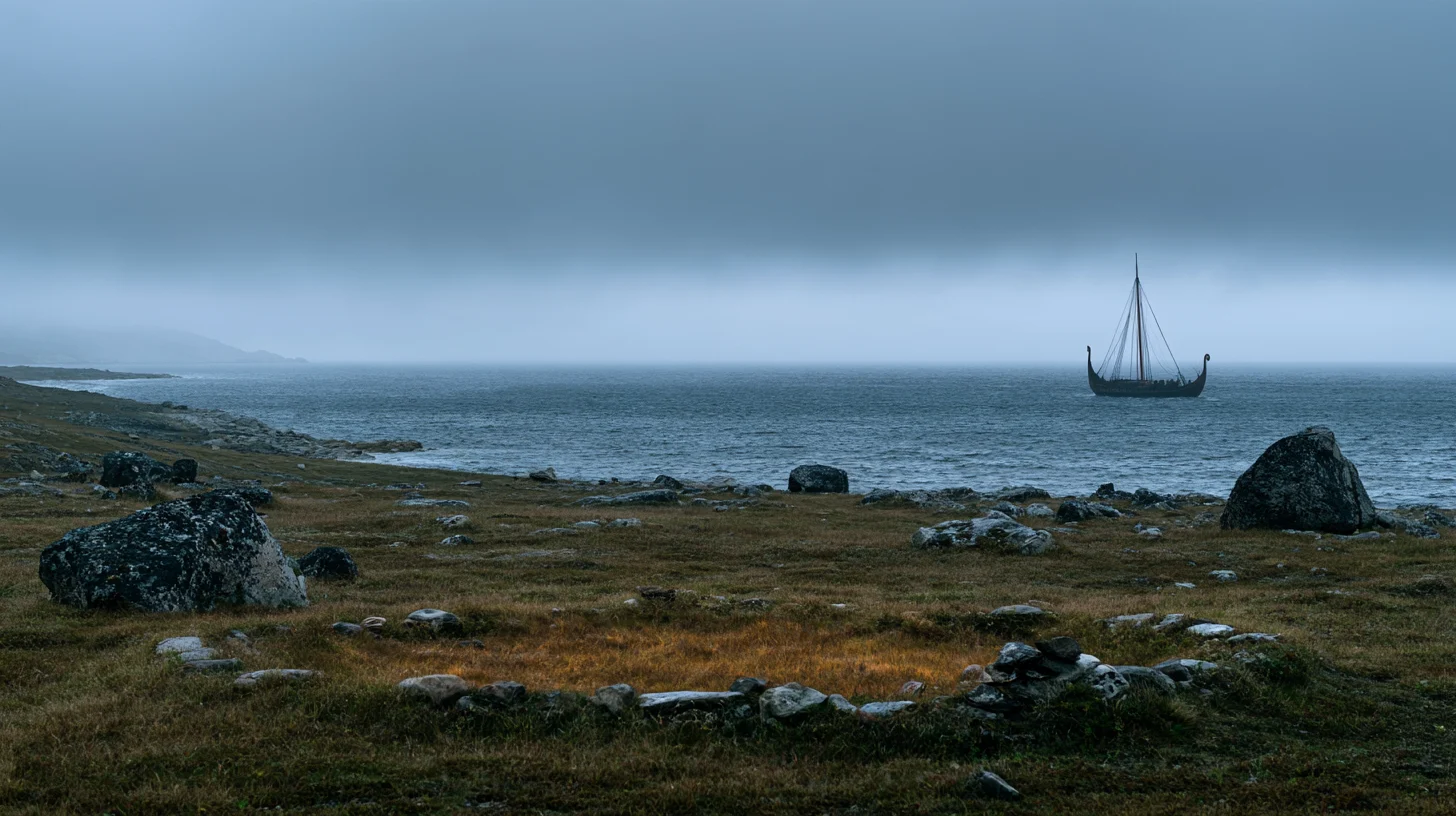
Eric the Red reached Greenland around 985 CE and named it to make it sound inviting. It became the version of the story that ended up in textbooks. But the Vikings were not first. They were not even close. By the time Norse ships appeared on Greenland’s horizon, the people who had first settled the ...
Bronze Age Chariots Weighed 30 kg and Worked as Taxis, Not Tanks
The chariot that carried Achilles into battle weighed about as much as a modern bicycle. That single fact changes everything Homer described. For centuries, readers of the Iliad pictured Bronze Age warfare as chariot-dominated — armored vehicles crashing through enemy infantry in mass charges, warriors fighting from moving platforms the way later generations fought from ...
![Validate my RSS feed [Valid RSS]](https://validator.w3.org/feed/images/valid-rss-rogers.png)