stat counters

Category: Texts & Traditions

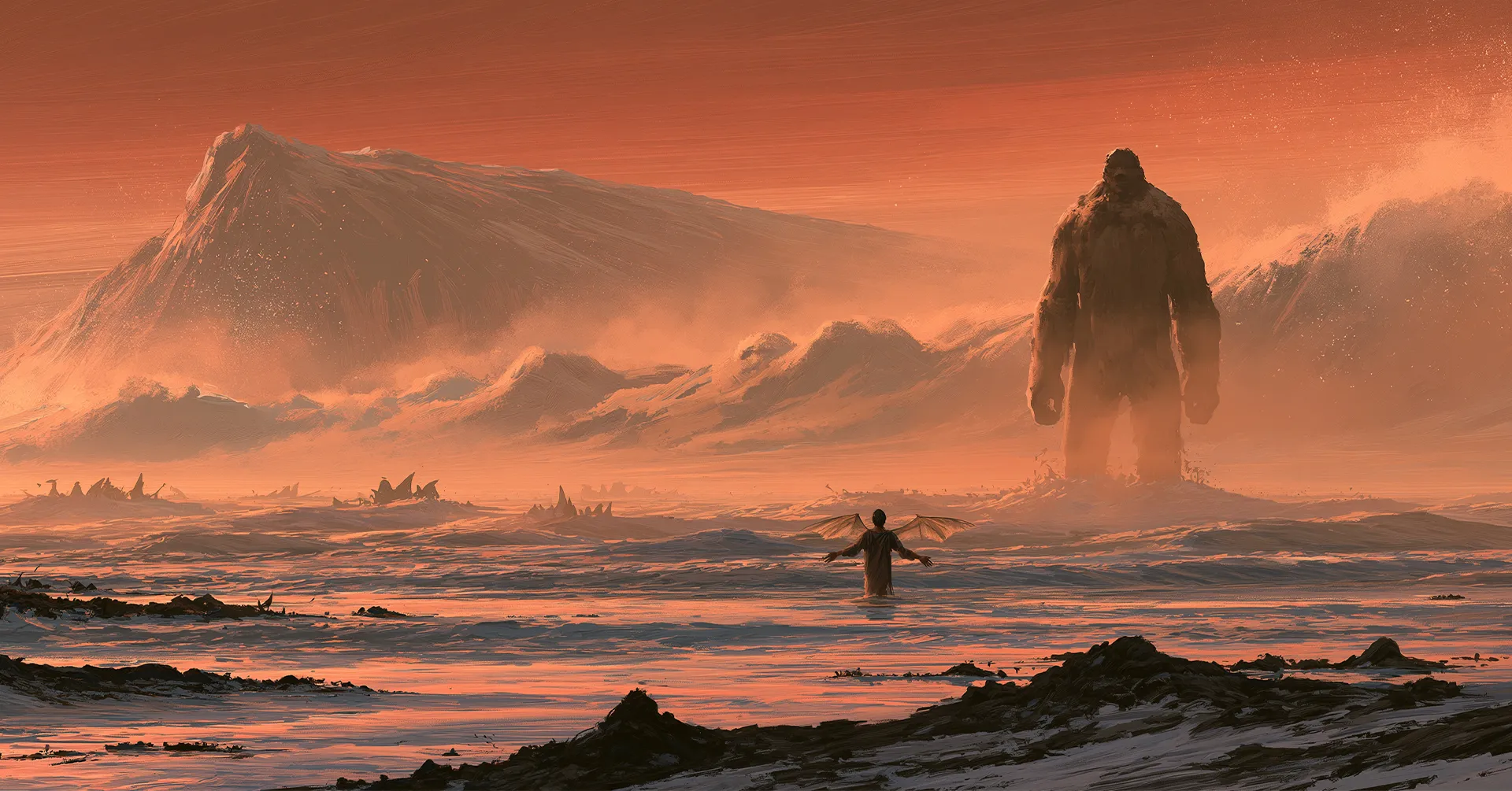
A giant stands calm in floodwater while a winged figure hovers before him, date unstated

Mahaway and the Flood: What the Book of Giants Preserves

A modern retelling puts Mahaway in rising floodwater, calm and unwilling to run, while his father, the Watcher Barakel, begs him to fly to the highest mountain. Mahaway answers that no mountain is beyond the flood, the two part with sorrow, and the archangel Raphael binds Barakel and the earth swallows him. The Qumran fragments ...

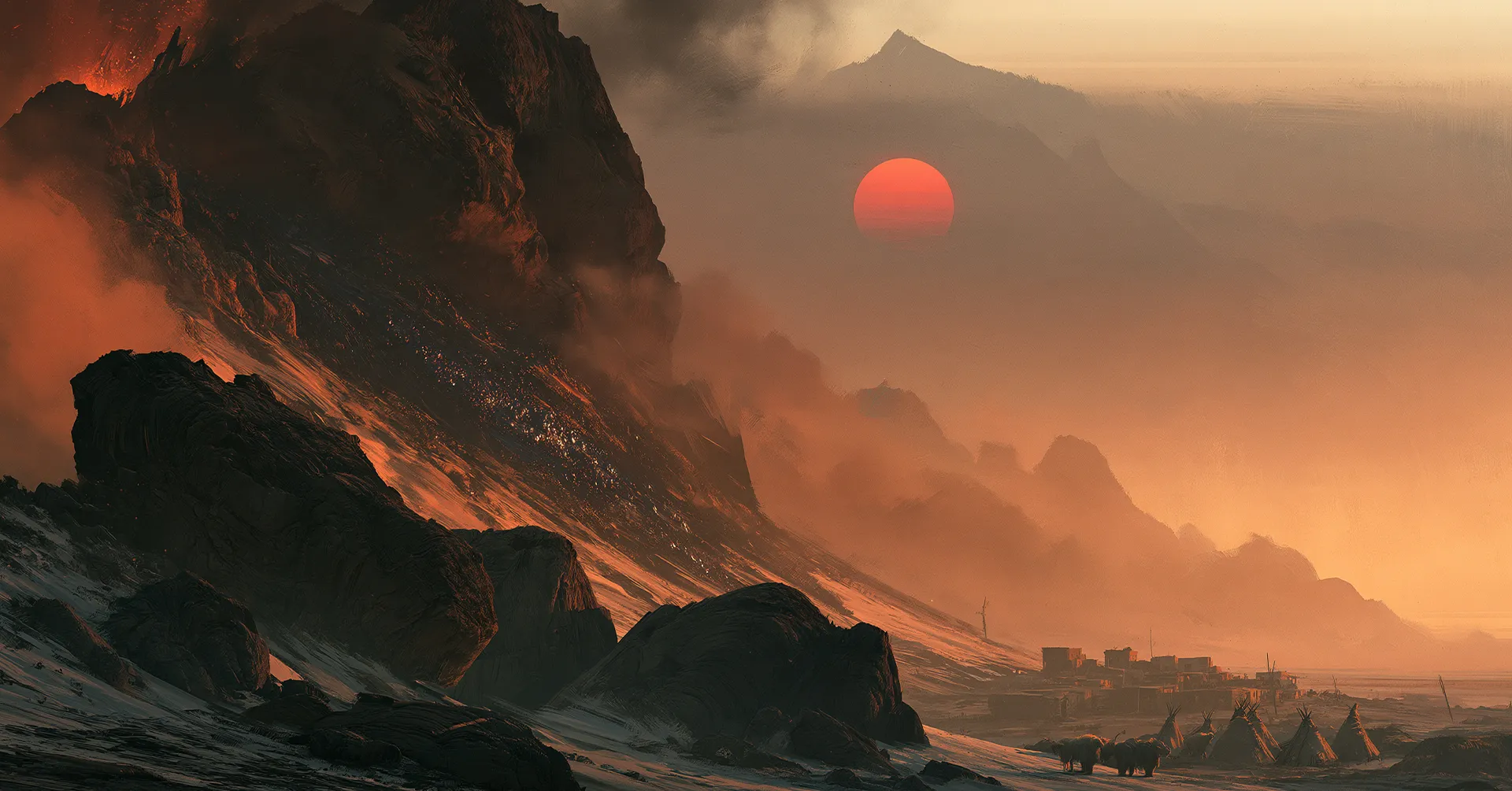
A collapsed rock face buries a seam of metal above a tiny village, date unstated

Did the Giants Fight Over Metal? What the Old Texts Say

In the Book of Giants and the texts around it, the giants end by killing one another, but the sources do not say the killing began over a metal. A modern retelling dates the first battle after Enoch’s warning and gives it a cause: a cache of strange metal, harder than iron and lighter than ...

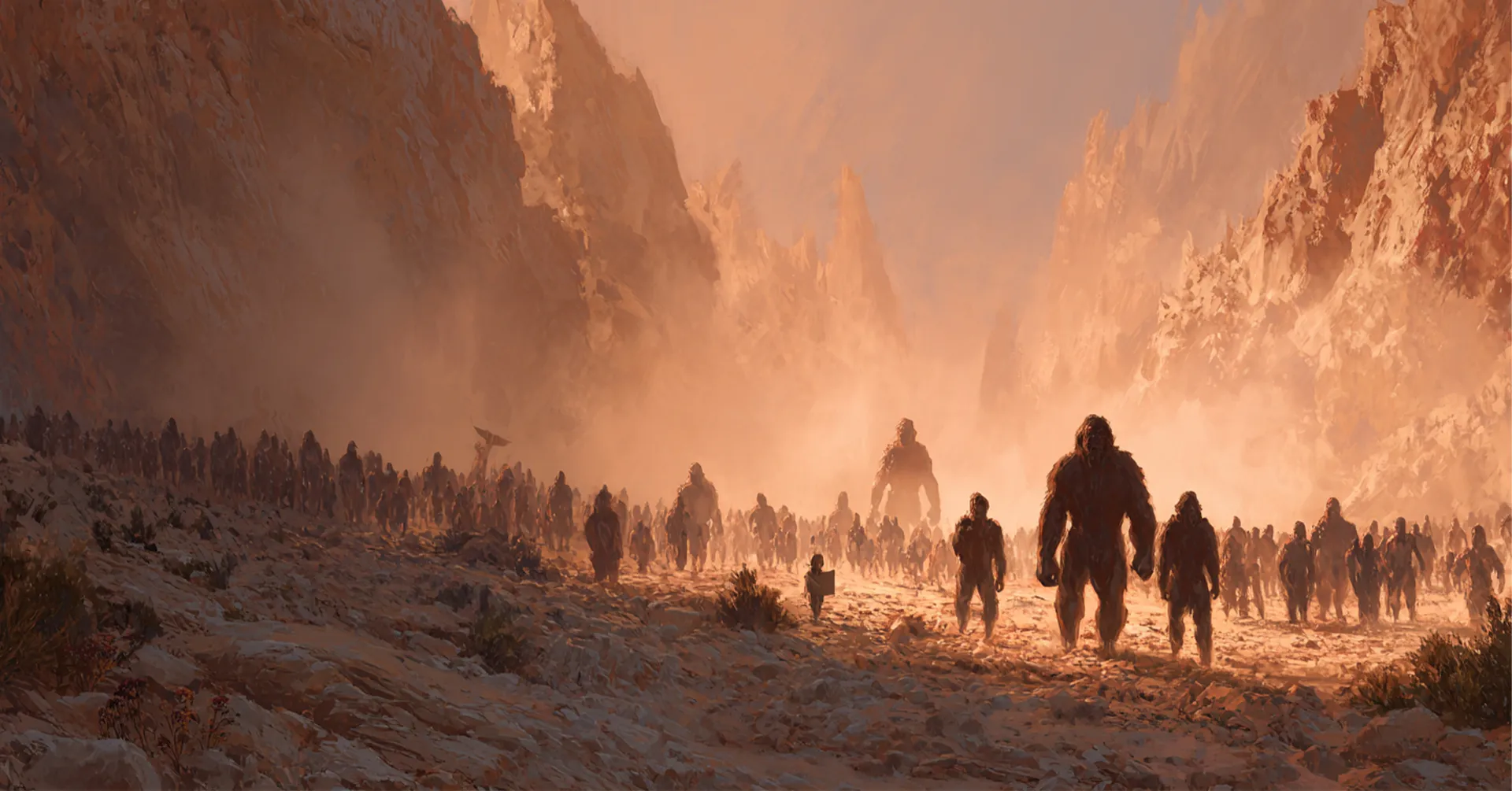
Colossal figures gather in a barren valley around a small winged messenger, date unstated

Dreams, Tablets and Defiance: The Giants’ Last Assembly

The Book of Giants survives only in fragments, yet its outline is clear enough to ask what the giants did when they learned that they were doomed. A modern retelling of that moment has them gather in a ruined valley, Hahyah snatch a scroll and read it aloud, and the assembly split into those who ...

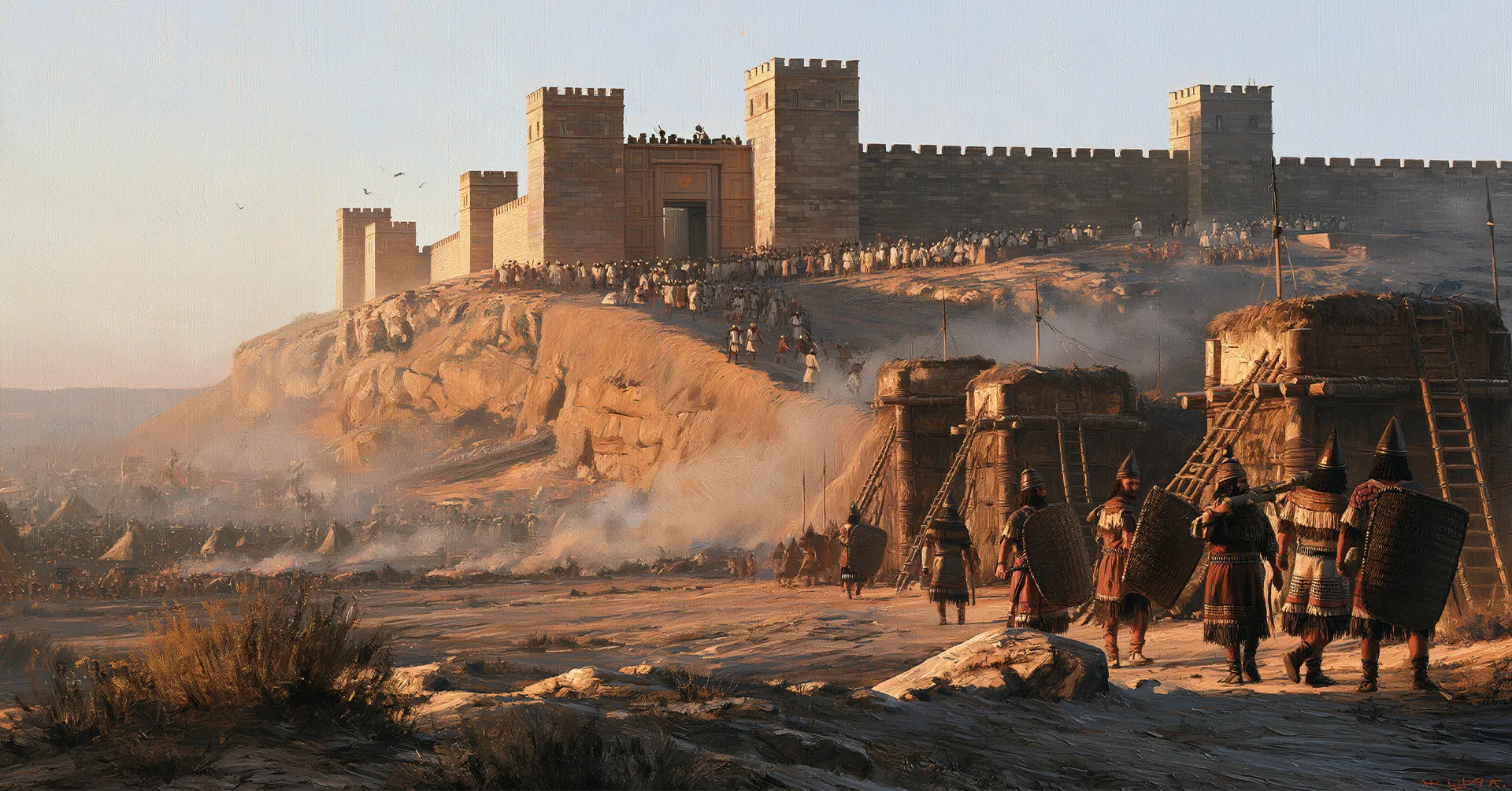
Babylonian soldiers raise a siege ramp against Jerusalem’s wall, 589 to 587 BCE

The Siege of Jerusalem, 589 to 587 BCE: What the Texts Say

The siege of Jerusalem by Nebuchadnezzar of Babylon began in the ninth year of King Zedekiah, and by the eleventh the city had no bread and its walls were broken. Scholars place the fall in 587 or 586 BCE. The Bible dates the breach to the ninth day of the fourth month and the burning ...

The gods pass judgment on Enkidu in the Epic of Gilgamesh, c. 1200 BCE

Why the Gods Chose Enkidu, Not Gilgamesh, to Die

Gilgamesh and Enkidu killed Humbaba together. They killed the Bull of Heaven together. Both acts were joint decisions, carried out by two men acting as one. Yet when the gods met to decide a punishment, only Enkidu was sentenced to die. By the time that verdict comes down, the two men have fought side by ...

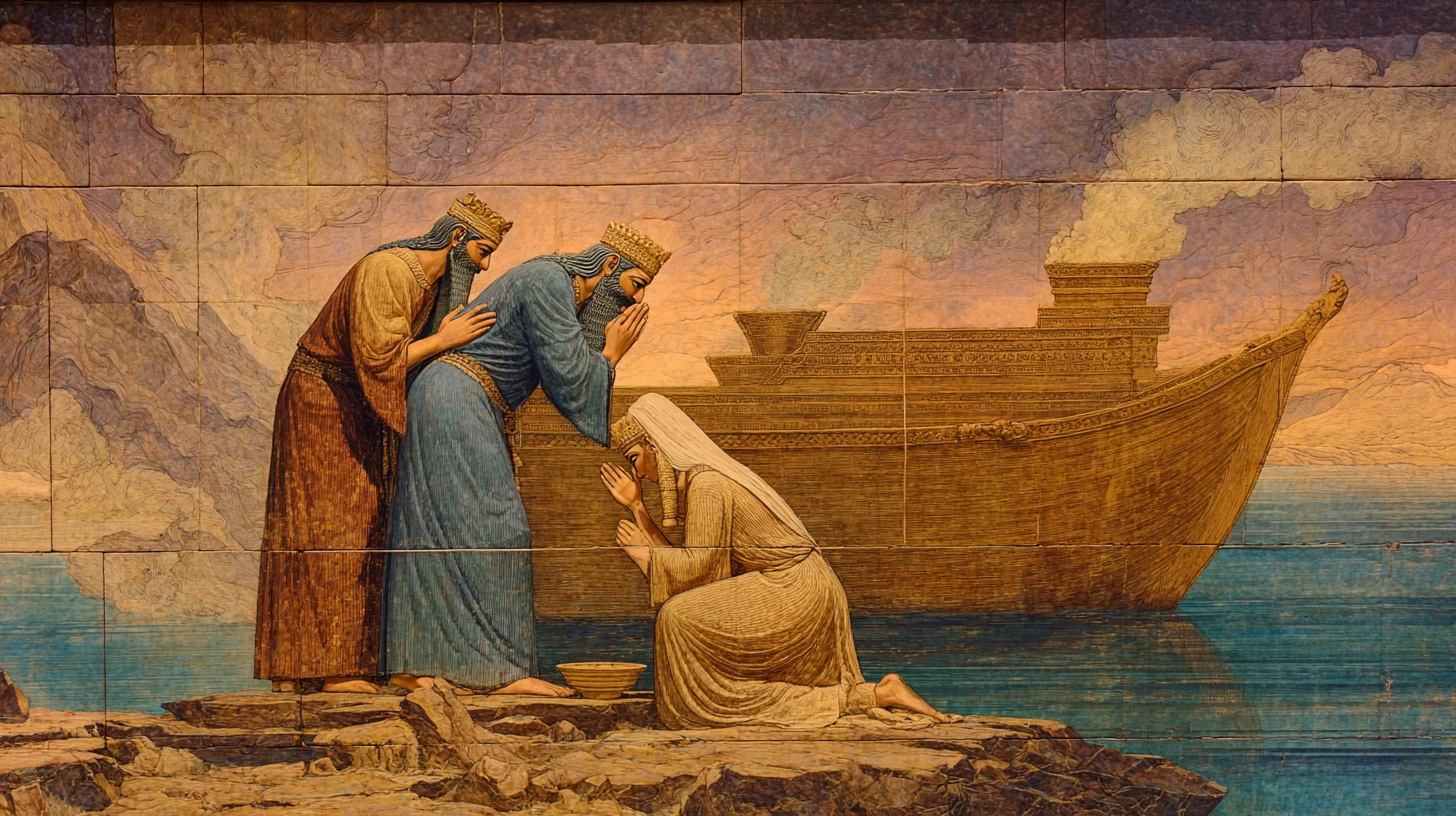
Enlil grants Utnapishtim and his wife eternal life after the great flood, c. 1200 BCE

Why Only Utnapishtim Became Immortal, Not Gilgamesh

Utnapishtim became the only human being in the Epic of Gilgamesh to receive eternal life, and the poem is direct about why: he never asked for it, and the circumstances that won it for him could never happen again. A King Who Never Sought Immortality By the time Gilgamesh reaches him, in the eleventh tablet ...

[Valid RSS]