stat counters

Category: Ancient Near East

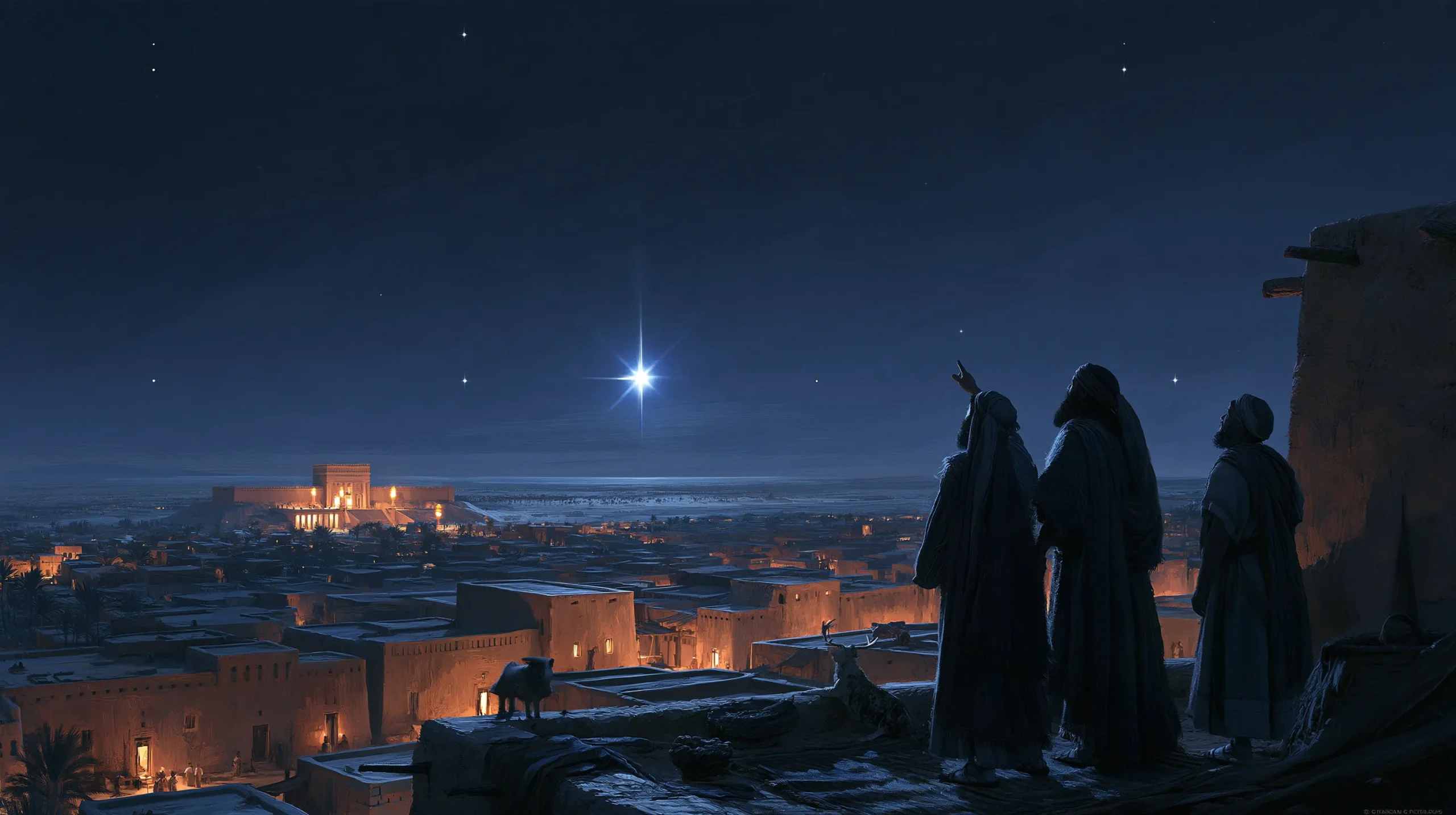
A large star rises over a mudbrick city as robed men point upward, date unstated

Nimrod’s Star: What Jasher Says About Abraham’s Birth

A retelling of the Book of Jasher says that on the night Abraham was born a star swallowed four others, that Nimrod’s wise men read it as the birth of his future conqueror, and that Nimrod demanded the child. The star story is in a real book, but the book is late, and the retelling ...

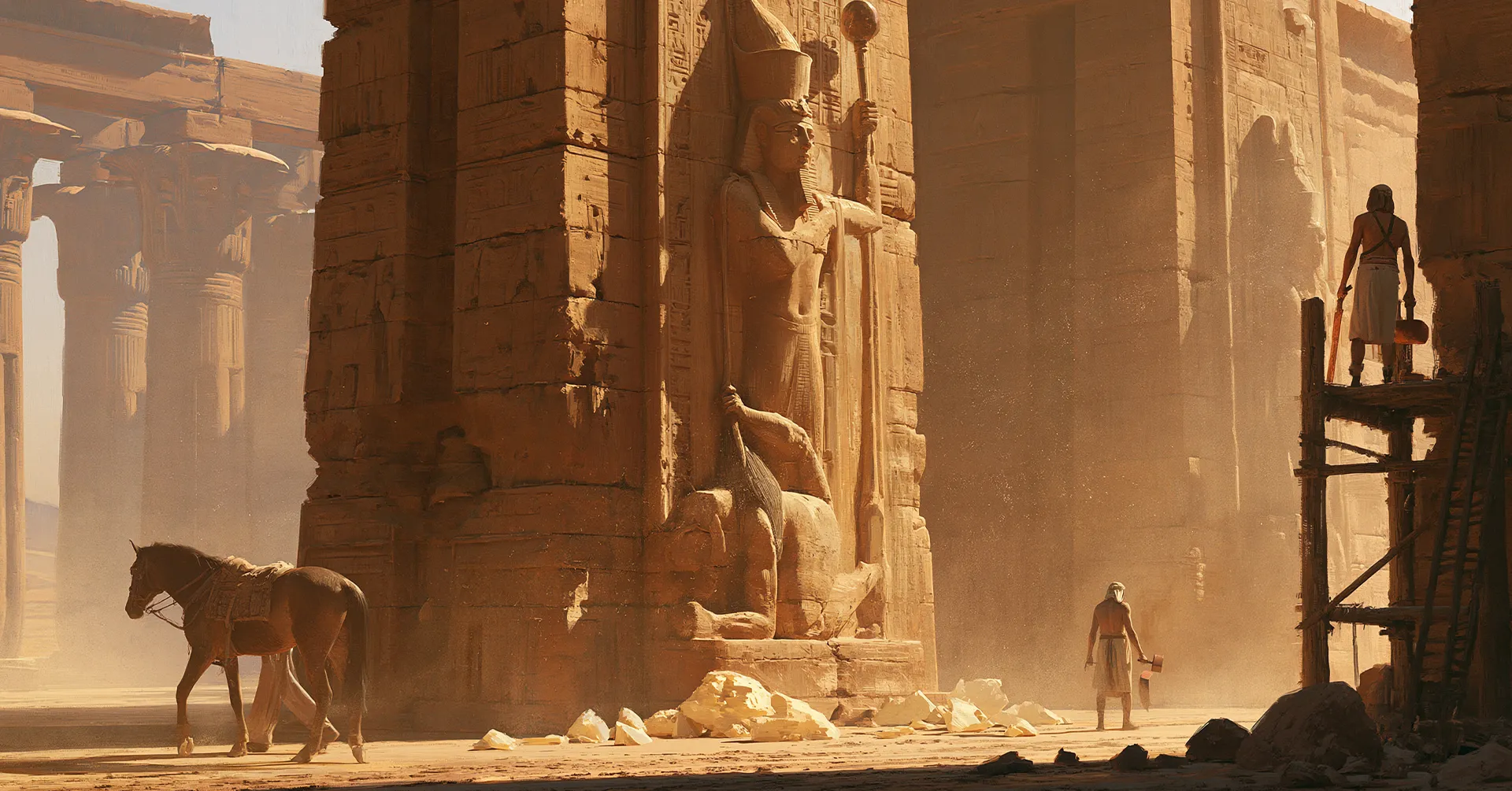
A sculptor works beside a carved column of a pharaoh gripping an enemy, 13th century BCE

The Smiting Pose of Egyptian Kings: A Duty, Not a Battle

A king with a raised arm gripping a bound enemy by the hair is one of the most repeated pictures in Egyptian art. At Qantir, in the Nile Delta of Egypt, the palace of Ramesses II was decorated with images of defeated enemies in the thirteenth century BCE. Several scholars read the smiting scene less ...

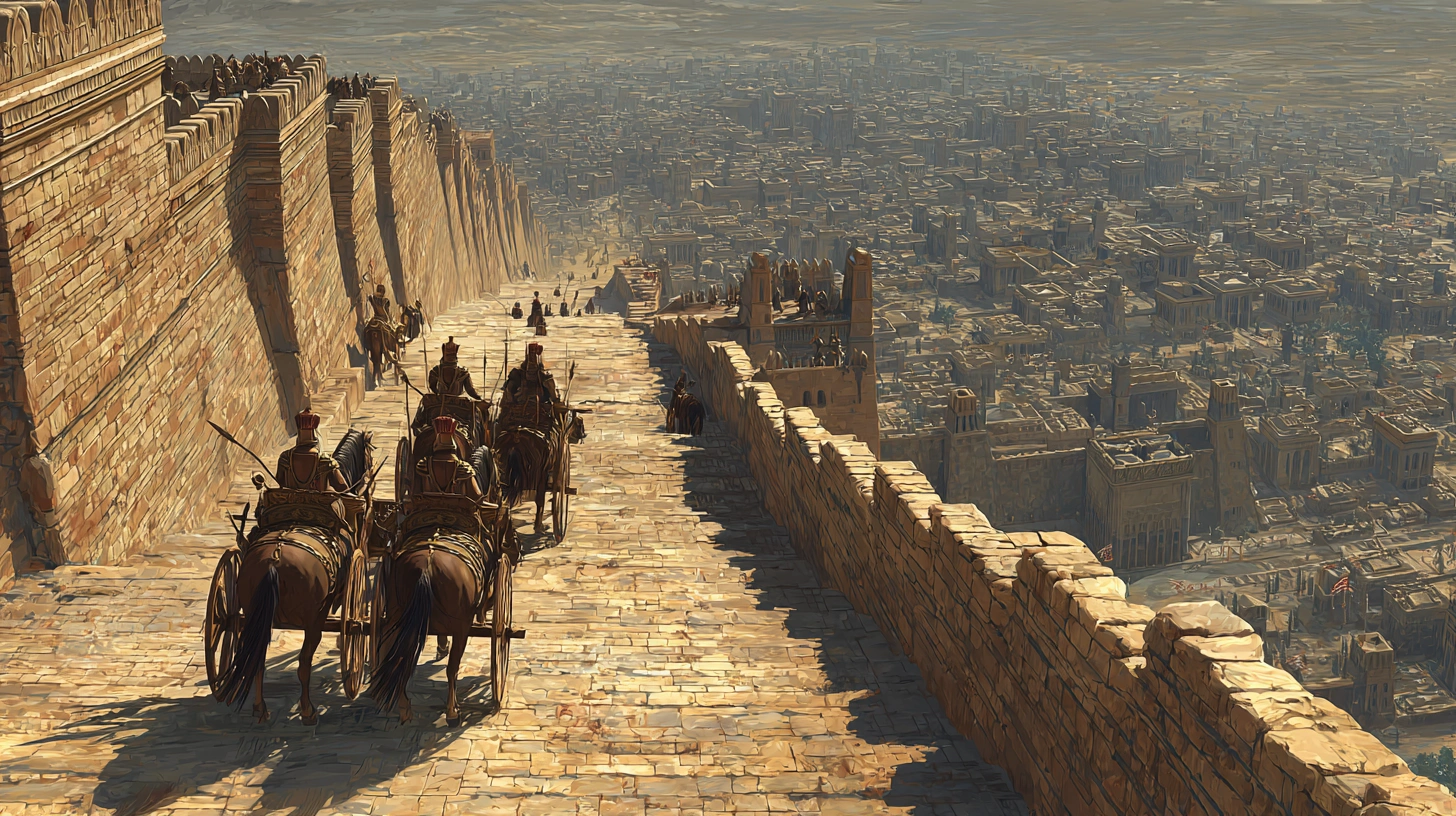
Three chariots drive abreast along the top of Nineveh's wall, c. 700 BCE

The Assyrian Wall Built Wide Enough for Three Chariots

Three chariots could drive abreast along the top of Nineveh’s defensive wall, a detail that speaks less to the wall’s height and more to what it was actually built to do. A wall meant only to look imposing does not need a top wide enough to carry vehicles. This one did, and the reason why ...

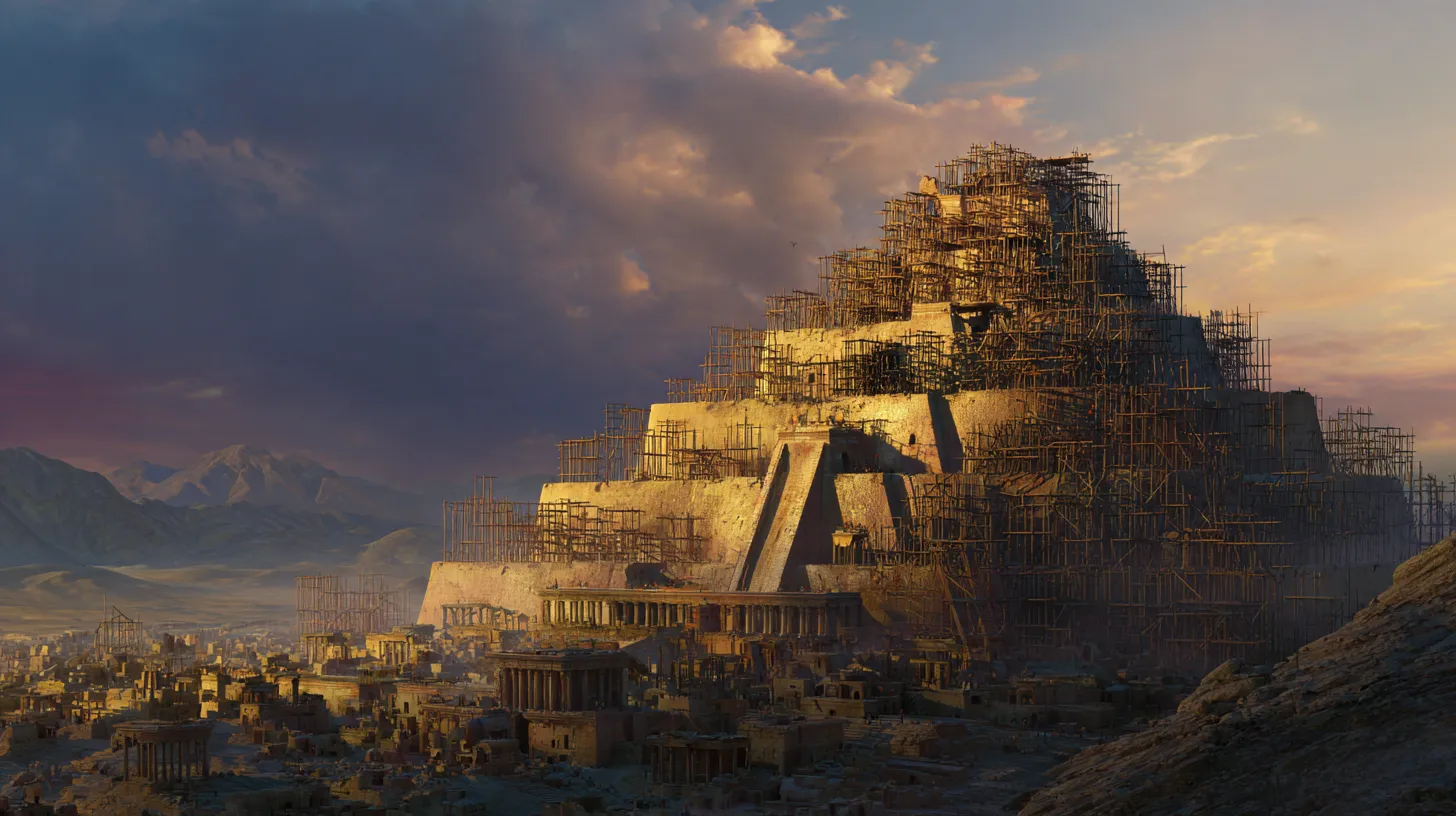
A single ziggurat shown simultaneously in multiple historical states — construction, destruction, and rebuilding — unified in one panoramic scene

The Tower of Babel Was Built, Destroyed, and Rebuilt for Centuries

The Tower of Babel was not built once. It was built, destroyed, and rebuilt so many times across so many centuries that its history reads less like a single event and more like a recurring compulsion. That is not a theological observation. It is the archaeological record. Scholars studying the Etemenanki — the great ziggurat ...

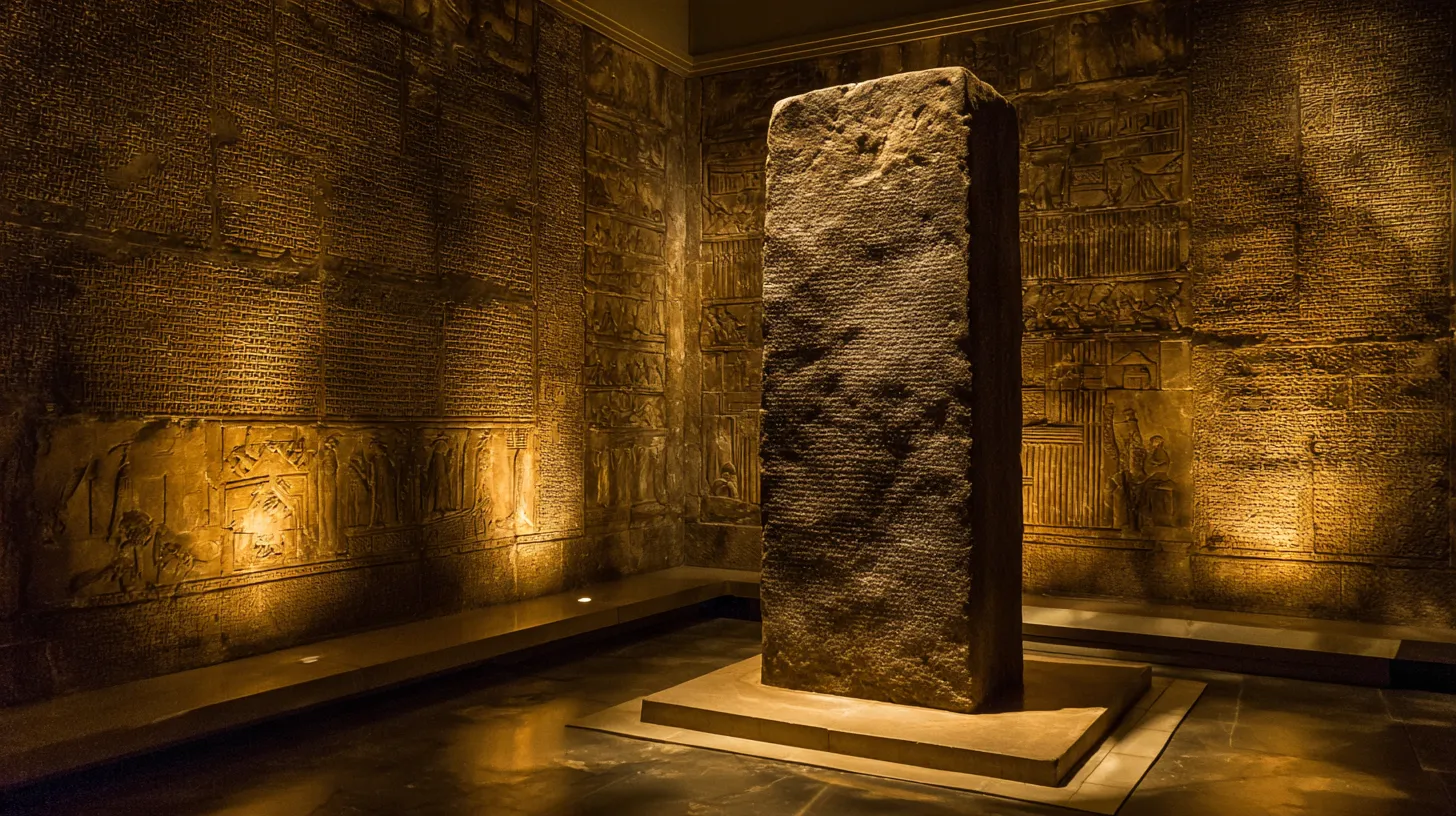
Carved Neo-Babylonian royal stele showing a seven-tiered ziggurat in relief surrounded by cuneiform inscription, lit by torchlight in a dim stone chamber

Nebuchadnezzar Wrote “I Raised Its Top to Heaven” in His Own Words

A Babylonian king had his own scribes carve the words “I raised its top to heaven” into stone — and those words survived 2,500 years to be read by an archaeologist in 1917. The inscription belongs to Nebuchadnezzar II, the most powerful ruler of the Neo-Babylonian Empire, and it describes the Etemenanki — the great ...

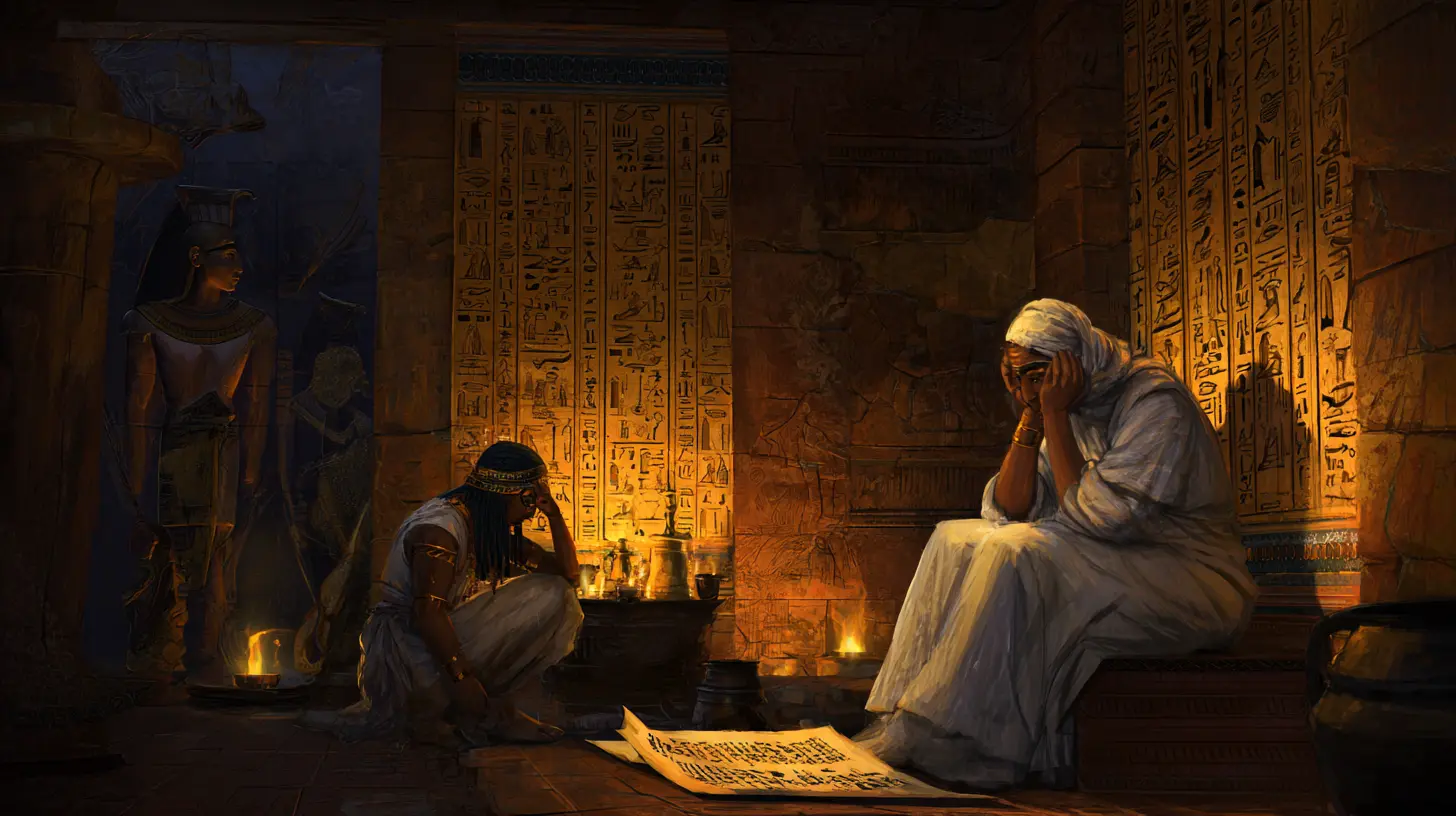
Ancient Egyptian professional dream interpreter consulting a hieroglyphic papyrus scroll with a client in a torch-lit stone chamber

Ancient Egypt’s Professional Dream Interpreters: The Scholars Who Read Your Nightmares

Someone woke up in ancient Egypt having dreamed about eating a donkey. This was now somebody else’s problem. That somebody was the san-huat — the dream interpreter — a specialist whose entire professional existence was built around decoding the nighttime visions of anxious clients and delivering verdicts that carried genuine religious weight. Not metaphorical weight. ...

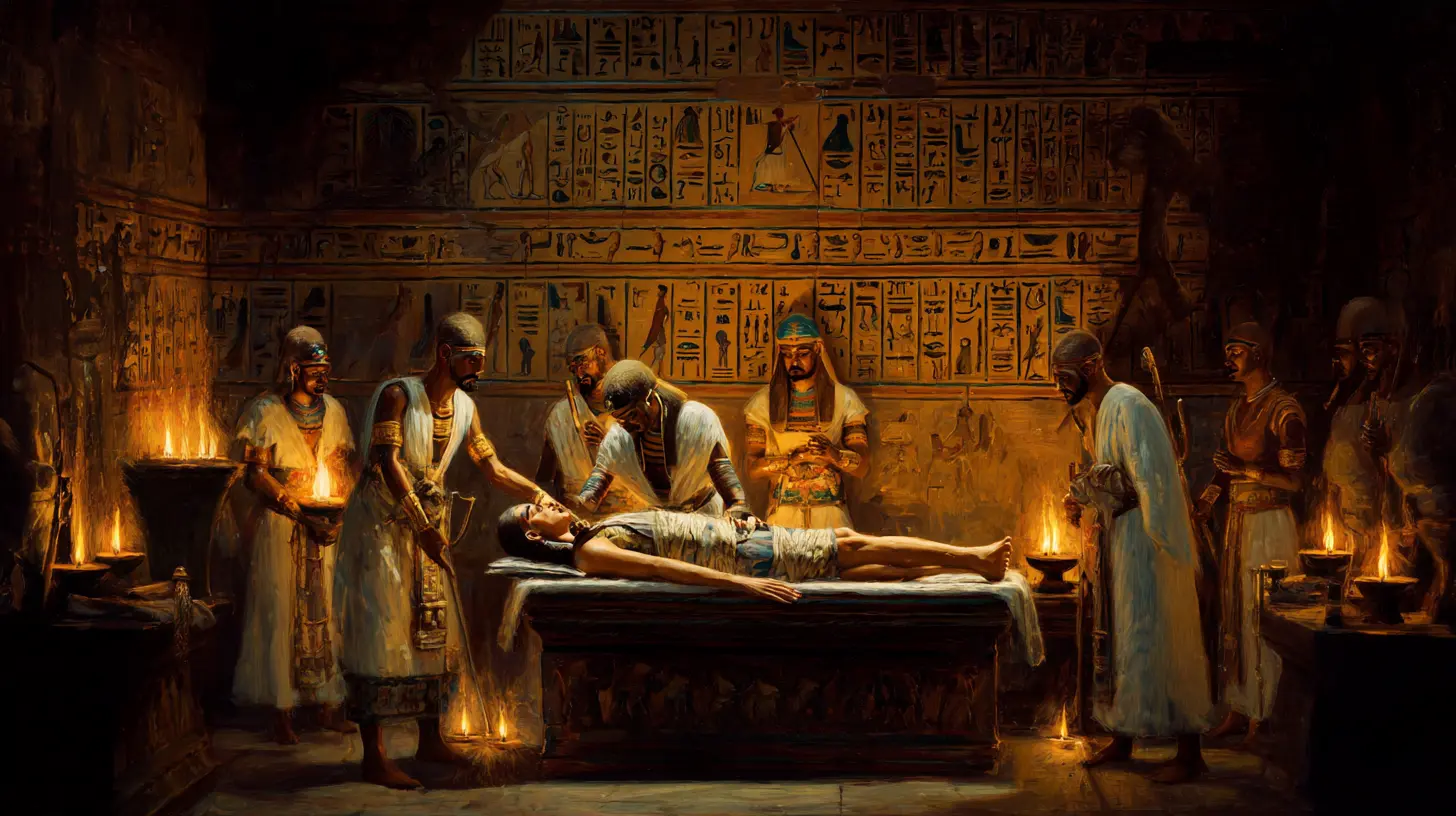
Ancient Egyptian embalmer "the cutter" performing a ceremonial mummification incision in a torch-lit chamber surrounded by priests

The Cutter: Ancient Egypt’s Most Cursed Job in the Mummification Process

Ancient Egypt had a word for almost every specialist involved in mummification. The wt priests who wrapped the bandages. The hery seshta who oversaw the sacred rites. The kher heb who read the funerary texts aloud throughout the process. And then there was the cutter. His job was simple, necessary, and apparently unforgivable: make the ...

[Valid RSS]