Eden’s Sanctuary Fell Because the Watcher Stayed Silent
Biblical History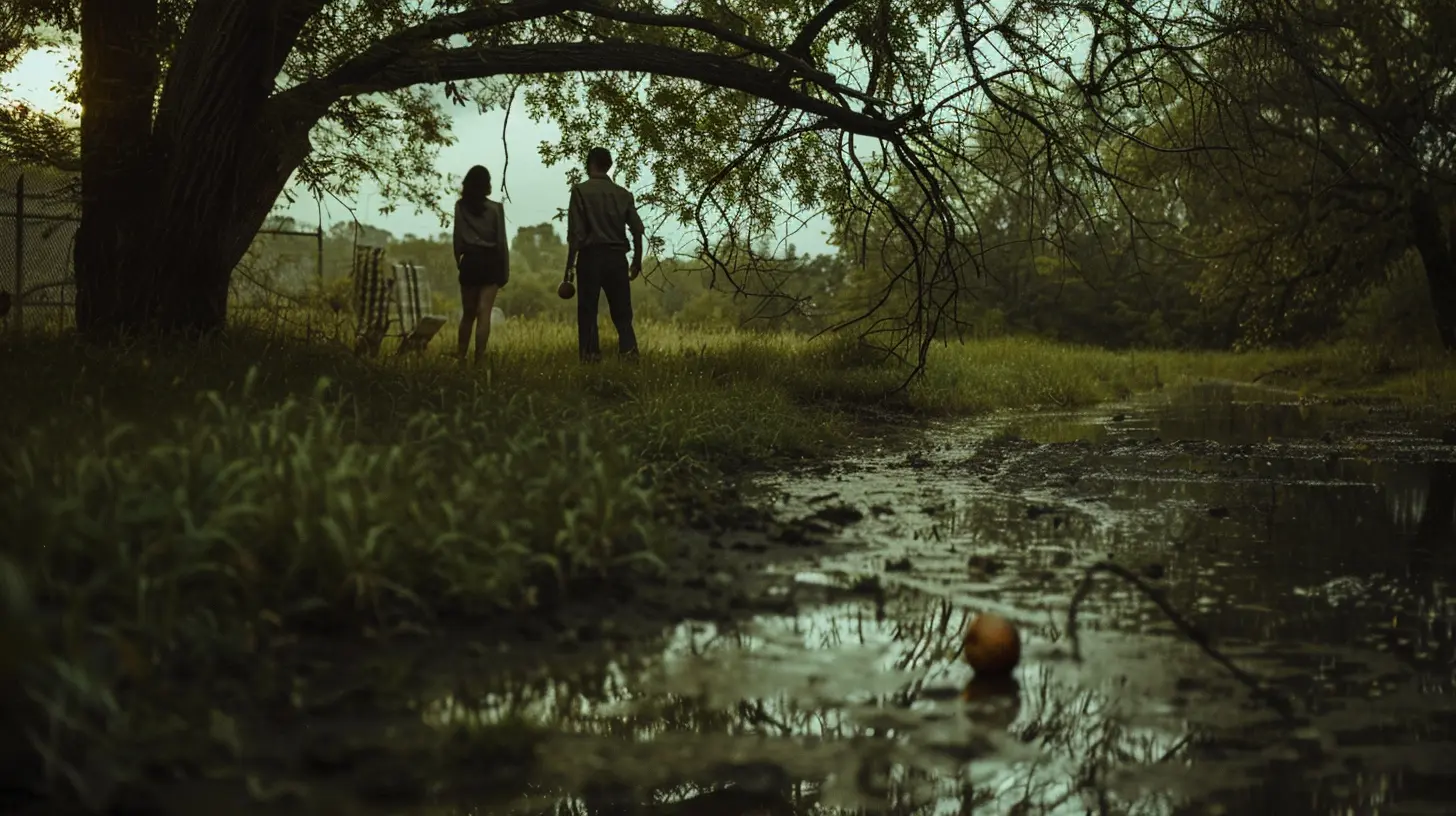
AI reconstruction, not a photograph.
Every retelling of the fall begins with the fruit. The Hebrew text does not. It begins with something already inside the walls — and with the man whose job was to keep that from happening.
By the time the sentence arrives about eating, the watch has already failed. The door is already off the hinge. The fruit is paperwork.
What Shamar Required at That Moment
Genesis 2:15 assigns two verbs to Adam inside the sanctuary: abad, to serve, and shamar, to guard. The second verb appears hundreds of times across the Torah whenever priests are given instructions about keeping impurity, unauthorized persons, or violation out of the sacred house. Shamar is not passive maintenance. It is active exclusion — the posted guard, the challenge at the threshold, the refusal to let the wrong thing stand unchallenged at the center.
Genesis 3 opens with a creature already inside the enclosure. The text calls it arum — shrewd, naked, outside the named order. God had named every creature and given Adam the work of completing that inventory. This one has no name assigned. Unnamed means it arrived without passing the watch. The guard was already elsewhere, or already silent, before the first word was spoken.
The first spoken distortion is almost courteous: Did God really say you shall not eat from any tree? A narrowing of the command, a softening of its edges, an invitation to clarify rather than to comply. The woman answers accurately. She knows the instruction. She names the tree. She adds, almost carefully, that they are not to touch it.
Then she looks at the man.
The Silence That Decides Everything
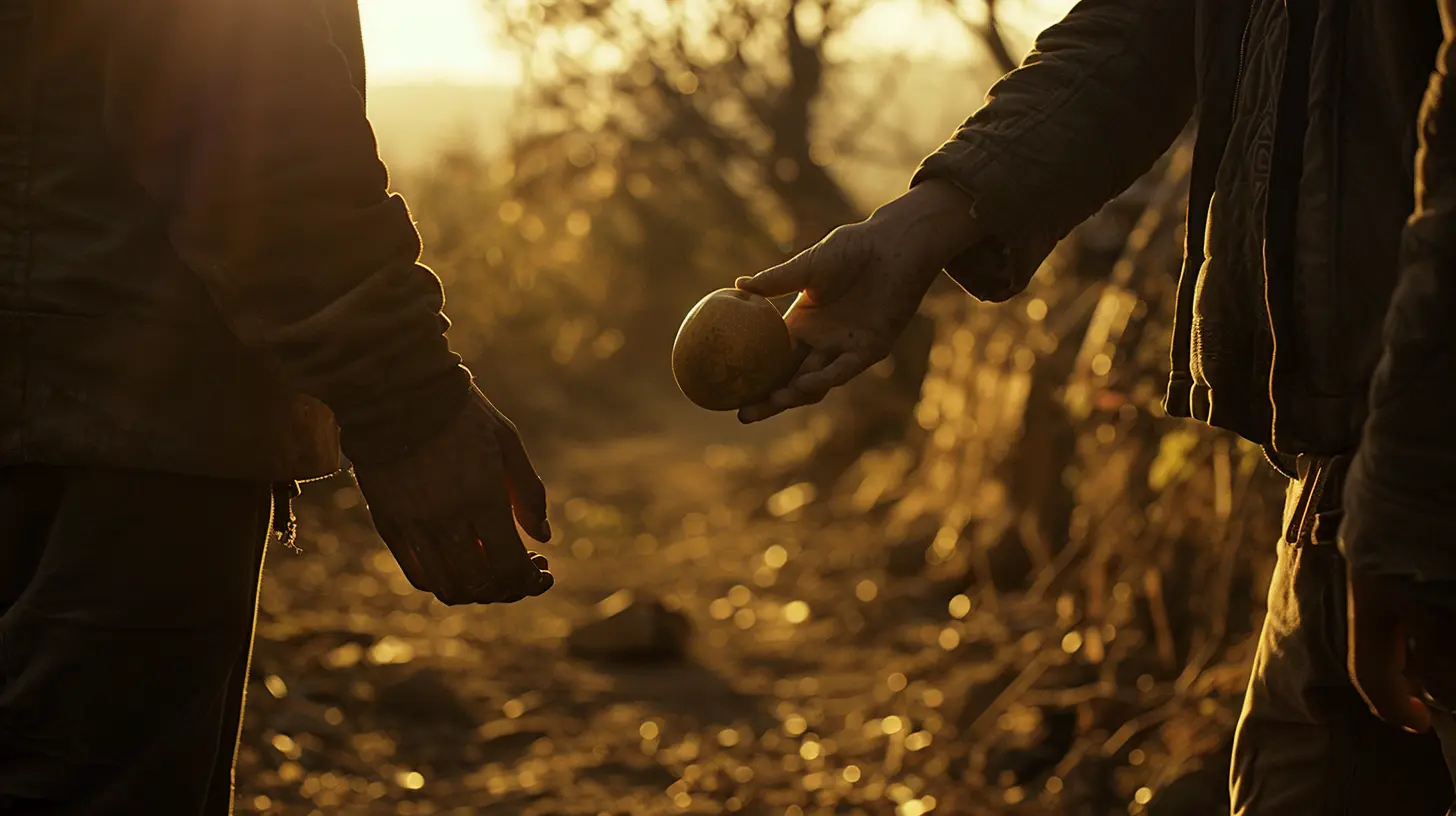
The narrative gives Adam no line here. He is present — Genesis 3:6 specifies he was with her — but the text moves directly from her assessment of the tree to the act of taking and eating. Three words in Hebrew bridge her looking at him to the fruit coming down. He does not answer. He does not challenge. He does not name what is standing at the center of the sanctuary with a sentence that contradicts the one he was given.
Shamar required exactly this motion: the challenge, the word spoken against the wrong thing, the door held. The verb does not permit three paces of silence while a wrong sentence stands uncorrected at the center of the house.
The second distortion follows immediately: You will not surely die. Direct negation of the command’s stated consequence. Not a question this time. A declaration. The fruit comes down. She eats. She turns. He takes it.
Somewhere at the spring, in the narrator’s logic, a presence withdraws. The light goes out.
The theological reading that places the entire weight of the fall on the eating locates the wound in the second act. The Hebrew sequence locates it earlier — in the posture of a man who is present, informed, and wordless while the sanctuary is addressed with a lie.
The East Gate and What It Kept Inside
The expulsion is east — the same direction every later sanctuary will orient its entrance, so that the worshipper approaches from the east, facing west, facing the place where the presence sat. The detail is not incidental. It maps the lost house onto everything built afterward.
The cherubim stationed at the gate are not the decorative infants of Renaissance painting. In the ancient Near East, composite guardian figures — winged, large, animal-featured — were the standard architectural appointment for the entrance to a palace or temple. They were built to make approach afraid. They communicated by their presence that what lay behind them was not approachable without authorization.
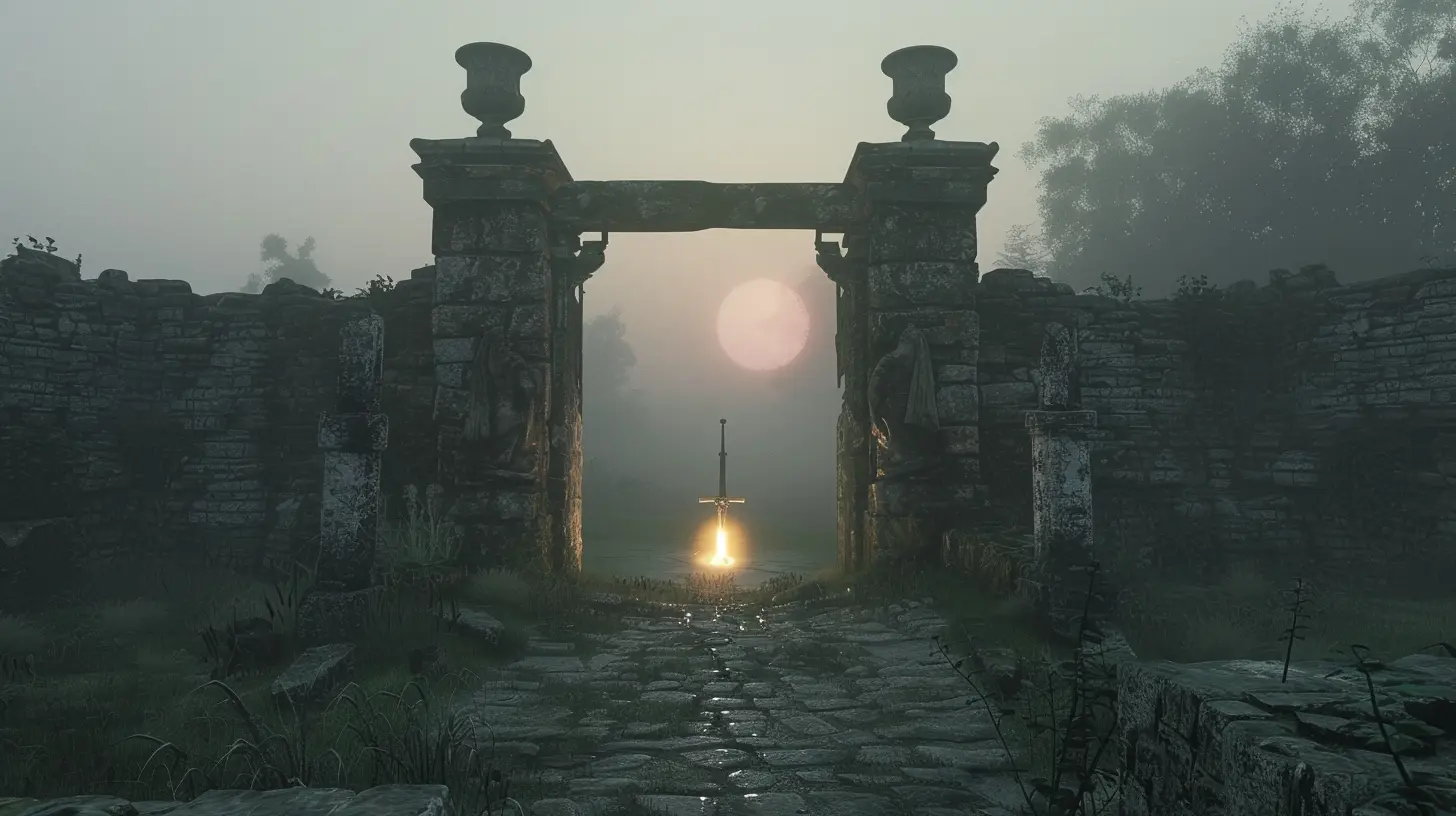
The flaming sword that turns every direction is described in Genesis 3:24 as guarding the way to the tree of life. The standard reading treats this as punishment — permanent exclusion. The narrator gives it a different logic. Unlimited access to the tree of life after the breach, in the text’s own terms, would have sealed the ruin in place: a shame that could not end, a broken condition that could not resolve, a permanent freezing of the fall’s consequences without any path through them. The fire is written as a lock, not a display.
The Order of the Wounds
Every later sacred building in the biblical tradition addresses what failed here. The tabernacle has a guard rotation. The Levites camp around it by tribe, each tribe assigned its quadrant, each man his watch. Numbers 1:53 specifies that the Levites are to camp around the tabernacle so that wrath does not fall on the congregation — the precise language of a reinstated guard against what enters without authorization.
The high priest wears bells at the hem of his robe when he enters the inner sanctuary, so that the sound of his movement can be heard and he does not die. The veil keeps the interior from unauthorized eyes. The cherubim are embroidered on it. The cherubim are cast in gold and face each other across the ark. The cherubim are carved on Solomon’s walls. Every sacred house is built around the memory of the figures that now guard the east gate of the first one.
The curtain in the Jerusalem temple tears at the moment the narrative declares the watch satisfied — from top to bottom, meaning it was opened from the inside. The direction matters. A curtain torn from the top downward was not pushed open by a crowd. It was opened by the same presence that withdrew at the spring.
The order of events in Eden is: silence, then fruit, then the gate that will not open. Every building that follows is the same office attempted again — guards posted, thresholds marked, unauthorized entry prohibited — because the first officer failed the smallest motion.
He was with her. He had the verb. He did not use it.
The sanctuary fell before the fruit came down.

