Israelites Feared Freedom More Than Egyptian Slavery
Biblical History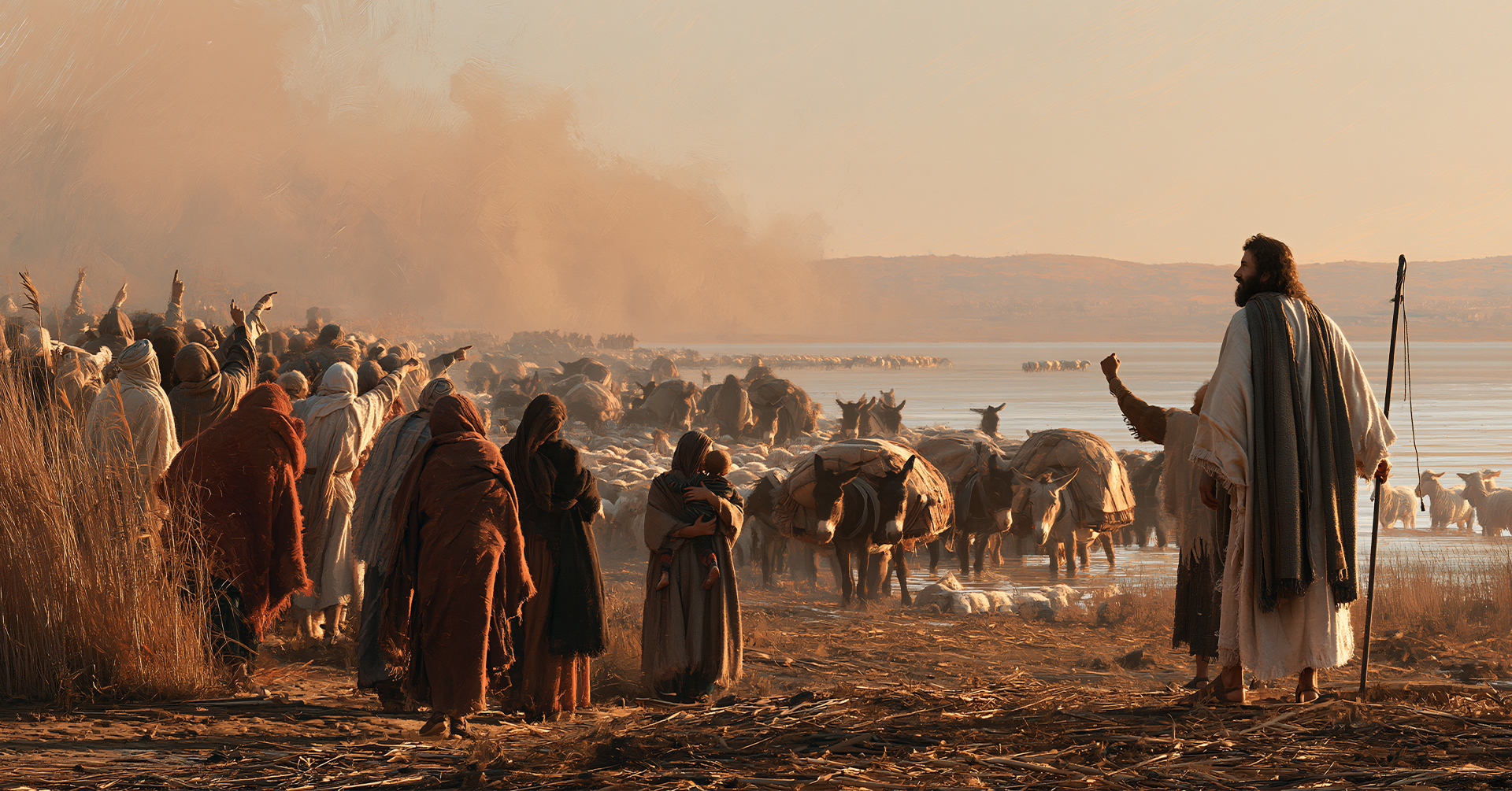
AI reconstruction, not a photograph.
Freedom frightened the Israelites more than slavery did. Exodus 14:11-12 records exactly what the people said when the Egyptian chariots finally came into view on the horizon. Trapped between a massive body of water and an advancing military force, they turned on Moses and asked if there were no graves in Egypt that he had brought them out to die in the wilderness. They added, with bitter sarcasm, that it would have been vastly better to serve the Egyptians than to die exposed in the sand.
The scene unfolds in a terrified camp beside the sea on Egypt’s eastern frontier. The biblical account gives no exact date for the event, but it perfectly captures a timeless psychological crisis. The Israelites had just left generations of deeply entrenched slavery behind them. Faced with immediate lethal danger, they turned on the man who had orchestrated their liberation, openly wishing themselves back in chains. Because the biblical text focuses so tightly on this sudden panic, the narrative offers a stark, realistic look at the trauma of displaced people, completely refusing to romanticize their escape.
The Psychological Truth of Bondage
The ancient script reads this reaction as a profound psychological truth. Slavery was a terrible existence, but it was deeply known and familiar. The oppressed people understood the rules of their oppression, the daily routine of their forced labor, and the predictable nature of their hardship. Freedom, by contrast, was entirely uncertain and immediately threatening. It offered no guaranteed food, no shelter, and no defense against the apex military predators of the Late Bronze Age.
At the very first sign of severe danger, the populace wanted to return to the predictable suffering they understood. The ancient text supports this grim reality because the complaint is recorded in plain, unfiltered words. The people do not offer a noble speech about dying on their feet as free men; they offer a frantic, aggressive plea to return to their knees. The explanation for this cowardice is entirely embedded in the script’s reading of human nature.

A Recurring Wish to Return
This was not a single, isolated outburst triggered only by the sight of Egyptian armor. The same psychological pattern returns repeatedly long after the miraculous crossing of the sea. The wish to return to bondage runs through the biblical story as a persistent, deeply ingrained theme.
Exodus 16 and 17 record further bitter complaints about hunger and thirst in the desolate terrain, with the people repeatedly romanticizing the food they used to eat in captivity. Later in the chronology, Numbers 14 records the desperation peaking when the people actually propose choosing a new leader to march them all the way back to Egypt. The crisis at the sea was merely the first expression of a generational trauma that would take decades to break. The physical extraction from Egypt happened in a matter of days, but the psychological extraction proved nearly impossible for the generation that had lived under the whip.

The Unspoken Appeal of Predictability
The darker point lies in what the text leaves entirely unsaid about Egypt itself during these frantic moments. The Israelites’ complaint remembers a life that was at least predictable. It was a life where food and water were provided by the state, even if the cost was backbreaking, humiliating labor.
The account gives no sweeping descriptions of the daily hardship they had endured in Egypt in these later chapters, save for the brief mentions in the earliest parts of Exodus. By the time they hit the shoreline, the memory of the taskmaster has already been eclipsed by the sheer terror of the unknown.
What can be said plainly about this moment is historically and literarily narrow: a rescued people genuinely wished themselves back into brutal bondage. Rather than painting the founders of the nation as fearless heroes, the foundational text records their trauma, cowardice, and desperation without a hint of softening.

