Pharaoh’s Lethal Reversal Cost Egypt Its Best Chariots
Home page
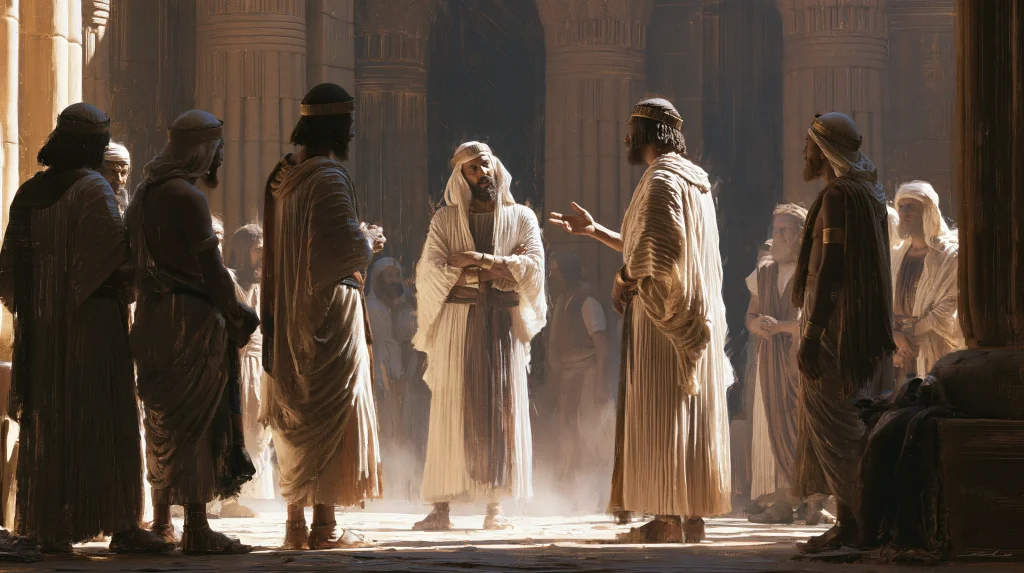
AI reconstruction, not a photograph.
A king who had just released an entire captive population changed his mind within a matter of days. Exodus 14:5-8 records that when Pharaoh was told the Israelites had officially fled, he and his royal officials experienced a sudden, catastrophic reversal. Looking at their empty construction sites and untended fields, they asked themselves what they had done in letting Israel go from serving them. The king immediately readied his own chariot, mobilized six hundred chosen chariots, and deployed all the other chariots of Egypt, placing seasoned officers on every one of them.
The scene plays out in the political centers of Egypt during the biblical account of the Exodus. The text provides no exact date and notably omits the royal name of the monarch, focusing entirely on the fatal action itself. This mobilized force is massive for its time, and in this account, the king leads the high-speed pursuit himself, desperate to reclaim his lost labor force before they vanish completely into the wilderness.
The Human and Divine Explanations
The biblical text frames Pharaoh’s drastic decision in two distinct ways. Humanly, the king deeply regrets losing his massive labor force. The shock of the final plagues and the resulting national grief wore off rapidly, replaced by the cold economic reality of a crippled national infrastructure. An ancient state could not function without the massive, uncompensated labor required to build monuments, clear canals, and harvest grain.
Theologically, Exodus states that the Lord hardened Pharaoh’s heart specifically so that he would pursue the Israelites. Readers, scholars, and theologians have long argued over how these two statements fit together—debating whether the king was acting on sheer economic panic, divine manipulation, or a complex mixture of both. The ancient passage leaves the tension completely unresolved, presenting both the economic and the divine motivations simultaneously.
A Settled Matter Turns Into a Trap
This lethal chase turns what looked like a settled diplomatic release into a massive military trap. The Israelites had been officially permitted to leave Egypt only after the final, devastating plague struck the nation. However, the narrative clearly shows that this royal permission lasted only as long as the immediate shock of the grief.
Once the dead were buried and the Egyptian administration soberly assessed the economic damage of a vanished workforce, the true priorities of the empire reasserted themselves. The script notes plainly that Pharaoh realized his workforce was gone, which perfectly matches the human, economic explanation for the pursuit. He did not dispatch heavy infantry or slow supply trains; he sent the fastest, most expensive, and most lethal mobile weapons platforms of the Late Bronze Age to rapidly run down civilians on foot.

The Cost of the Reversal
The text does not deeply explore the theological hardening of his heart beyond stating it repeatedly as a narrative fact. The practical, earthly focus remains firmly on the rapid mobilization of the six hundred chosen chariots—the absolute elite guard of the Egyptian military machine. Sending this force was a massive commitment of state resources.
What can be said plainly about this brief textual account is entirely narrow. A king suddenly reversed himself, deployed his absolute best chariots to reclaim his escaping slaves, and subsequently met the lethal returning waters of the sea. The Bible attributes the ultimate cause of this deadly, historically unrecorded decision to both the flawed, panicking man and to the grand design of God.

