Genesis 6:4 Never Says How Long the Nephilim Lasted
Biblical History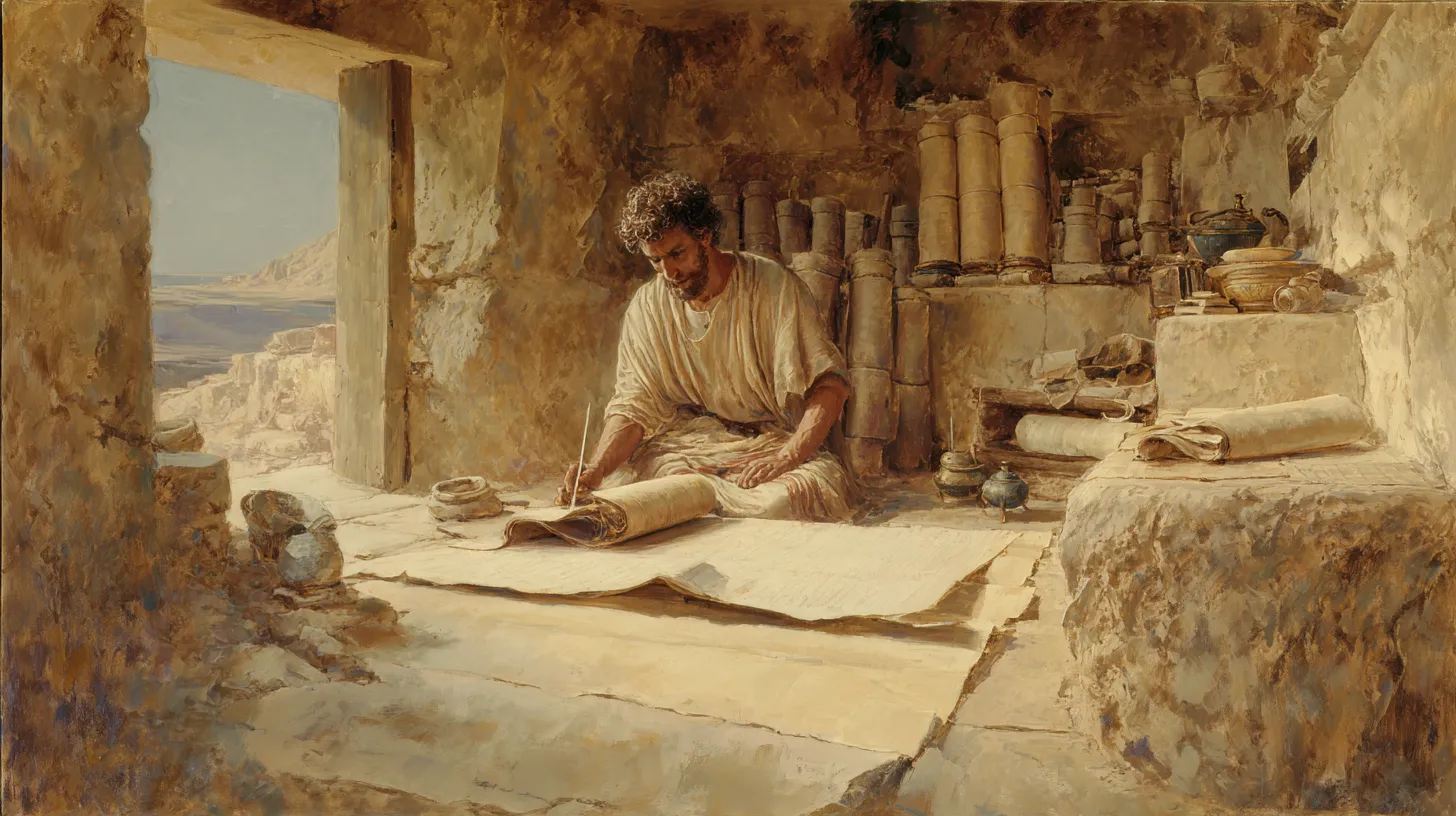
AI reconstruction, not a photograph.
Genesis 6:4 says the Nephilim were on the earth “in those days,” and also afterward, and it never says how long that afterward lasted. The one phrase has carried a great deal of weight. Ancient readers took the verse as a sign of fallen angels and giants, of the line of Seth, or of human kings, and the text supports none of those readings on its own.
What the Verse Says
In the King James Version the verse says there were “giants in the earth in those days” and “also after that,” when the sons of God had children with the daughters of men. Several translations, including the American Standard Version and the World English Bible, leave the Hebrew word nephilim untranslated, and the New King James Version renders the second phrase “and also afterward.” The verse sits between the sons of God taking wives (6:2), God limiting human days to 120 years (6:3) and the statement that human wickedness was great (6:5). The offspring are called “mighty men which were of old, men of renown,” and the text gives no date, no place and no names.
Even who is meant is open. The International Standard Bible Encyclopedia, in an entry by James Orr, admits that it is not easy to be certain how to read this “strange passage.” It suggests that the Nephilim are “not necessarily to be identified with the children” of the unions, and that they seem to be placed on the earth before the unions took place.
A Word That May Mean “Fallen”
Many etymologies derive nephilim from a Hebrew root meaning “to fall.” The Brown-Driver-Briggs lexicon (1908) calls the proposed etymologies “all very precarious,” and the scholar Ronald Hendel reads the word as “ones who have fallen.” Girdlestone, writing in 1871, instead read it as a causative form, “those that cause others to fall down.” Ancient translators did not agree. Symmachus took it as “the violent ones,” and Aquila as the fallen, or those falling on their enemies.
The Septuagint, the Greek translation of the Hebrew scriptures, rendered it gigantes, “giants,” and the International Standard Bible Encyclopedia judges that choice “warranted.” In Genesis 6:2 one early Greek manuscript, Alexandrinus, reads “angels of God” where others read “sons of God.” Augustine, writing in the early fifth century, noted that not all copies of the Septuagint carry the “angels” wording.
The Watchers on Mount Hermon
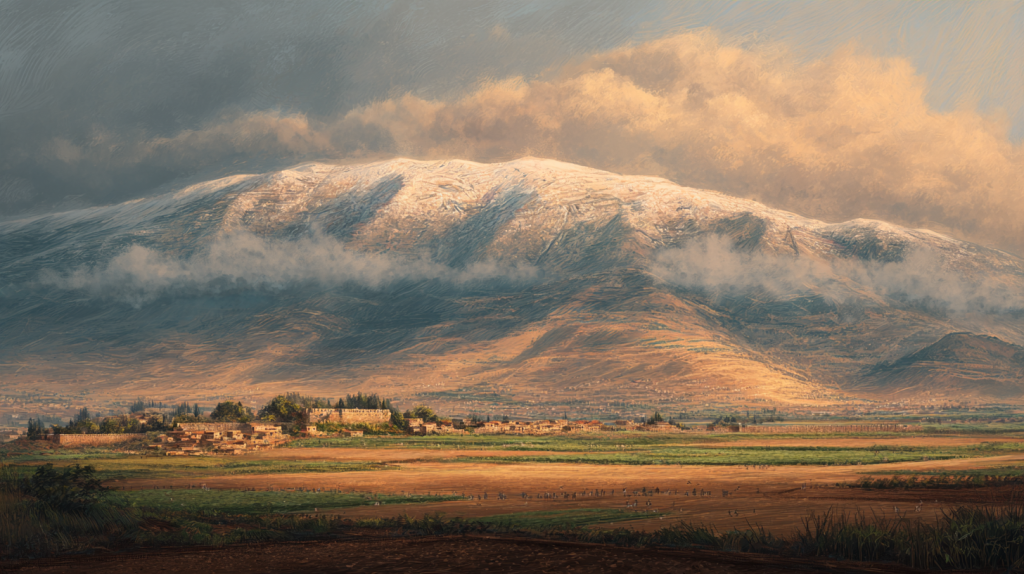
Jewish writers of the Second Temple period filled the gap with a story. In 1 Enoch, part of a body of Enochic writing attested from the third century BC onward, two hundred angels called Watchers descend “in the days of Jared” on the summit of Mount Hermon, bind themselves by an oath under their leader Semjaza, take human wives and father giants (1 Enoch 6-7, in R. H. Charles’s translation). Aramaic fragments of the story among the Dead Sea Scrolls are dated by scholars to between about 160 and 60 BC.
The Book of Jubilees speaks of three races of giants, the Naphidim, Naphil and Eljo, and presents clearing them away as one purpose of the Flood (Jubilees 7:21-25). Josephus, in the first century AD, writes that many of God’s angels joined with women and that their sons did deeds like those of the giants of Greek tradition (Antiquities 1.3.1). Philo of Alexandria also read the sons of God as angels (Questions and Answers on Genesis 1.92).
The New Testament touches the same tradition without naming Genesis. Jude 6 says angels who “kept not their first estate” are held “in everlasting chains under darkness unto the judgment of the great day,” and 2 Peter 2:4 speaks of angels delivered into “chains of darkness.” Jude quotes 1 Enoch outright (Jude 14-15). Neither Jude 6 nor 2 Peter 2:4, however, mentions Genesis 6 or the Nephilim.
In 1 Enoch and Jubilees the angels and their children also help explain the Flood. Genesis does not. It gives the reason as human wickedness (6:5).
Readers Who Said No
Other ancient readers rejected the angels. Rachel Adelman, writing on TheTorah.com, reports that Rabbi Shimon bar Yochai called the figures “sons of nobles” and cursed “anyone who calls them angels,” and that the story was suppressed in classic rabbinic literature, only to resurface in the late narrative midrash Pirqe de-Rabbi Eliezer. Targum Onkelos, the Samaritan Targum and the Greek translator Symmachus read “sons of the rulers,” and Targum Neofiti reads “sons of the judges.”
Some Christian writers took a third course, the Sethite reading, in which the sons of God are the line of Seth and the daughters of men the line of Cain. Wikipedia’s article on the Nephilim lists Julius Africanus, Ephrem the Syrian, John Chrysostom, Augustine and John Calvin among those who held it.
Augustine makes the case in City of God (15.23). He denies that the writings attributed to Enoch have canonical authority, reads “also after that” as showing giants both before and after the unions, and says that Scripture “unambiguously declares that they were men.”
The Scouts’ Report
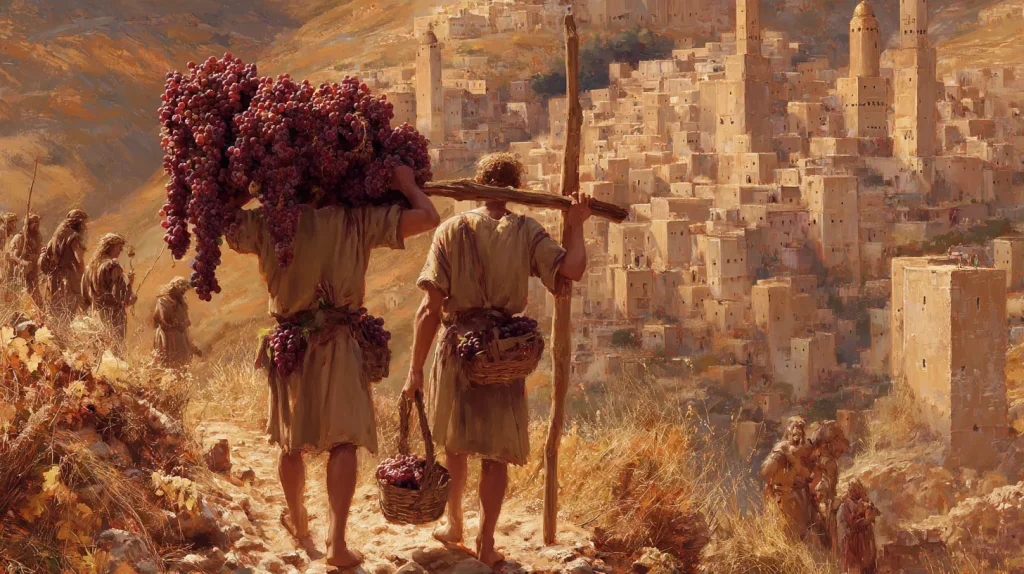
The word Nephilim appears in only one other passage of the Bible. In Numbers 13, twelve scouts sent into Canaan reach Hebron, where Ahiman, Sheshai and Talmai, “the children of Anak,” live (13:22). Ten of them bring back what the narrator calls “an evil report” (13:32): the people are “men of a great stature,” and “we were in our own sight as grasshoppers.” They also say they saw the Nephilim there, rendered “giants” in the King James Version, and call the sons of Anak descendants of them (13:33).
Some scholars read the scouts’ claim as exaggeration or fear. The text itself labels their report evil, and it never confirms that the Anakites were Nephilim. Wikipedia’s article on the Nephilim notes that the Anakites appear in Egypt’s Middle Kingdom Execration texts as political enemies in Canaan. If the “afterward” of Genesis 6:4 points to this scene, it points to a frightened report, not a statement by the narrator.
Elsewhere the Bible describes tall peoples under other names. Deuteronomy calls the Emim “a people great, and many, and tall, as the Anakims,” and says they too “were accounted giants” (2:10-11). It says Og king of Bashan “remained of the remnant of giants,” and gives his bedstead as nine cubits long (3:11). The King James Version uses the one English word “giants” for the Nephilim and for these peoples, which can make separate Hebrew terms look like a single tradition. Wikipedia’s article on the Rephaim reads the Og passage as naming him among the Rephaim, not the Nephilim.
What the Verse Leaves Blank
Genesis 6:4 marks the Nephilim as present in those days, adds a single phrase and moves on to judgment. It gives no period for their presence, does not say whether they survived the Flood and names none of them. Ancient readers answered those questions in different ways because the text did not. The Watchers story, the Sethite reading and the rulers reading are each an interpretation, and each has early witnesses. What happened in the afterward is left blank.

