Nebuchadnezzar Wrote “I Raised Its Top to Heaven” in His Own Words
Ancient Near East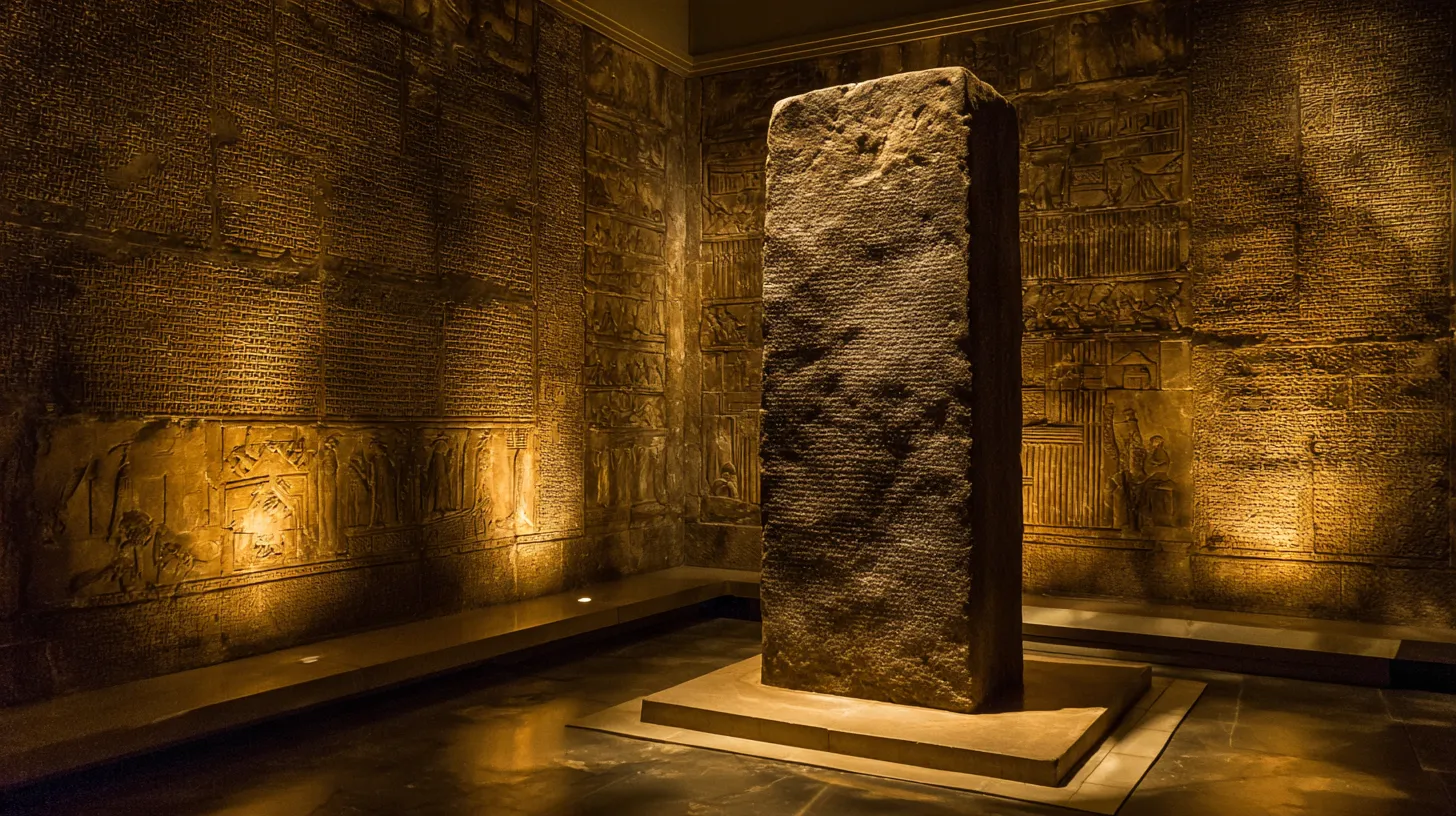
AI reconstruction, not a photograph.
A Babylonian king had his own scribes carve the words “I raised its top to heaven” into stone — and those words survived 2,500 years to be read by an archaeologist in 1917.
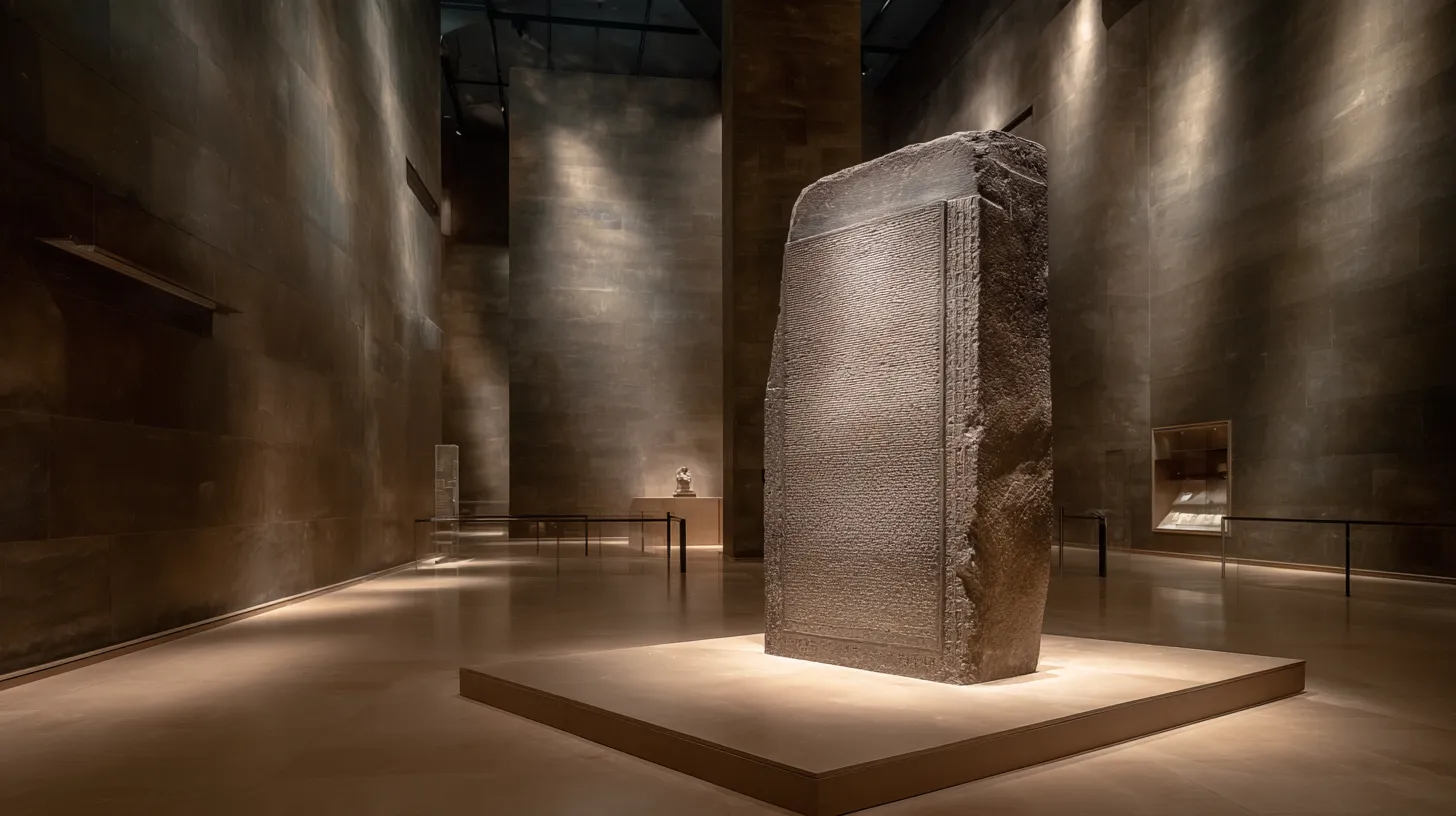
The inscription belongs to Nebuchadnezzar II, the most powerful ruler of the Neo-Babylonian Empire, and it describes the Etemenanki — the great ziggurat of Babylon that most scholars identify as the structure behind the Genesis account of the Tower of Babel. It was discovered during Robert Koldewey’s excavations of the Babylon site, and it is not a fragment or a partial reconstruction. It is a complete, first-person royal boast inscribed in cuneiform on a formal stele.
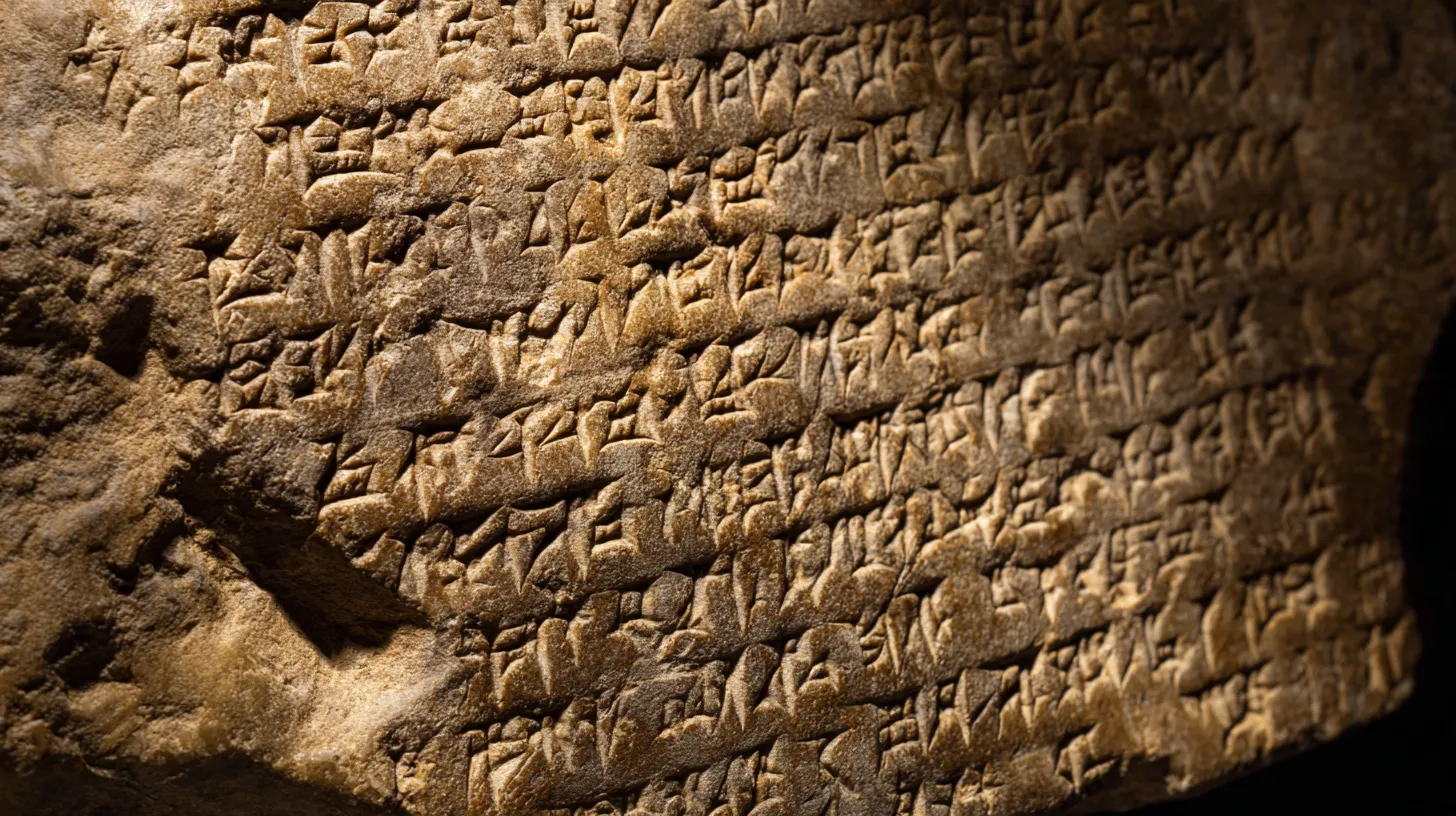
The full relevant passage reads: “Etemenanki, ziggurat of Babylon, I made it, the wonder of the people of the world, I raised its top to heaven, made doors for the gates, and I covered it with bitumen and bricks.”
Why the Phrasing Matters
Genesis 11:4 records the builders of Babel declaring their intention to build “a tower with its top in the heavens” to “make a name for ourselves.” For centuries, scholars debated whether this language was literal architectural description, theological symbolism, or ancient hyperbole attached to a building whose real dimensions were being exaggerated for narrative effect.
Nebuchadnezzar’s inscription removes that ambiguity in a specific and striking way. The phrase “I raised its top to heaven” is not the Genesis author’s editorial commentary on what the builders wanted. It is the exact formulation that real Mesopotamian kings used, in their own formal royal records, to describe what they believed they had achieved.
This was the standard vocabulary of Babylonian royal architecture — a recognized idiom for a structure of supreme height and divine significance. The Genesis author did not invent exaggerated language to mock human pride. The Genesis author recorded the precise kind of claim that the kings who built and rebuilt this structure were making about it in their own inscriptions.
The textual convergence runs in both directions. Scripture condemns the ambition embedded in this language. The king’s own stone record preserves exactly that ambition, in his own words, for anyone who cared to read it.
What Nebuchadnezzar Was Actually Claiming
The Etemenanki — whose name translates from Sumerian as “House of the Foundation of Heaven and Earth” — was the dominant architectural feature of ancient Babylon. Its dimensions, recorded in a separate cuneiform document known as the Esagila Tablet, describe a structure with a base of approximately 91.5 meters on each side and a height intended to match that base — a seven-tiered ziggurat rising roughly 90 meters above the Babylonian plain.
Nebuchadnezzar’s boast was not purely rhetorical. His building campaigns at Babylon are among the best-doc
umented construction programs in the ancient world. Inscriptions from his reign record the use of baked brick throughout the structure — specifically matching the Genesis account’s detail that the builders “had brick for stone.” His description of covering the structure with bitumen and brick matches both the physical archaeology of the site and the Genesis account of builders using “bitumen for mortar.”
The inscription was not discovered in isolation. Koldewey’s excavations produced a broader corpus of Babylonian royal building texts, and the Etemenanki appears across multiple documents spanning several reigns. Nebuchadnezzar was adding his name to a record that already stretched back centuries — and he knew it.
The Gap Between Claim and Reality
One detail in Nebuchadnezzar’s inscription deserves scrutiny: the claim that he completed the tower. The archaeological evidence tells a more complicated story. When Alexander the Great arrived in Babylon in 323 BCE, ancient sources record that the Etemenanki was in a state of significant disrepair — partly collapsed, its upper stages deteriorated. Alexander reportedly ordered 10,000 workers to begin clearing the rubble as preparation for a full restoration.
He died before the work could begin.
If Nebuchadnezzar had truly raised the tower’s top to heaven — completed it to its full intended height — it is difficult to explain why the structure required such extensive work less than three centuries later. The most likely interpretation is that Nebuchadnezzar completed a major phase of reconstruction and used the conventional royal boast to describe it, as Babylonian kings consistently did, whether or not the project was literally finished.
The inscription, in other words, is doing what royal inscriptions always do: presenting the king’s ambition as accomplished fact. The gap between the boast and the reality is itself part of the record.
What the Stone Actually Preserves
Nebuchadnezzar’s inscription is valuable precisely because it was not written for posterity’s analysis. It was written for his own gods, his own court, and his own legacy — a record of what he believed he had done, in the language his culture used to describe the highest possible architectural achievement.
That language — raising the top to heaven — survived the collapse of his empire, the conquest of Babylon by Persia, the arrival of Alexander, the long centuries of the site’s abandonment, and the eventual excavation of the mound by a German archaeologist at the beginning of the 20th century.
It is now one of the most direct pieces of evidence connecting the physical structure at Babylon to the textual tradition that described it. Not because it proves the Genesis account in any simple sense, but because it confirms that the ambition Genesis identified as the story’s core was real, documented, and self-recorded by the very people who embodied it.
The king said he touched heaven. The stone still says so. The tower is gone.

