stat counters
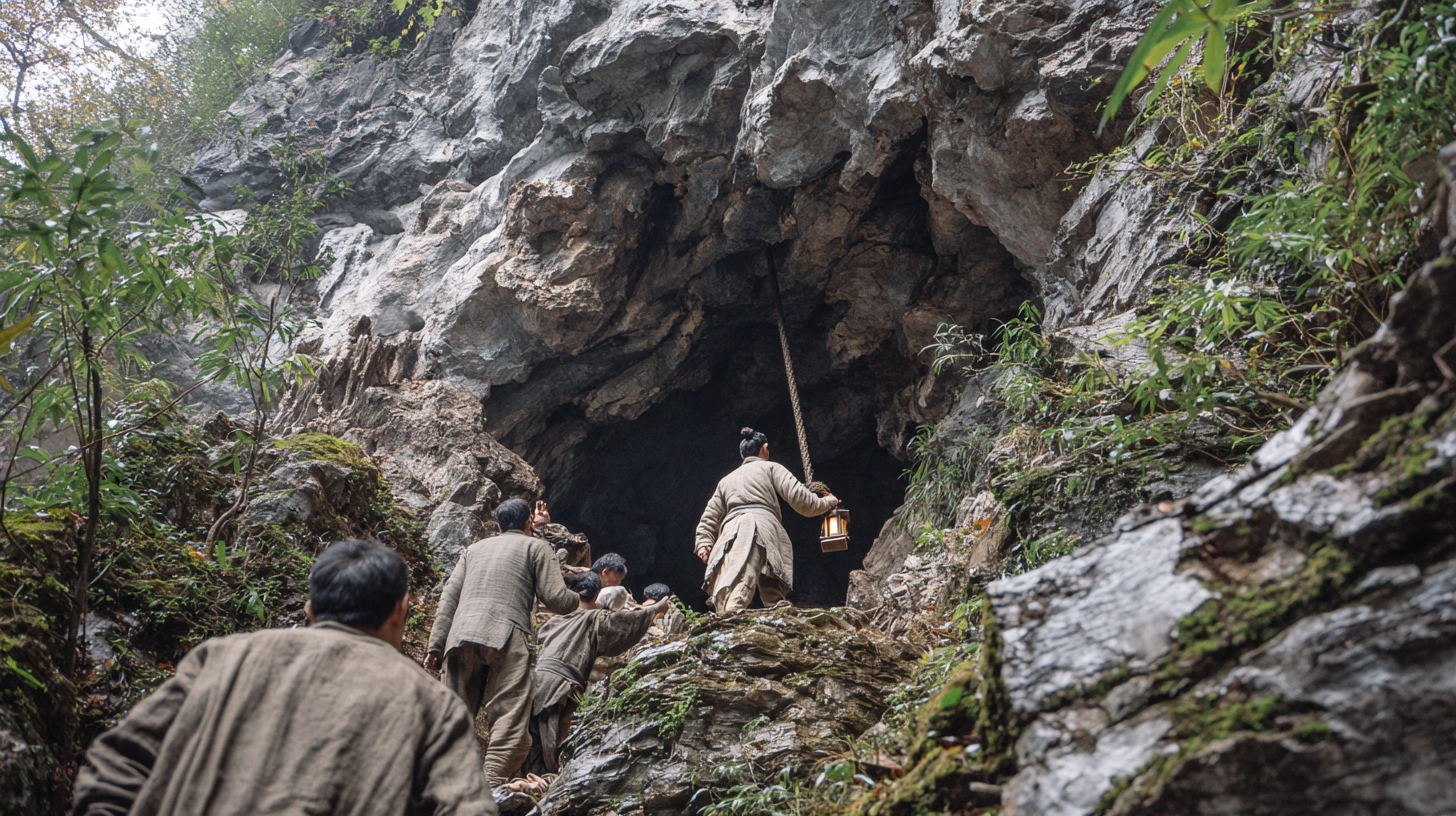
Xu Xiake descends into a limestone cave in the Guangxi karst region, 1637 CE

Xu Xiake Studied China’s Karst Long Before It Had a Name

Four centuries before scientists rappelled into a Guangxi sinkhole and found a forest growing at the bottom, a Ming dynasty traveler on foot was already mapping the same limestone country, cave by cave, without a name yet for what he was looking at or the equipment modern researchers would eventually use to reach it. A ...

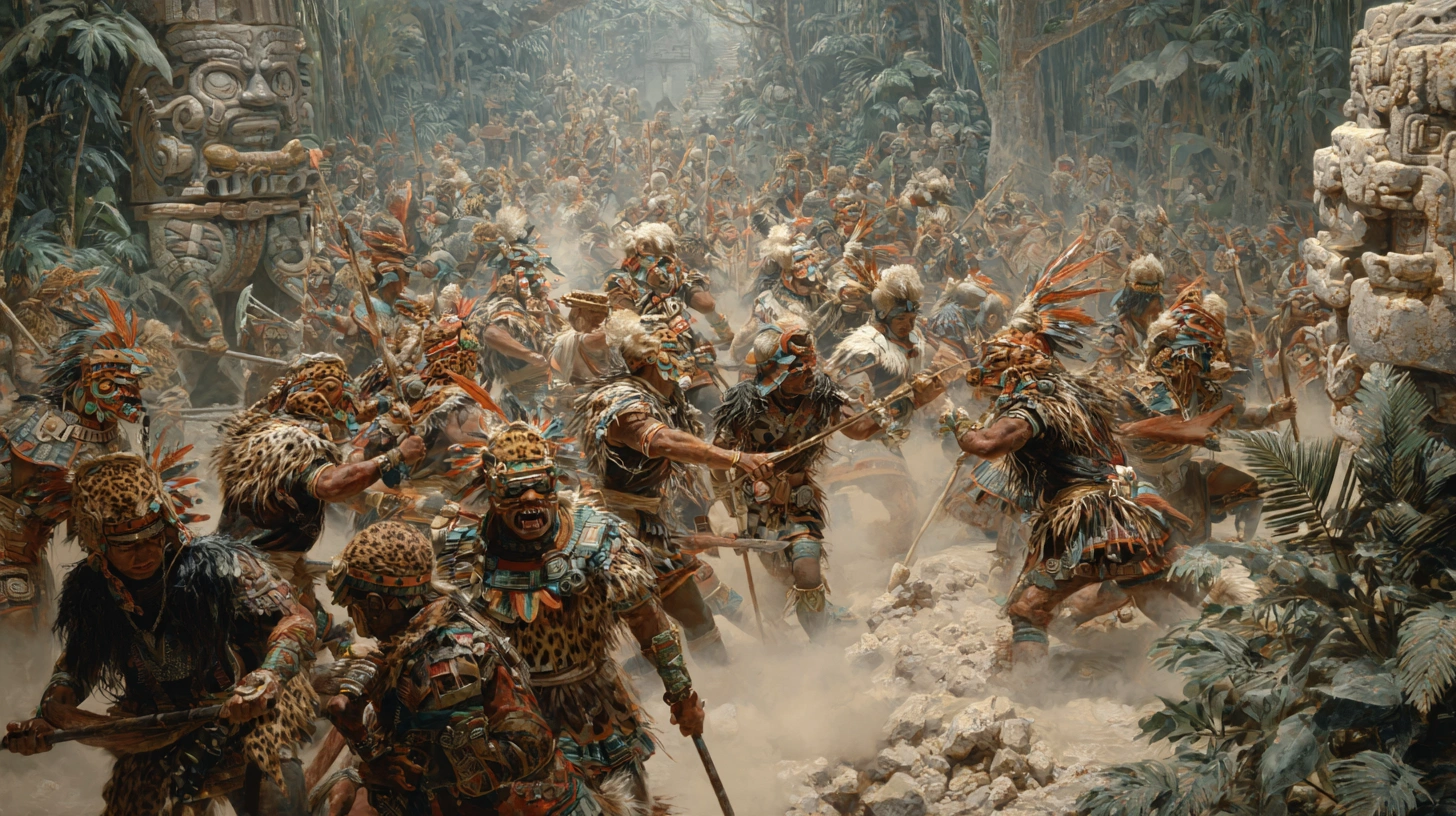
Tikal warriors capture a Calakmul patron god effigy under Jasaw Chan K'awiil I, 695 CE

Tikal Went Silent Once Before It Went Silent for Good

Tikal fell silent once before it fell silent for good. Two centuries before its final abandonment in the ninth century, the greatest city of the southern Maya lowlands went through a strikingly similar collapse in its own stone record, a decades-long gap that archaeologists now call the hiatus. And then, unlike the silence that followed ...

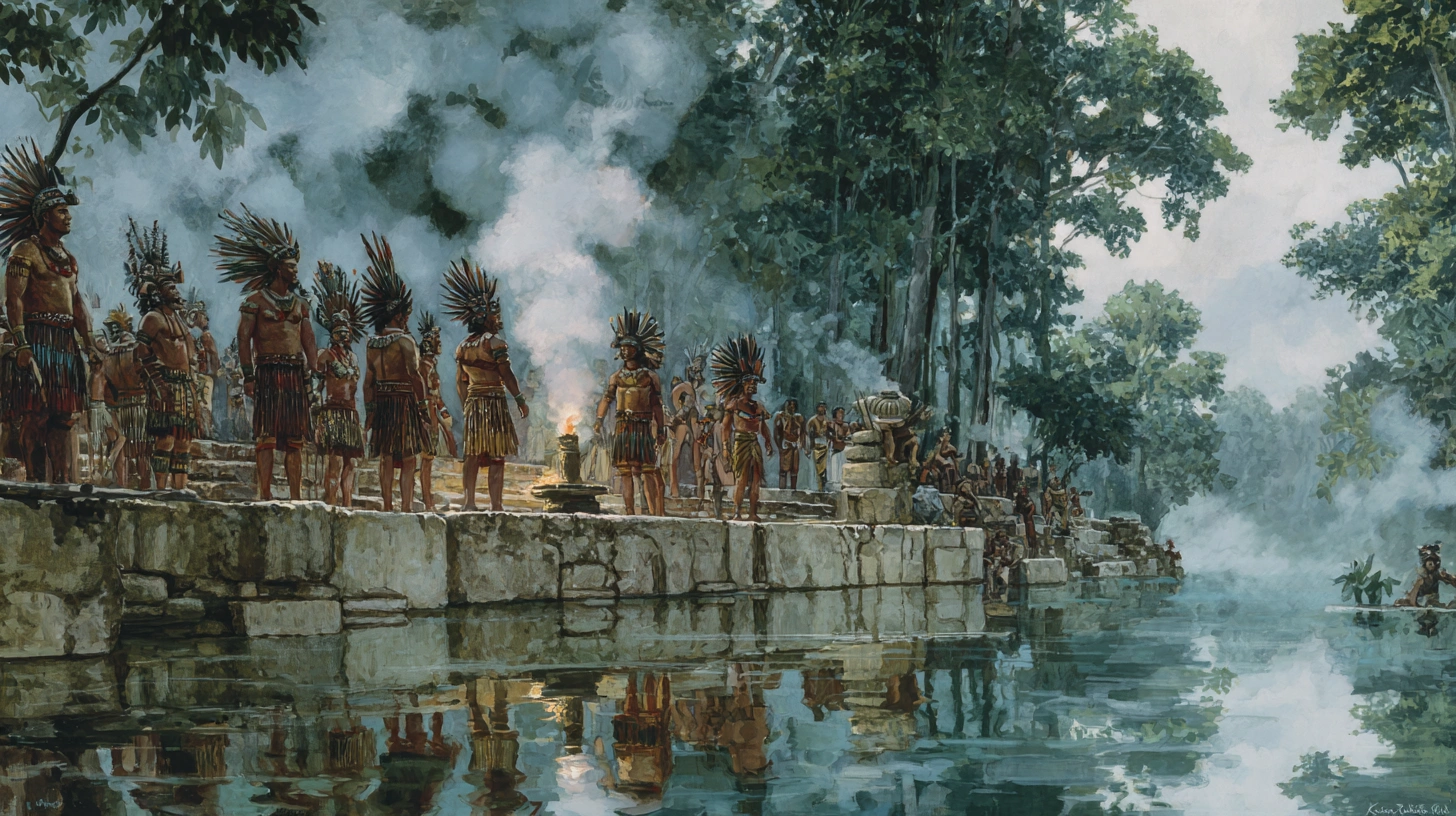
Maya priests offer jade and gold to the Sacred Cenote at Chichen Itza, c. 900 CE

How Cenotes Helped Chichen Itza Outlast the Maya Collapse

When southern Maya cities emptied out during the Terminal Classic, roughly the ninth and early tenth centuries, cities in the northern Yucatan, Chichen Itza among them, kept growing for generations longer. One reason sits directly beneath their plazas: a kind of water source the south largely did not have. Two Ways to Store Water in ...

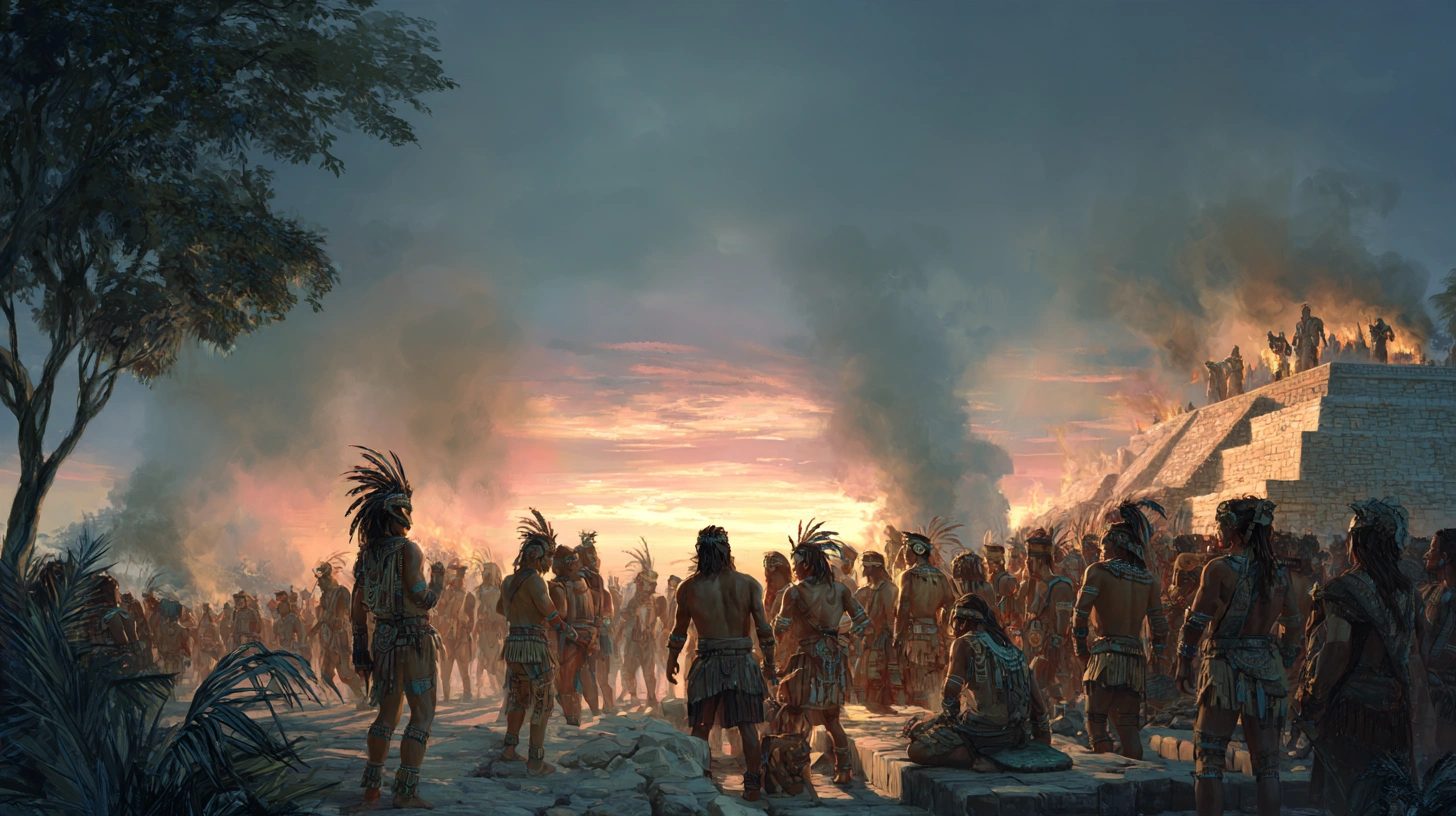
Caracol warriors capture Tikal's king Wak Chan K'awiil at dawn, Maya lowlands, 562 CE

Why Maya Kings Timed Their Most Brutal Wars to Venus

A category of Maya warfare recorded in stone carries a nickname borrowed from modern pop culture: the Star War. Epigraphers gave it that name because the glyph marking these events shows a star positioned over a place sign, and because the dates attached to them line up, in case after case, with the visible movements ...

The gods pass judgment on Enkidu in the Epic of Gilgamesh, c. 1200 BCE

Why the Gods Chose Enkidu, Not Gilgamesh, to Die

Gilgamesh and Enkidu killed Humbaba together. They killed the Bull of Heaven together. Both acts were joint decisions, carried out by two men acting as one. Yet when the gods met to decide a punishment, only Enkidu was sentenced to die. By the time that verdict comes down, the two men have fought side by ...

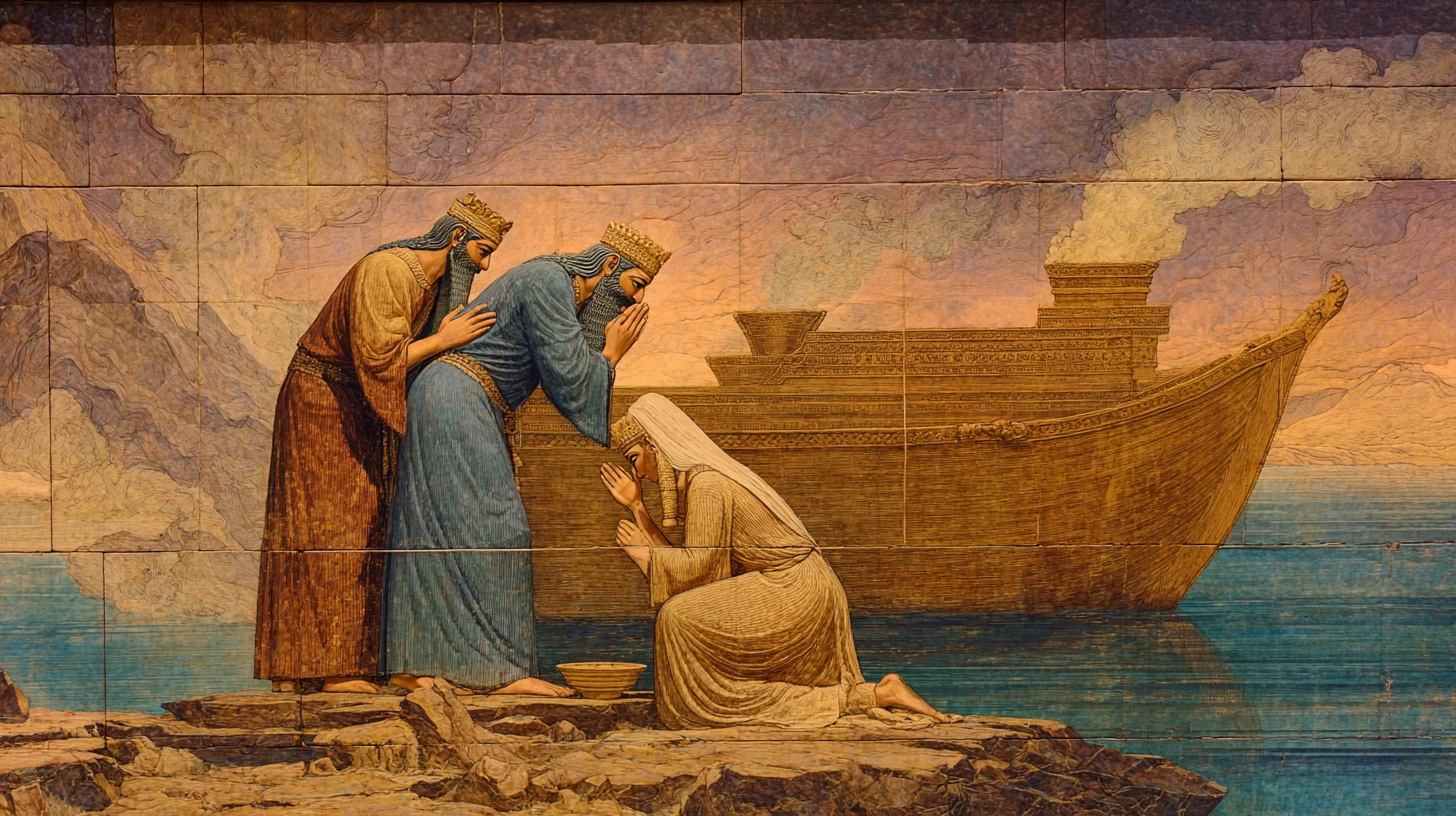
Enlil grants Utnapishtim and his wife eternal life after the great flood, c. 1200 BCE

Why Only Utnapishtim Became Immortal, Not Gilgamesh

Utnapishtim became the only human being in the Epic of Gilgamesh to receive eternal life, and the poem is direct about why: he never asked for it, and the circumstances that won it for him could never happen again. A King Who Never Sought Immortality By the time Gilgamesh reaches him, in the eleventh tablet ...

Extreme close-up of a small tuft of dark ancient hair preserved in frost-covered permafrost soil, ice crystals visible on individual strands under dim natural light

A 4,000-Year-Old Tuft of Hair Is All That Remains of a Vanished Arctic People

Not a skeleton. Not a grave marker. Not a single written word. What the permafrost at Qeqertasussuk in western Greenland preserved for 4,000 years was a tuft of hair — a few frozen strands left behind by someone who lived and died there long before any European had imagined crossing the North Atlantic. That is ...

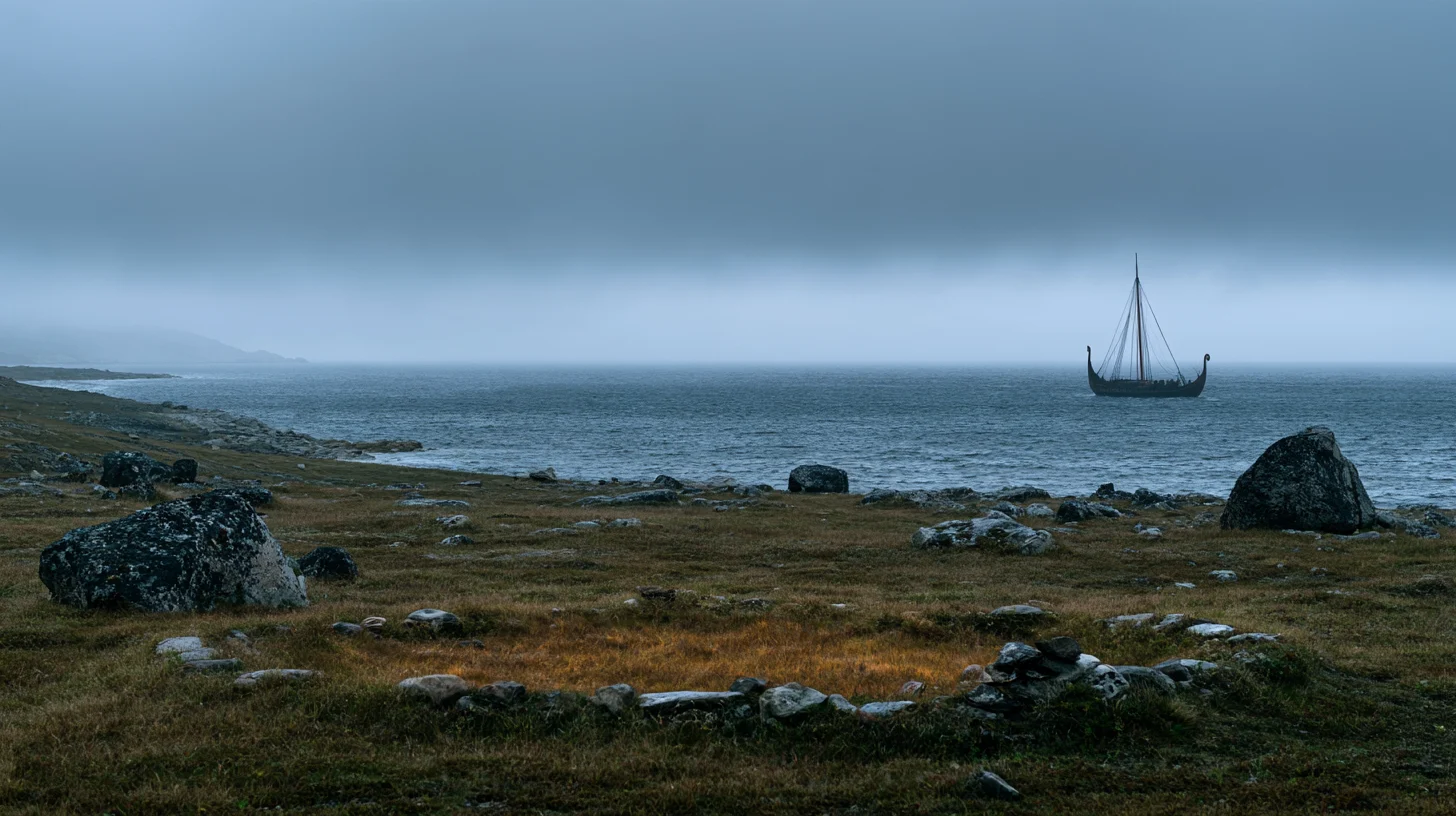
Greenlandic coastline with a barely visible ancient Saqqaq tent ring in the foreground tundra and a distant Norse longship approaching the shore under grey sky

Greenland Had 4,000 Years of Human History Before the Vikings Arrived

Eric the Red reached Greenland around 985 CE and named it to make it sound inviting. It became the version of the story that ended up in textbooks. But the Vikings were not first. They were not even close. By the time Norse ships appeared on Greenland’s horizon, the people who had first settled the ...

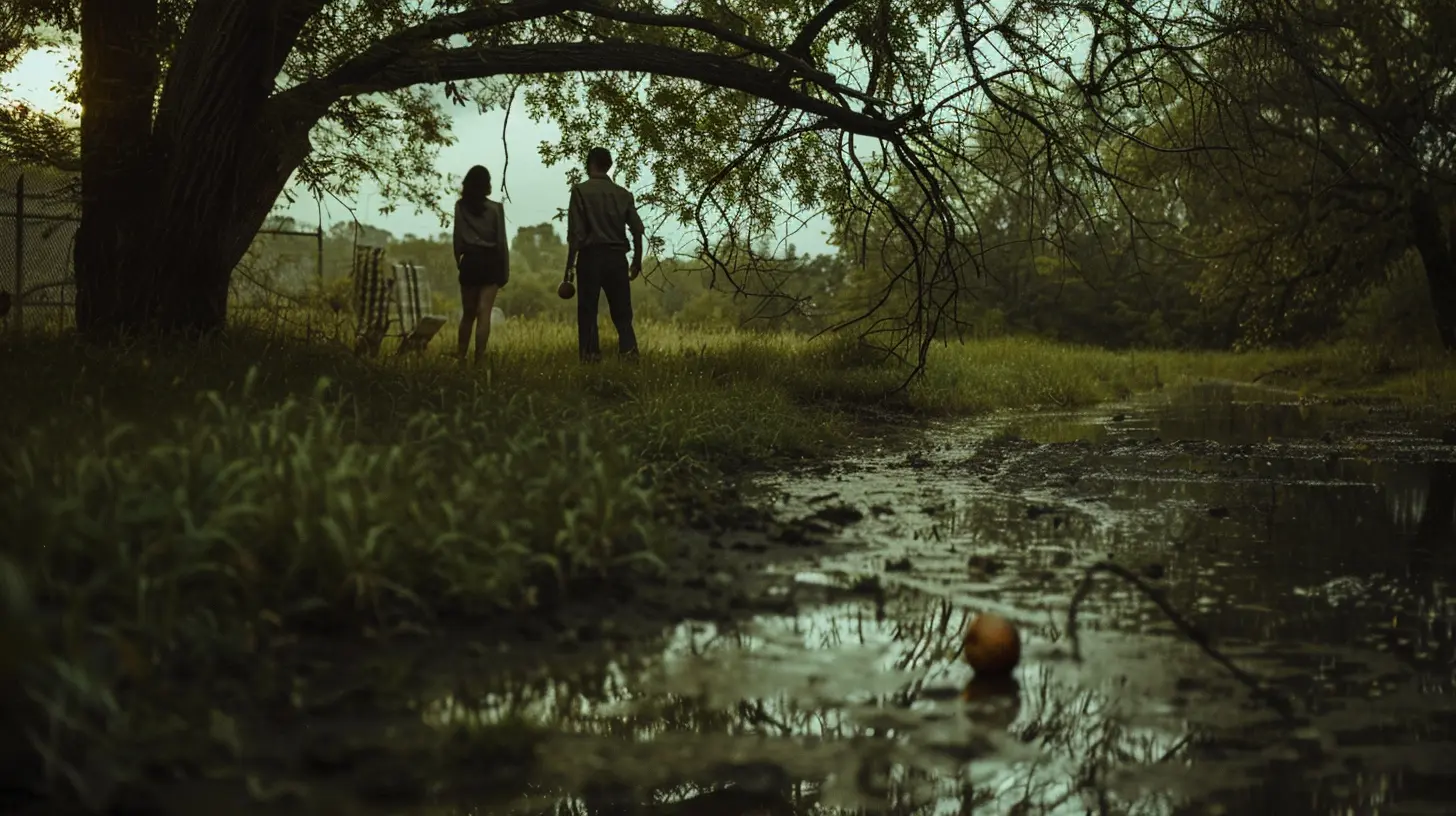
A man standing motionless near a tree while a woman holds fruit, a low unnamed form visible in the grass, late light, no faces shown, documentary stillness

Eden’s Sanctuary Fell Because the Watcher Stayed Silent

Every retelling of the fall begins with the fruit. The Hebrew text does not. It begins with something already inside the walls — and with the man whose job was to keep that from happening. By the time the sentence arrives about eating, the watch has already failed. The door is already off the hinge. ...

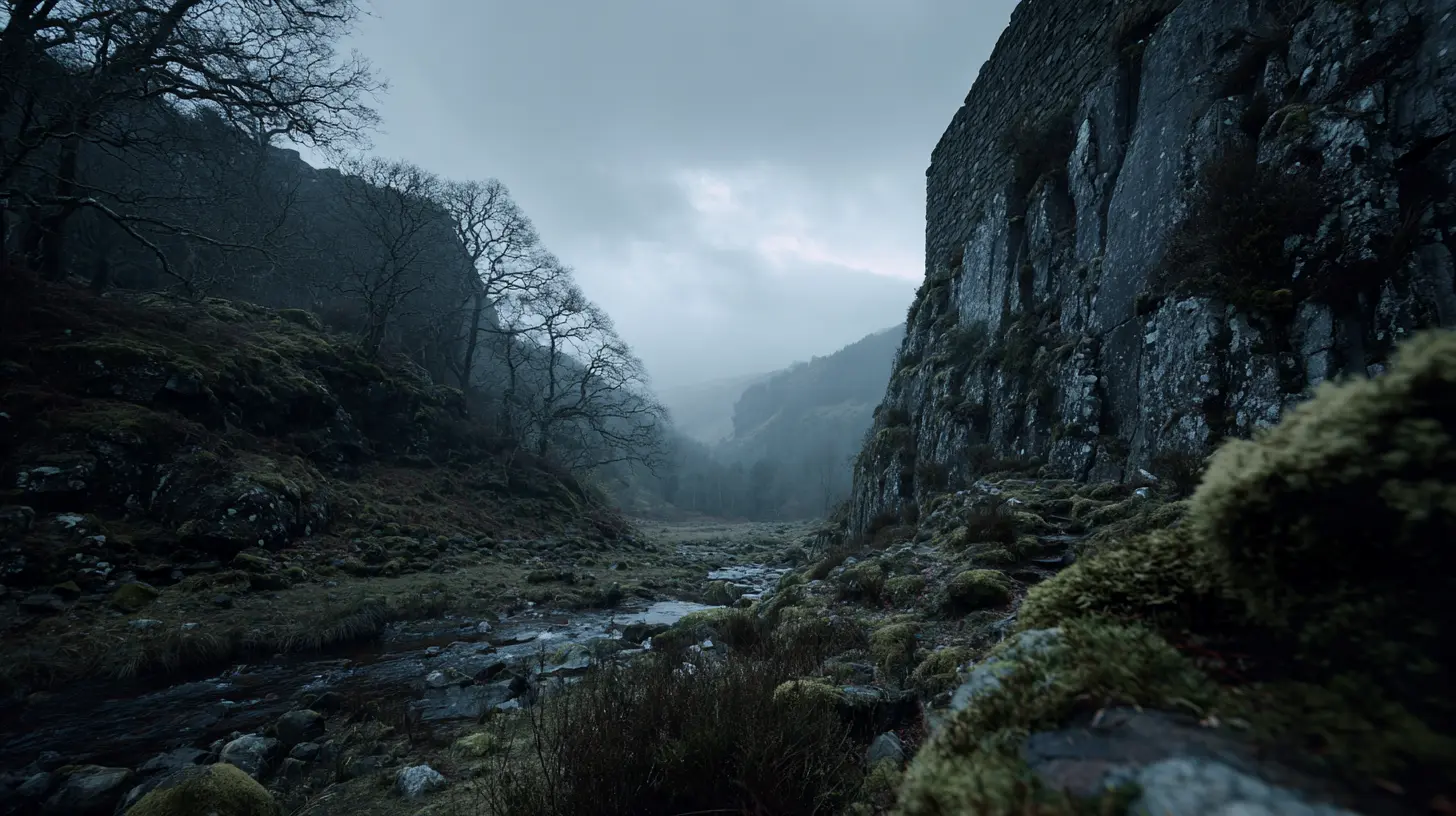
Walled highland sanctuary at first light with a spring emerging from moss-covered rock and a single river descending and dividing into lower channels

Eden Was the First Temple, and Its Priest Was Adam

Solomon built his temple in the tenth century BCE with cedar from Lebanon, stone quarried in silence, and more gold than the text bothers to finish counting. He was not the first. The first temple in the biblical record had no masons. It was planted. The Hebrew word translated “garden” in Genesis 2 is gan. ...

[Valid RSS]