stat counters
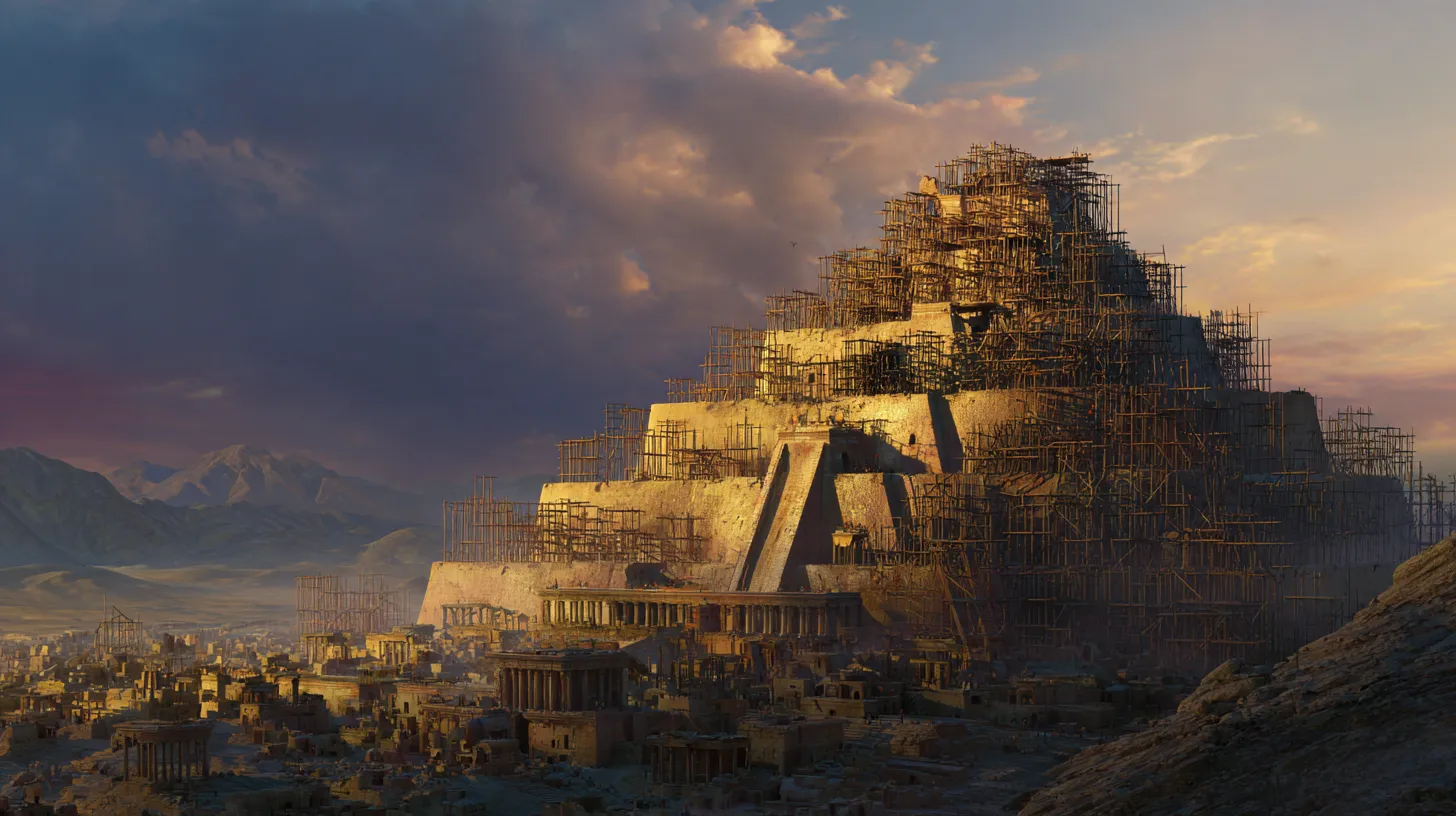
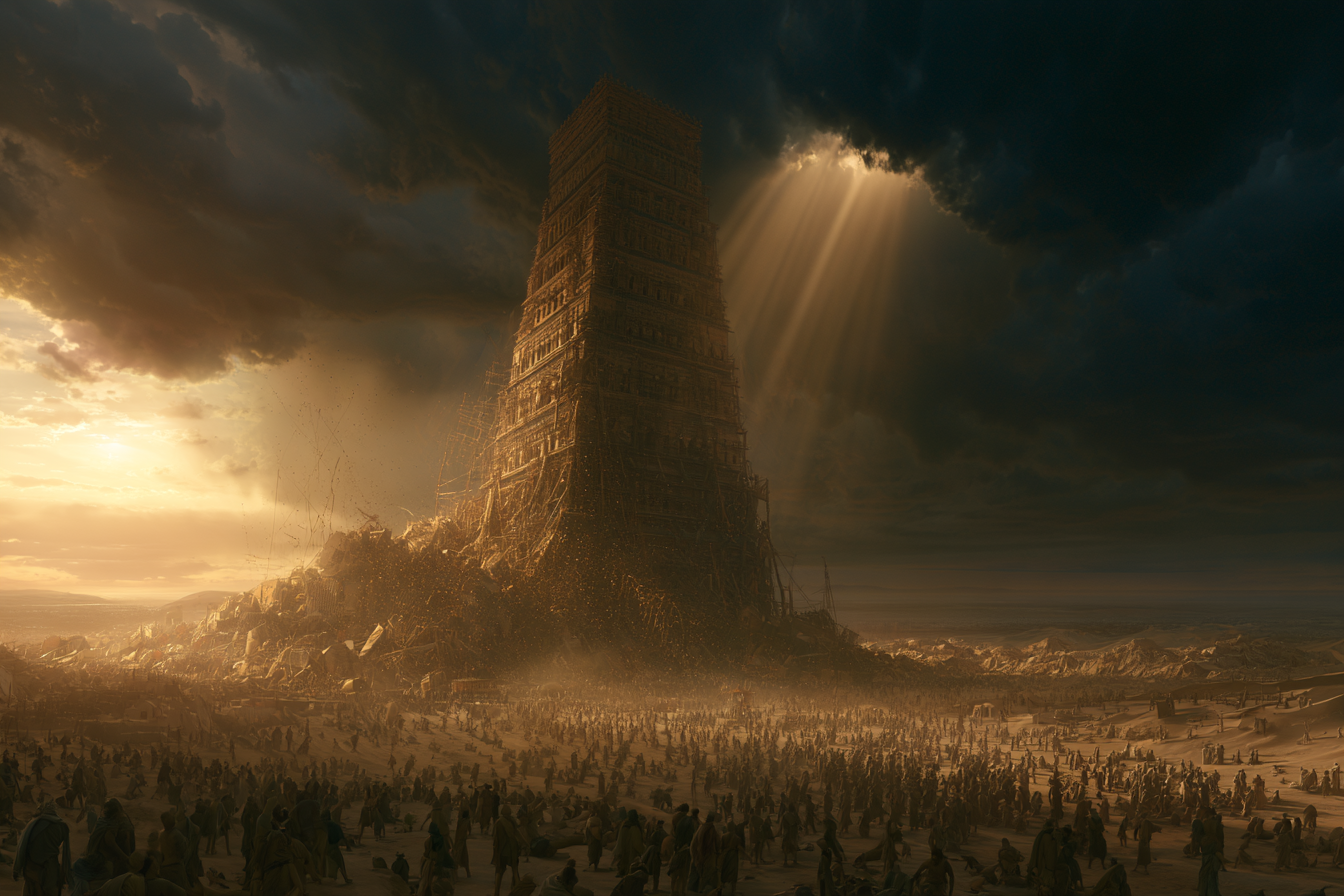
A single ziggurat shown simultaneously in multiple historical states — construction, destruction, and rebuilding — unified in one panoramic scene

The Tower of Babel Was Built, Destroyed, and Rebuilt for Centuries

The Tower of Babel was not built once. It was built, destroyed, and rebuilt so many times across so many centuries that its history reads less like a single event and more like a recurring compulsion. That is not a theological observation. It is the archaeological record. Scholars studying the Etemenanki — the great ziggurat ...

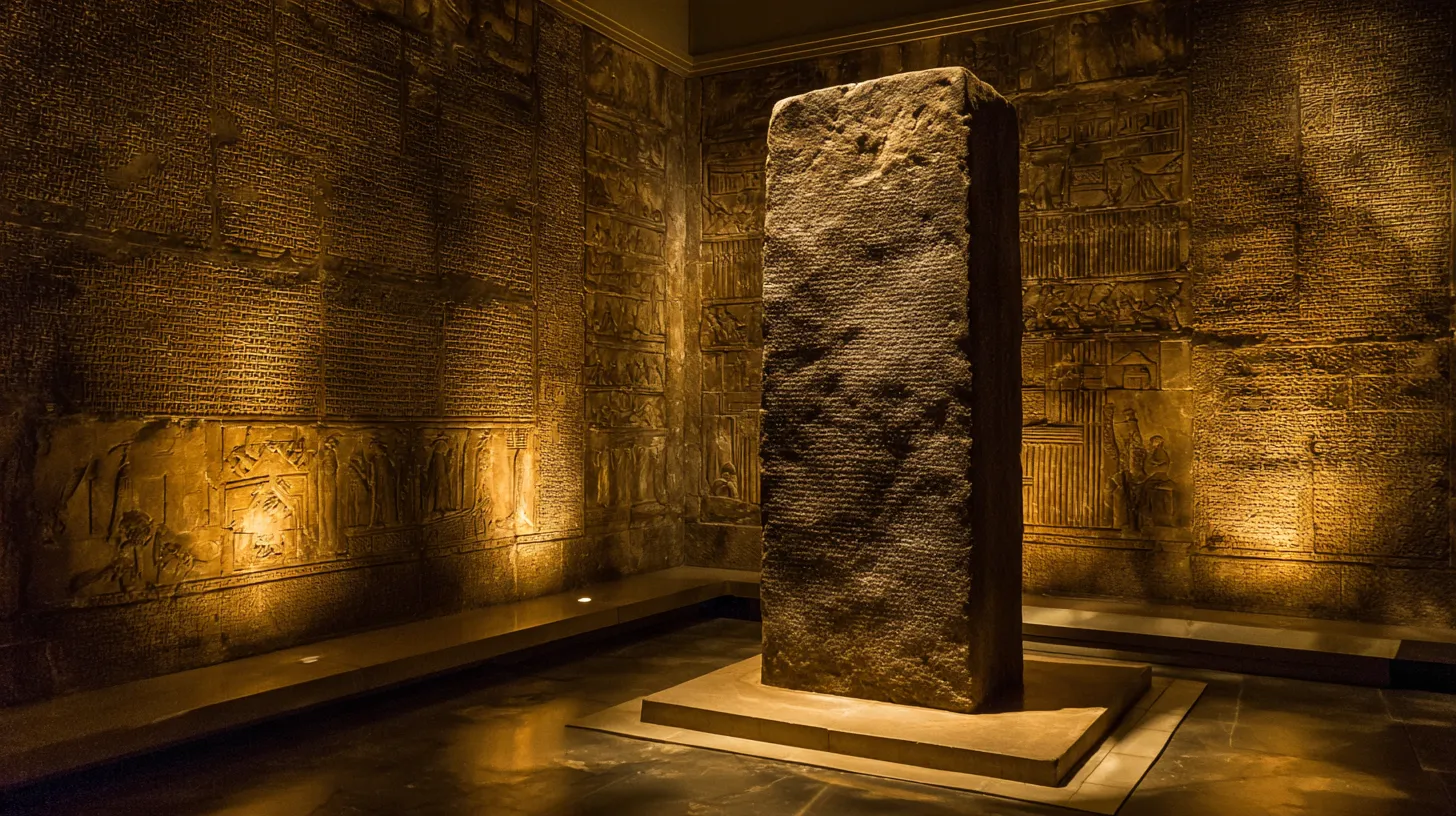
Carved Neo-Babylonian royal stele showing a seven-tiered ziggurat in relief surrounded by cuneiform inscription, lit by torchlight in a dim stone chamber

Nebuchadnezzar Wrote “I Raised Its Top to Heaven” in His Own Words

A Babylonian king had his own scribes carve the words “I raised its top to heaven” into stone — and those words survived 2,500 years to be read by an archaeologist in 1917. The inscription belongs to Nebuchadnezzar II, the most powerful ruler of the Neo-Babylonian Empire, and it describes the Etemenanki — the great ...

Lightweight Mycenaean chariot with two horses and warriors dismounting to fight on foot across open Bronze Age Greek terrain

Bronze Age Chariots Weighed 30 kg and Worked as Taxis, Not Tanks

The chariot that carried Achilles into battle weighed about as much as a modern bicycle. That single fact changes everything Homer described. For centuries, readers of the Iliad pictured Bronze Age warfare as chariot-dominated — armored vehicles crashing through enemy infantry in mass charges, warriors fighting from moving platforms the way later generations fought from ...

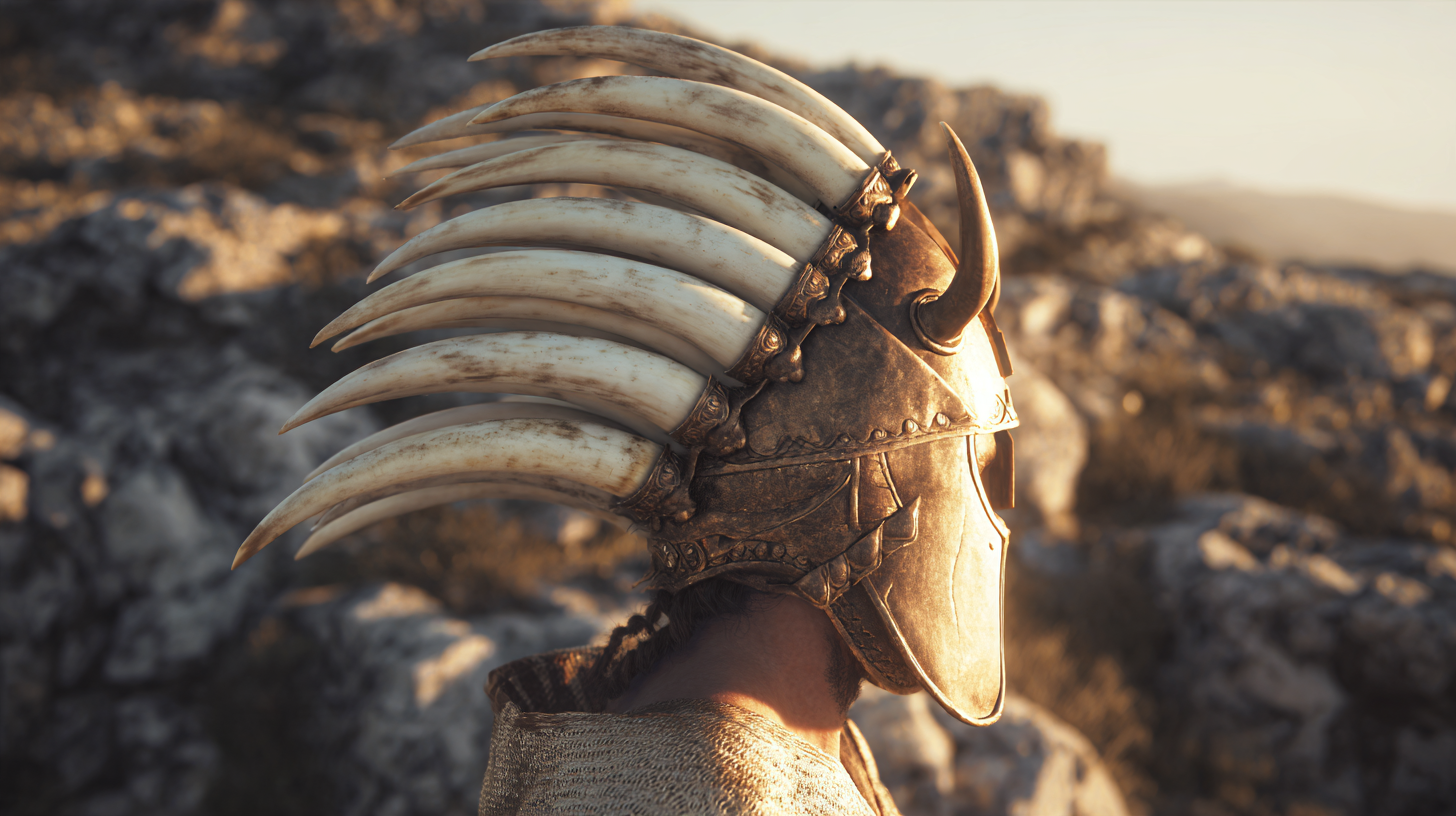
Mycenaean warrior wearing a boar's tusk helmet with overlapping rows of carved ivory-white tusks over a leather cap in a Bronze Age Greek landscape

A Bronze Age Helmet Made from Up to 40 Wild Boars

The man who wore this helmet had killed at least 20 wild boars to make it — and everyone who saw it on the battlefield knew exactly what that meant. The boar’s tusk helmet is the most archaeologically documented and literarily celebrated piece of headgear from the Bronze Age Greek world. It was not mass-produced. ...

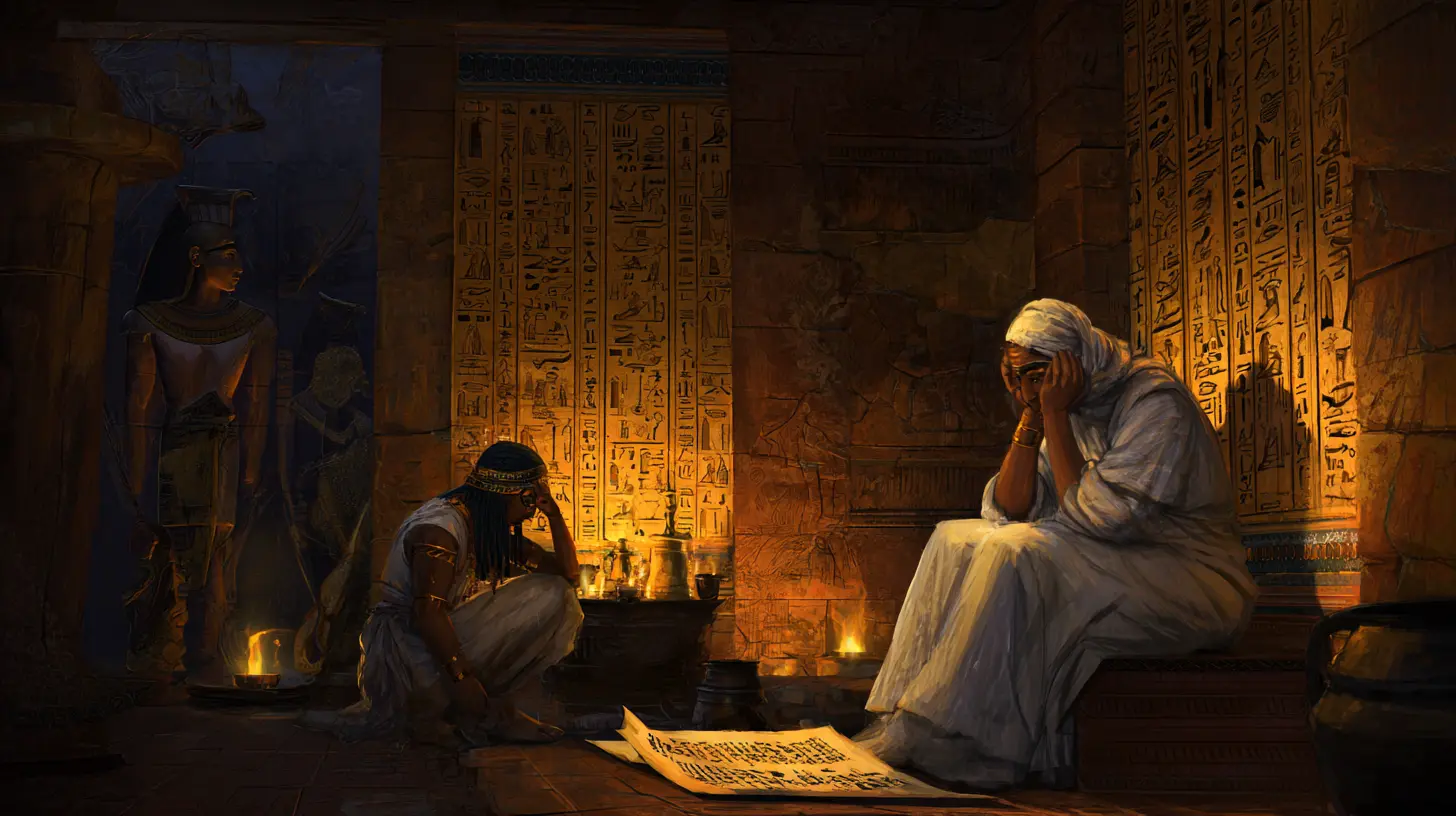
Ancient Egyptian professional dream interpreter consulting a hieroglyphic papyrus scroll with a client in a torch-lit stone chamber

Ancient Egypt’s Professional Dream Interpreters: The Scholars Who Read Your Nightmares

Someone woke up in ancient Egypt having dreamed about eating a donkey. This was now somebody else’s problem. That somebody was the san-huat — the dream interpreter — a specialist whose entire professional existence was built around decoding the nighttime visions of anxious clients and delivering verdicts that carried genuine religious weight. Not metaphorical weight. ...

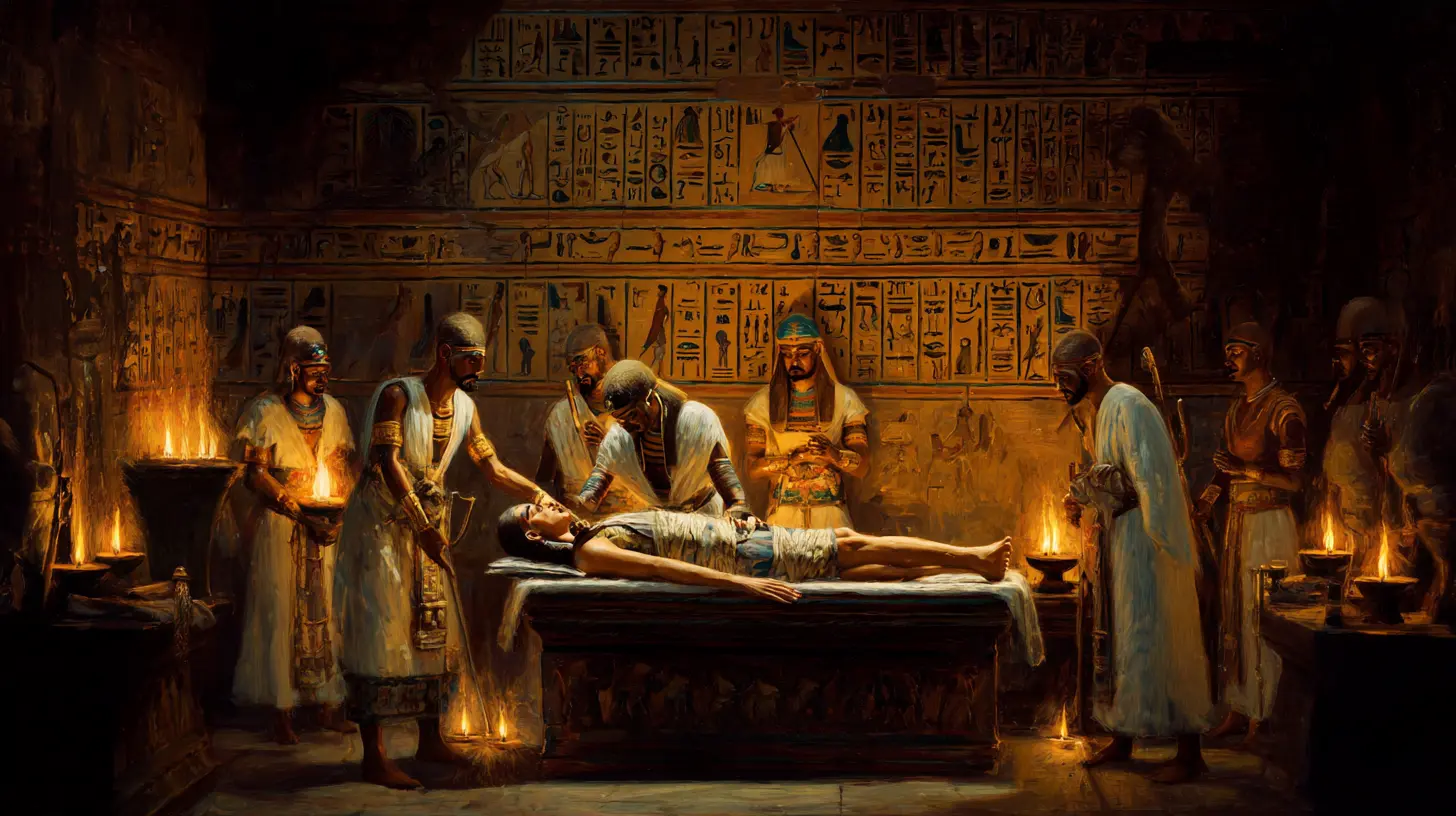
Ancient Egyptian embalmer "the cutter" performing a ceremonial mummification incision in a torch-lit chamber surrounded by priests

The Cutter: Ancient Egypt’s Most Cursed Job in the Mummification Process

Ancient Egypt had a word for almost every specialist involved in mummification. The wt priests who wrapped the bandages. The hery seshta who oversaw the sacred rites. The kher heb who read the funerary texts aloud throughout the process. And then there was the cutter. His job was simple, necessary, and apparently unforgivable: make the ...

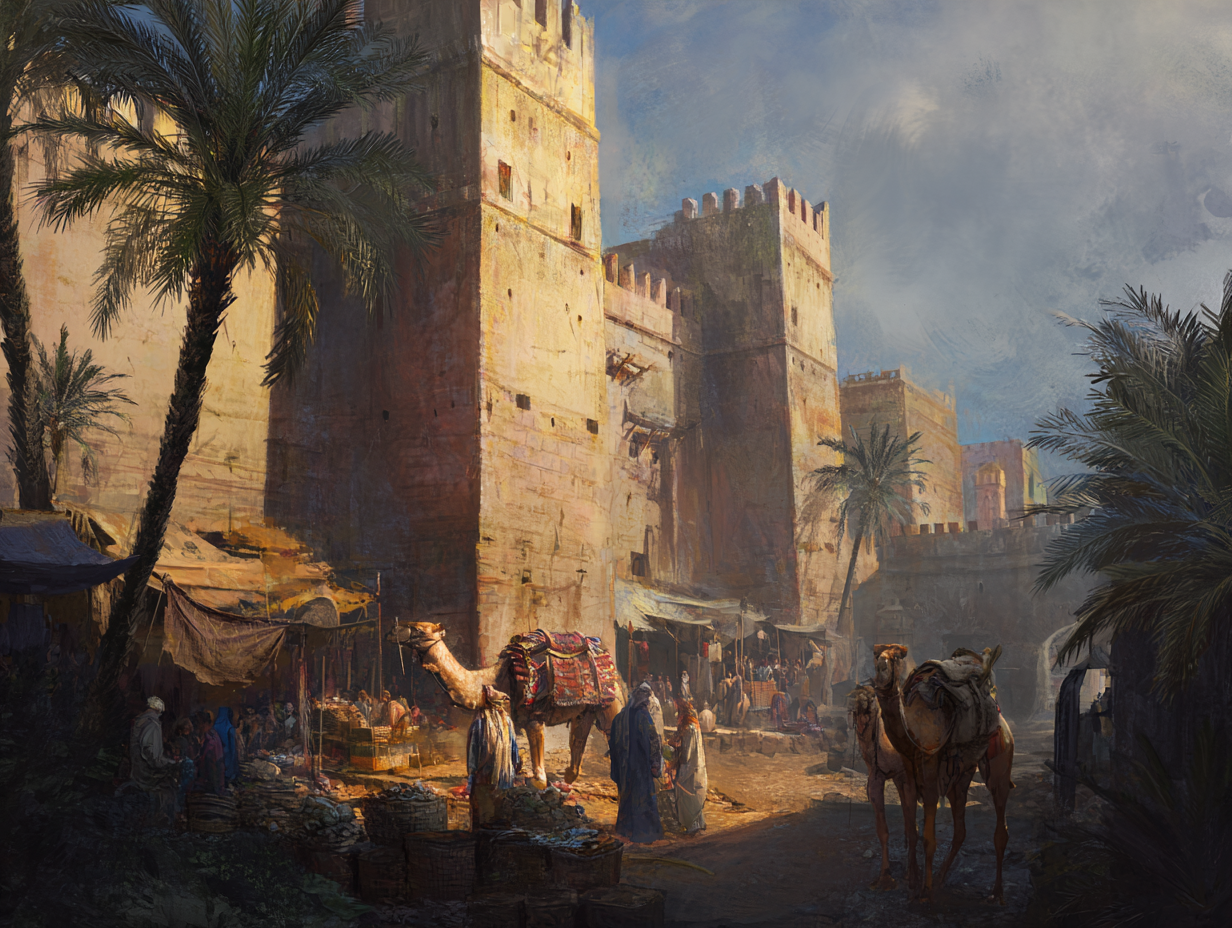
AI reconstruction of ancient Ubar at dusk: walled city and frankincense market as the ground splits beneath the walls.

Life in Ubar: Inside the Ancient City That Vanished Into the Earth Overnight

Before the ground swallowed it, Ubar was one of the most important cities in the ancient world. Located at the crossroads of the Arabian Peninsula’s frankincense trade routes, Ubar sat where caravans converged from the forests of southern Arabia on their way north to the markets of Rome, Mesopotamia, and Egypt. Frankincense was not a ...

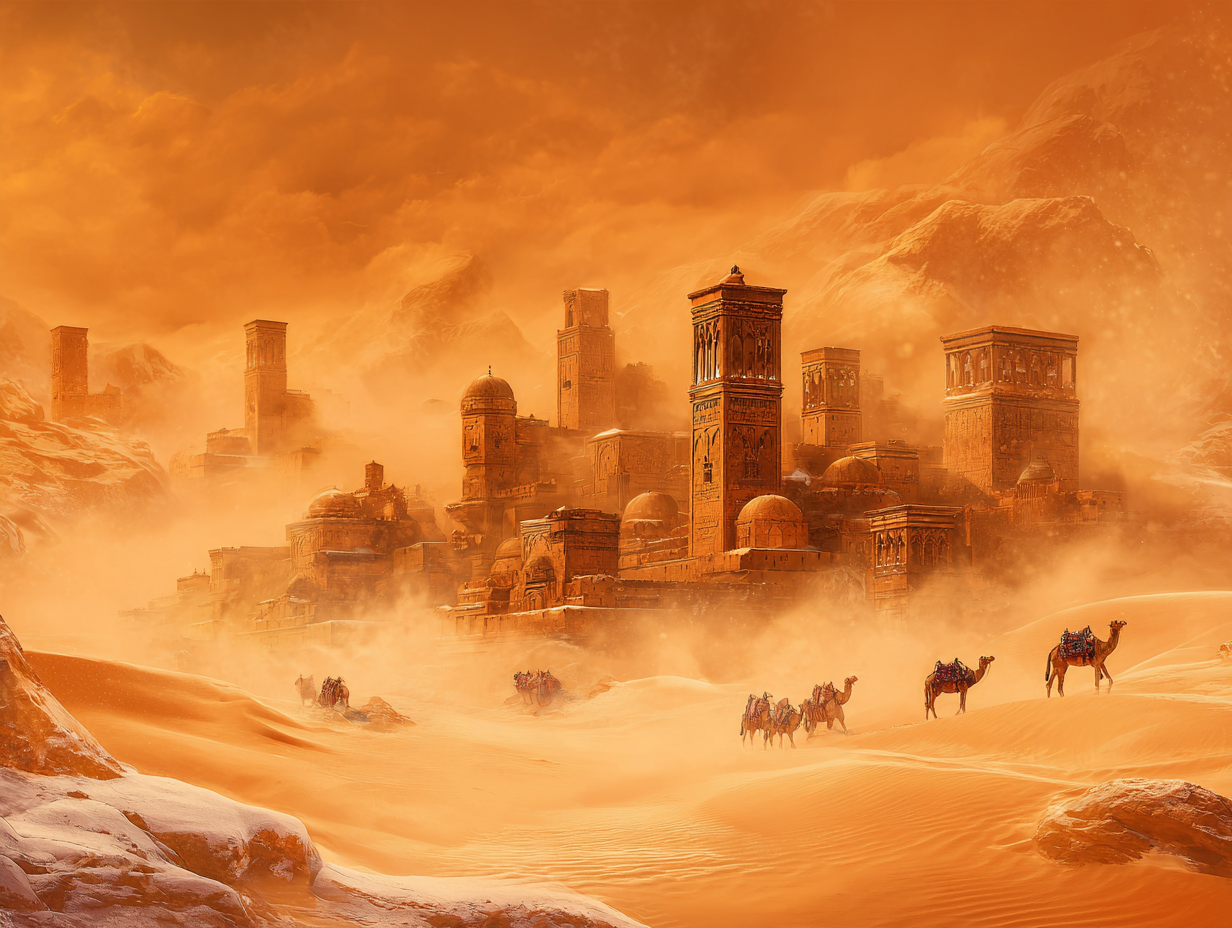
AI reconstruction of a Silk Road city half-buried in dunes, towers and a camel caravan in a sandstorm under an orange sky.

Silk Road’s Forgotten Cities: Ancient Metropolises the Desert Buried Alive

The Taklamakan Desert’s name roughly translates as: “You go in, you don’t come out.” Temperatures swing from blistering to brutal. Sandstorms last for days. There is almost no water. And yet, beneath the sand, there are cities. Not one or two — a string of them, running along the ancient Silk Road, preserved by the ...

AI reconstruction of desert ruins at sunset, stone walls half-buried in dunes, a lone figure in the foreground.

Lost Cities Buried Under the Desert Sand: Ancient Civilizations We Haven’t Found Yet

Six thousand years ago, the Sahara had cities. Not camps. Not villages. Cities — with roads, agriculture, and populations large enough to leave their mark on history. Today they sit buried beneath the sand, waiting. This is not unique to the Sahara. The Arabian Peninsula, Central Asia, the Gobi — each was once wetter, greener, ...

The Confusion of Languages at Babel: How One Ancient Event Created Every Civilization on Earth

One moment, the largest construction site in human history ran with military precision. The next, no one could understand anyone. That is what Genesis 11 describes — and its consequences shaped every civilization that followed. Before Babel, humanity shared one language. That single fact made total coordination possible. No diplomatic negotiation. No translation delays. No ...

[Valid RSS]