The Siege of Jerusalem, 589 to 587 BCE: What the Texts Say
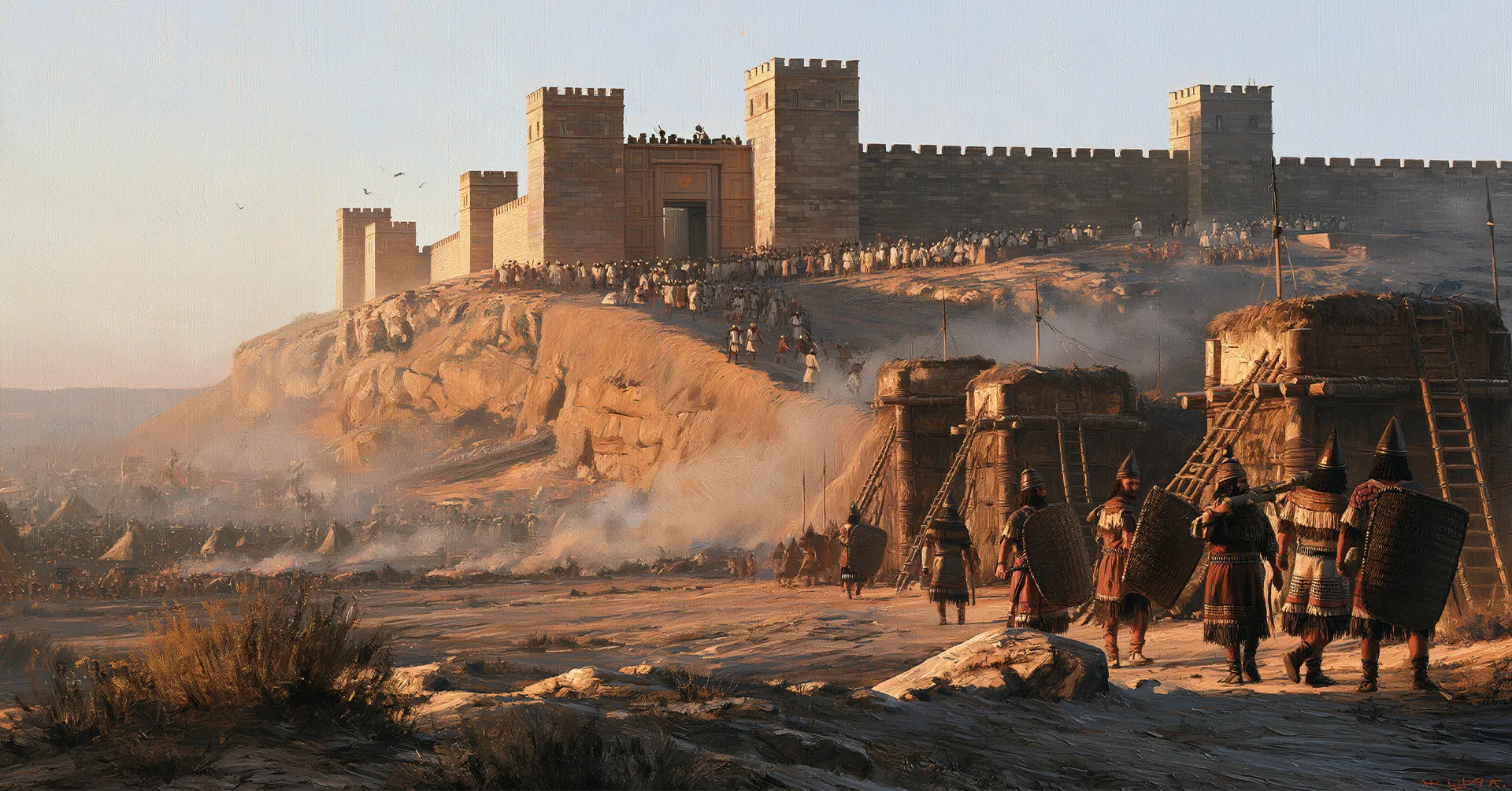
The siege of Jerusalem by Nebuchadnezzar of Babylon began in the ninth year of King Zedekiah, and by the eleventh the city had no bread and its walls were broken. Scholars place the fall in 587 or 586 BCE. The Bible dates the breach to the ninth day of the fourth month and the burning ...
Why the Monks of Tana Kirkos Will Not Say Where the Ark Is
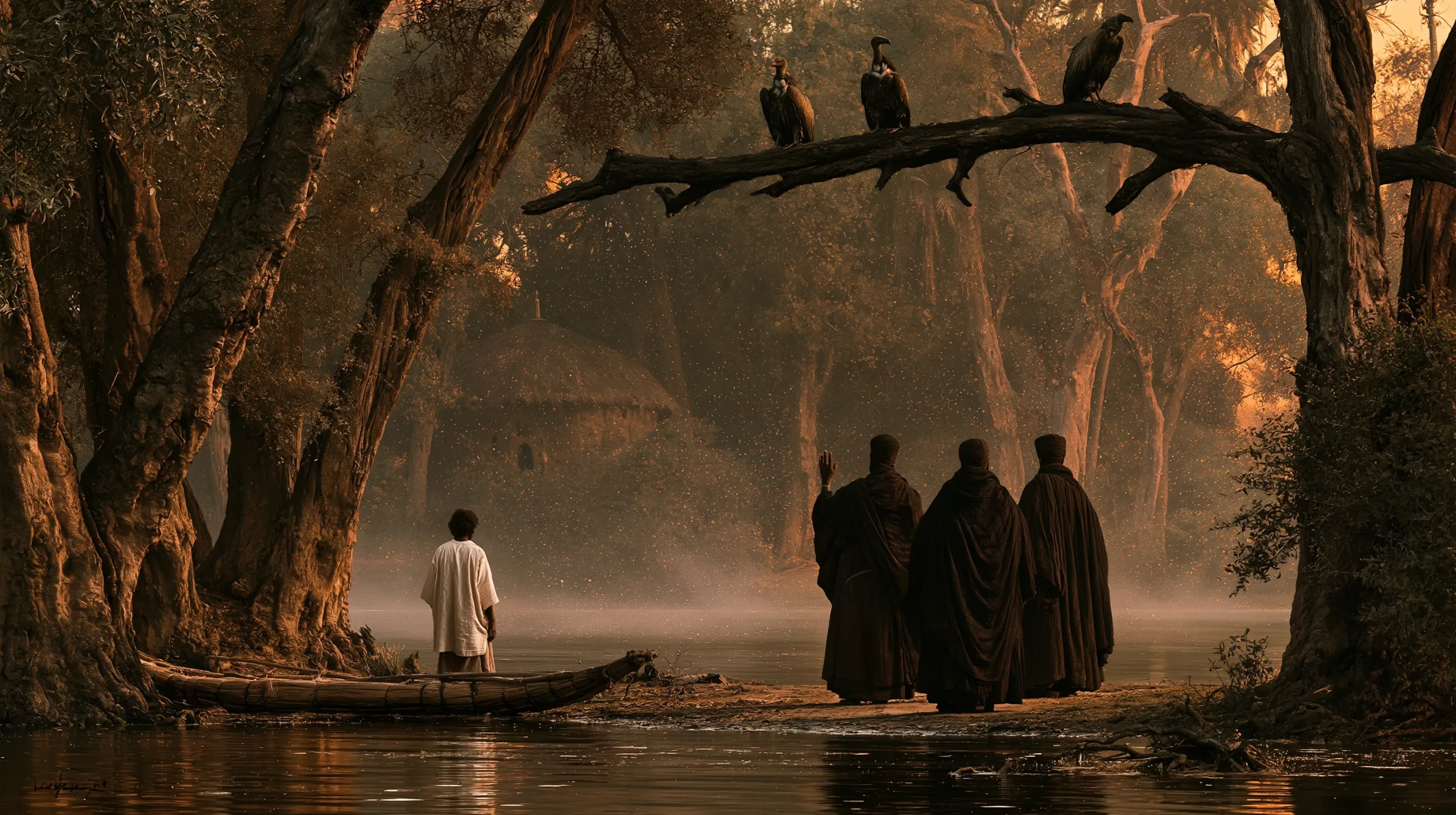
The monks of Tana Kirkos, on an island in Lake Tana in northern Ethiopia, would not say where the Ark of the Covenant is, according to a photojournalist who says he asked them directly. The reason he was given is that invaders had tried to steal it. The account names no thieves and gives no ...
Why Did Uzzah Die Touching the Ark? What 2 Samuel 6 Says
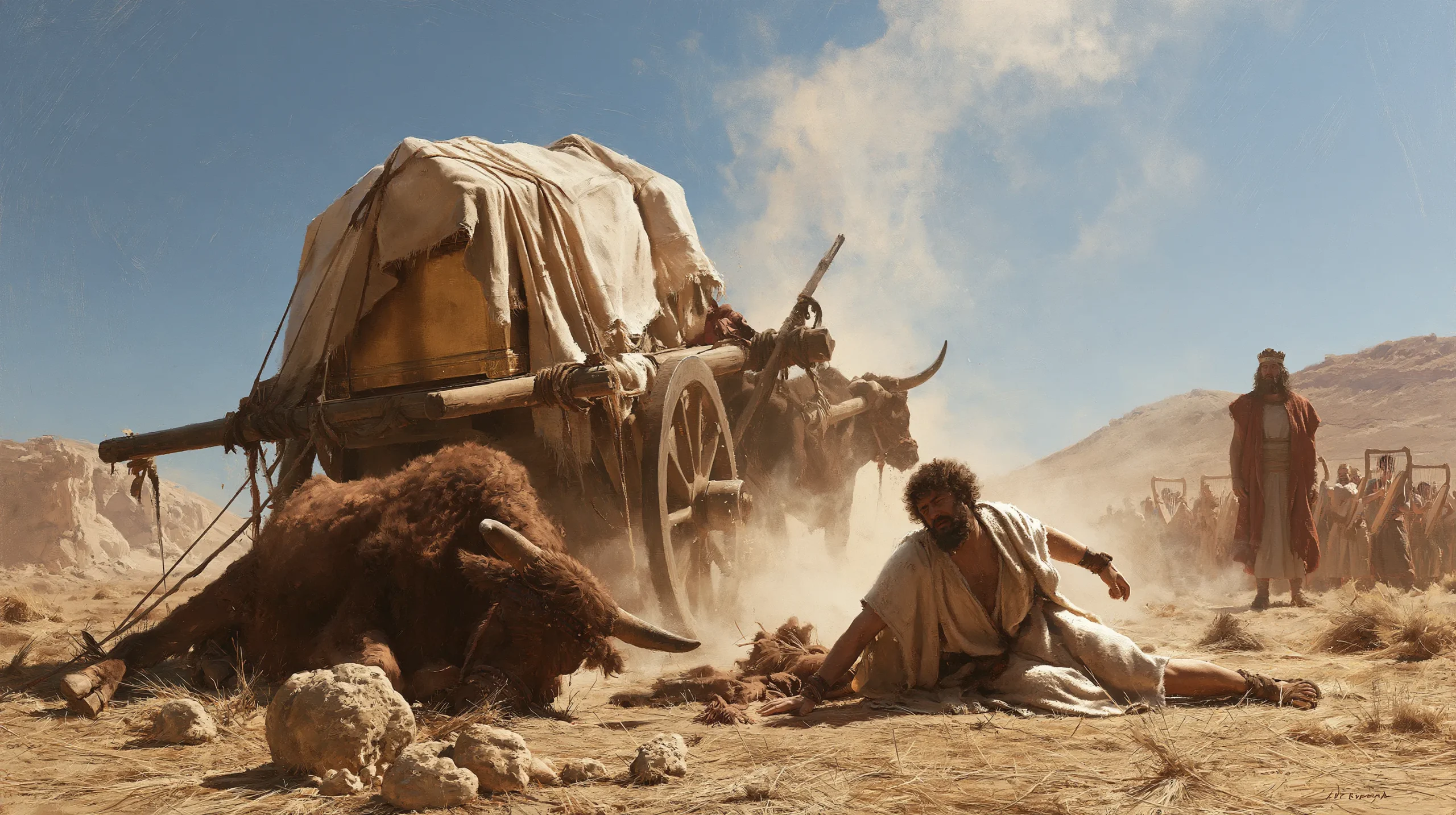
Uzzah died on the spot after he took hold of the Ark of the Covenant. According to 2 Samuel 6, King David was bringing the Ark to Jerusalem on a new cart when the oxen shook it, and Uzzah put out a hand to it. The anger of the LORD was kindled against him, and ...
Does Looking at the Ark Mean Fire? Ethiopia’s Deadly Rule
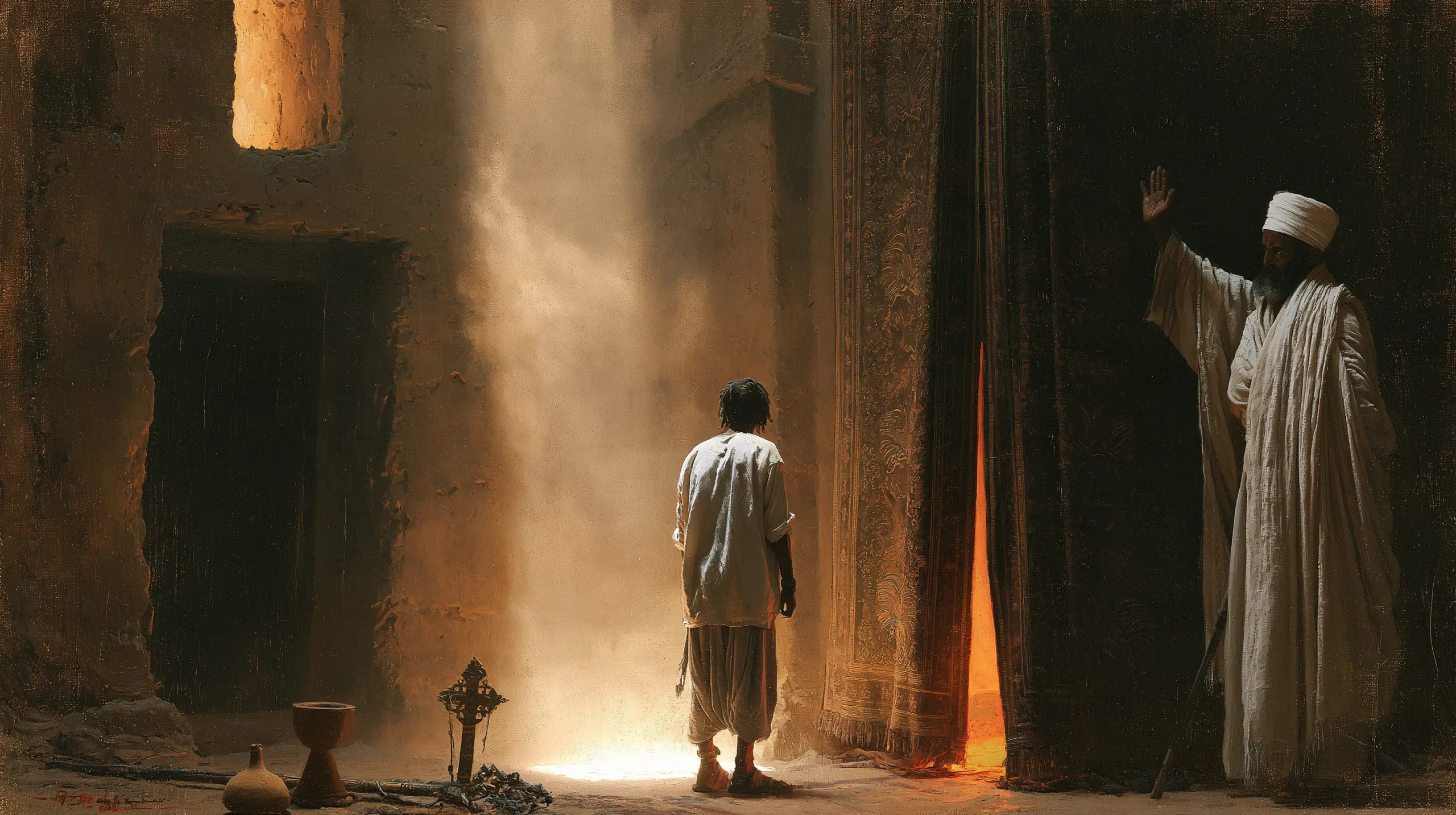
A photojournalist who travelled in northern Ethiopia says believers there told him the power of the Ark of the Covenant can burn a person alive. He says he was told that anyone other than the guardian priest who looked at one of the sacred tablets would be consumed by fire at once, which is why ...
Egyptian Chariots Met Disaster on Unstable Seabed
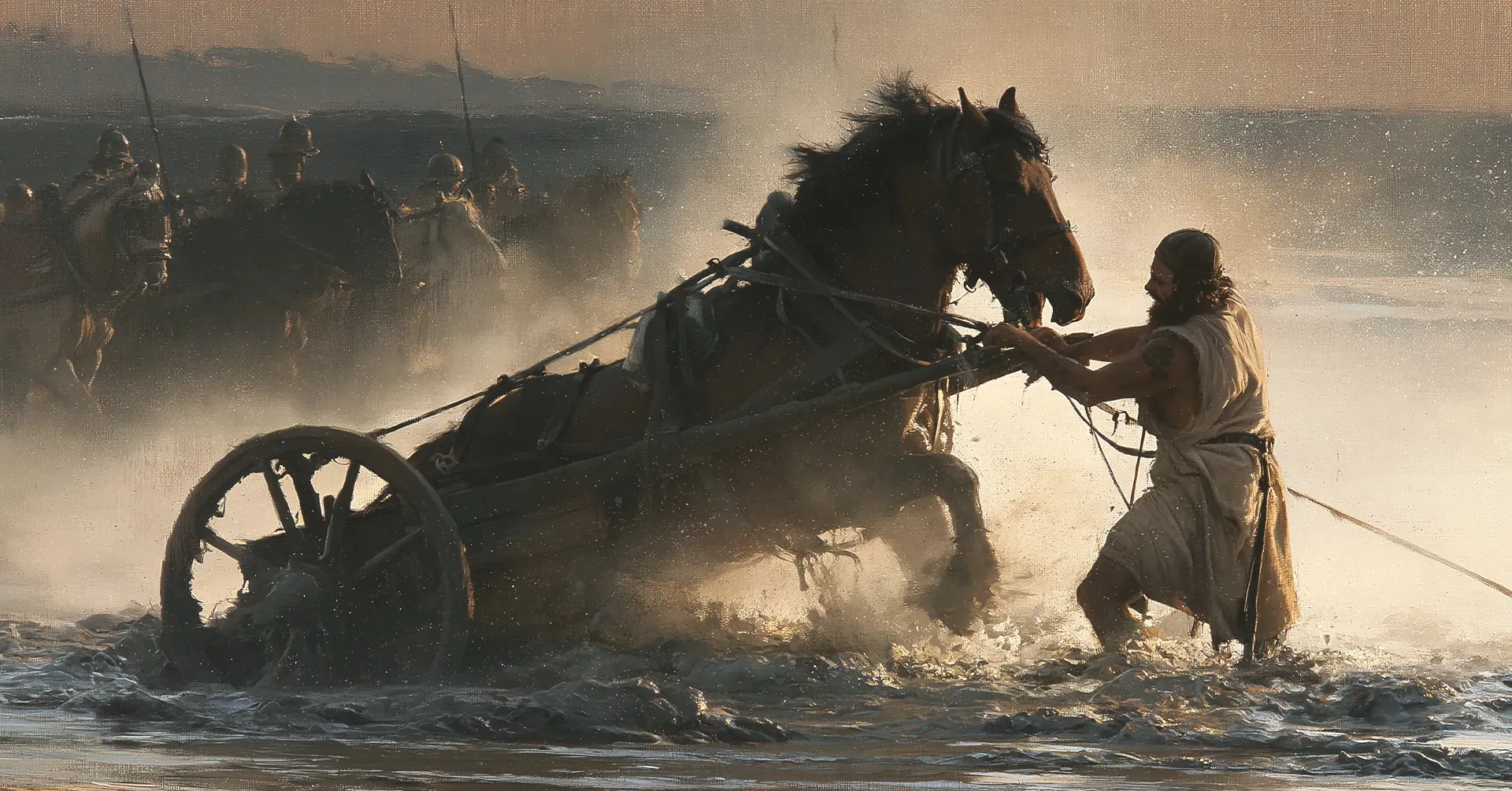
Shallow water can still kill an army. The biblical script makes a direct, terrifying point about the physics of ancient warfare: while modern readers often picture the Israelites crossing a deep, oceanic abyss, the theory of a shallow lagoon or coastal lake does not require a mere puddle. Horses and heavy war chariots driven at ...
The Parted Sea’s Walls of Water Defy Natural Physics
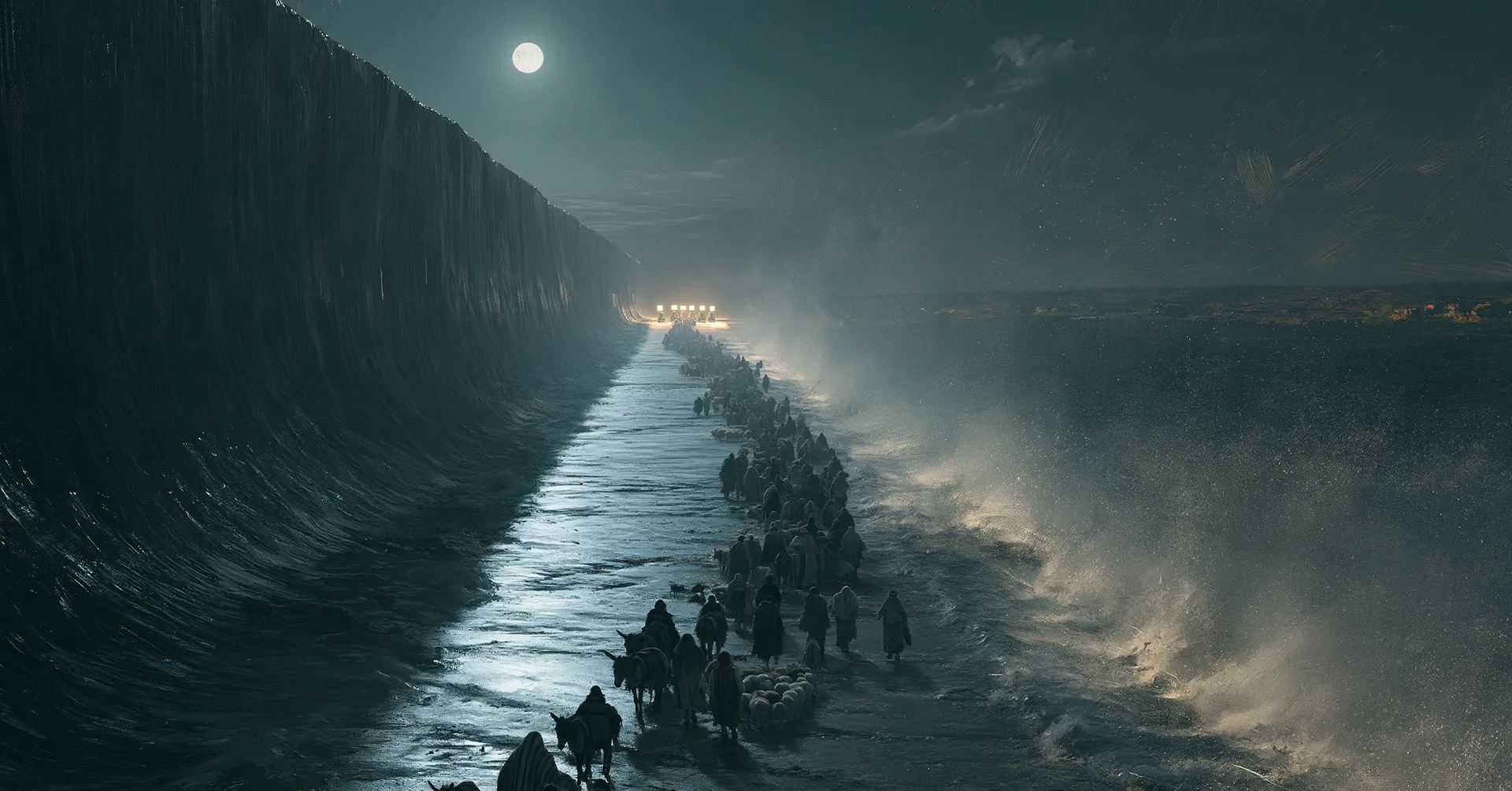
Exodus 14:22 provides the most famous and enduring image of the ancient crossing, stating that the Israelites went into the sea on dry ground, with the waters forming a wall to them on their right hand and on their left. It is an incredibly striking visual—a narrow, traversable corridor framed by towering, unnatural cliffs of ...
Pharaoh’s Lethal Reversal Cost Egypt Its Best Chariots
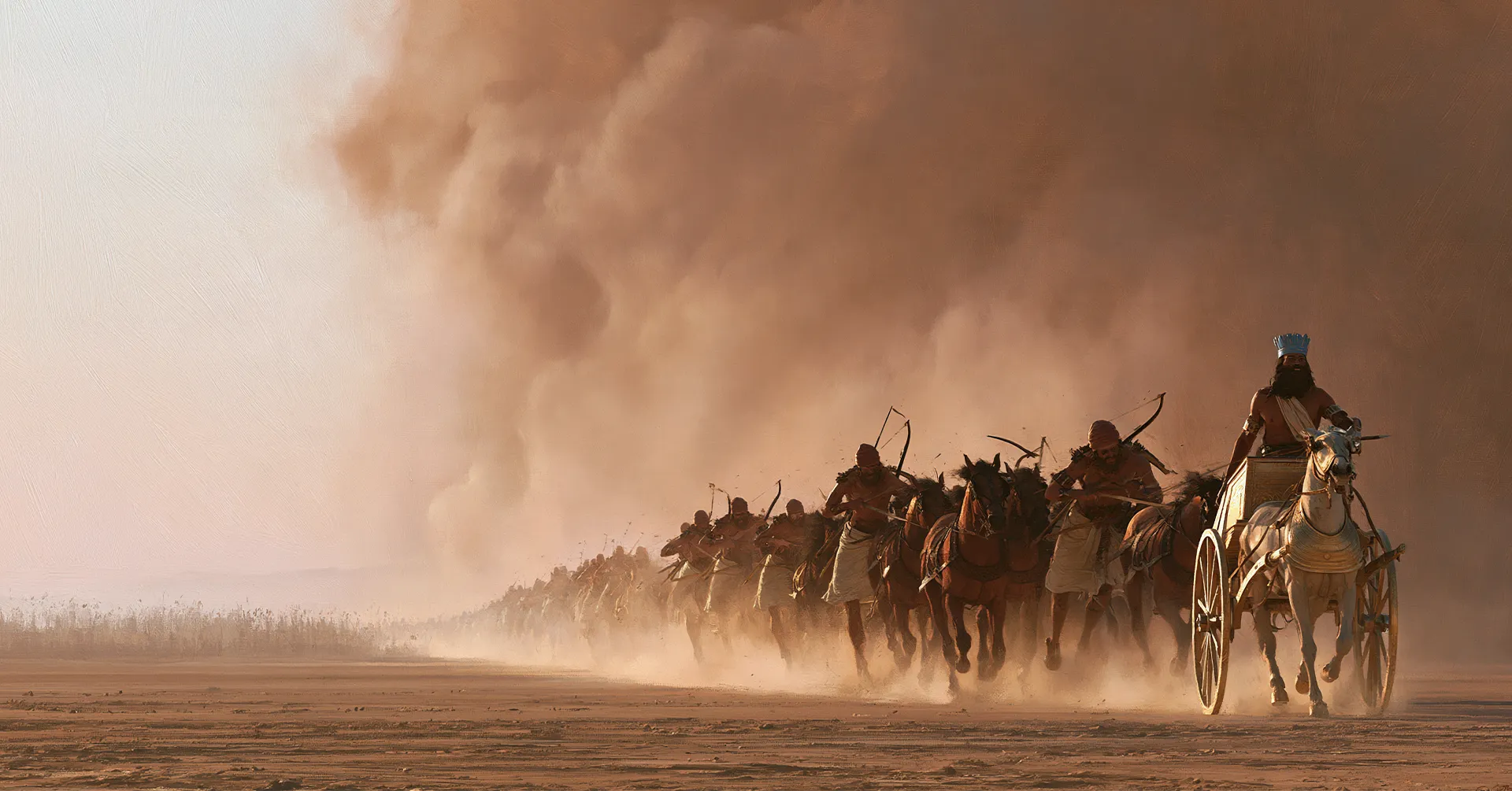
A king who had just released an entire captive population changed his mind within a matter of days. Exodus 14:5-8 records that when Pharaoh was told the Israelites had officially fled, he and his royal officials experienced a sudden, catastrophic reversal. Looking at their empty construction sites and untended fields, they asked themselves what they ...
Israelites Feared Freedom More Than Egyptian Slavery
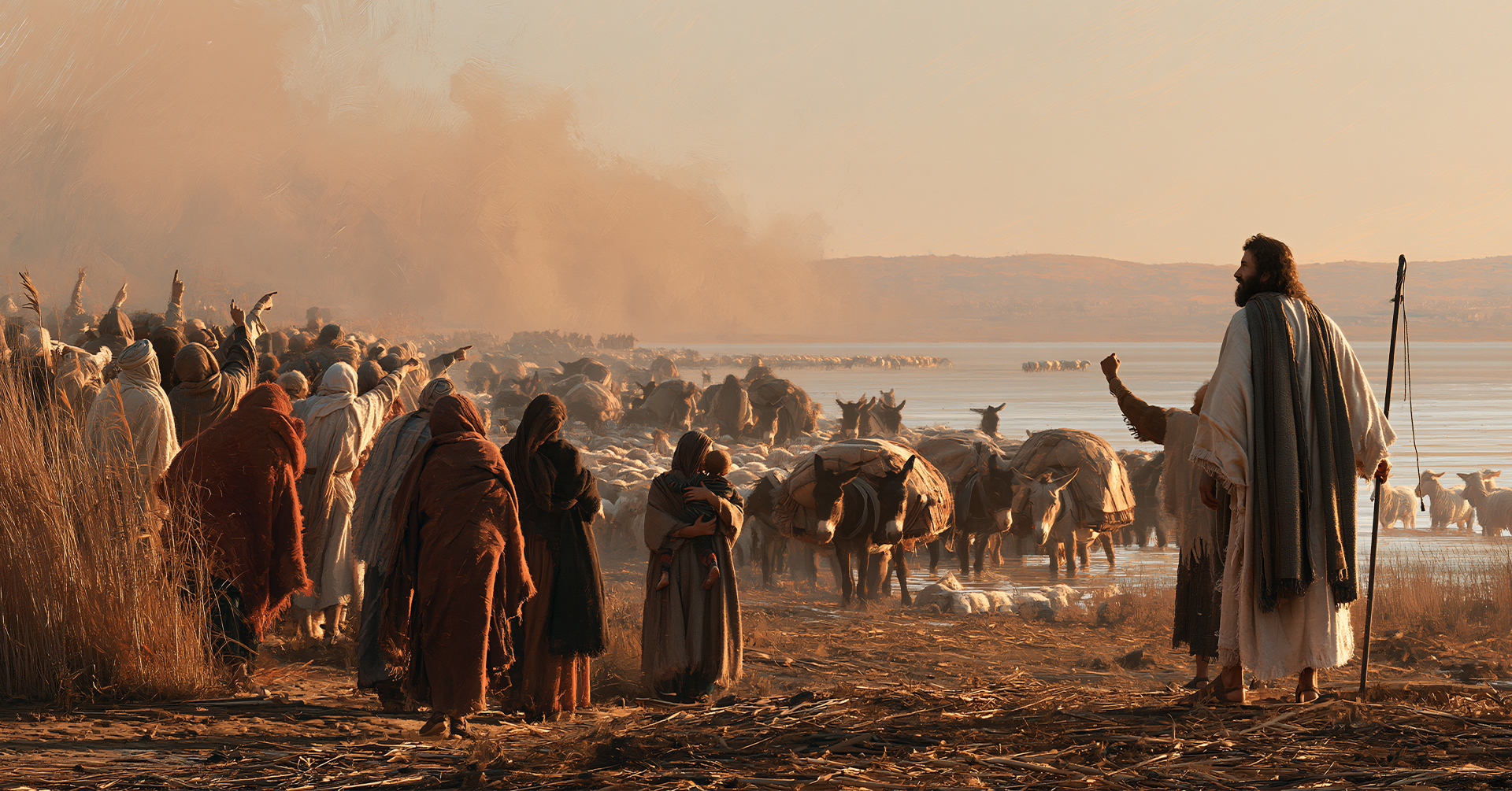
Freedom frightened the Israelites more than slavery did. Exodus 14:11-12 records exactly what the people said when the Egyptian chariots finally came into view on the horizon. Trapped between a massive body of water and an advancing military force, they turned on Moses and asked if there were no graves in Egypt that he had ...
The Silent Erasure of Pharaoh’s Army in Exodus 14
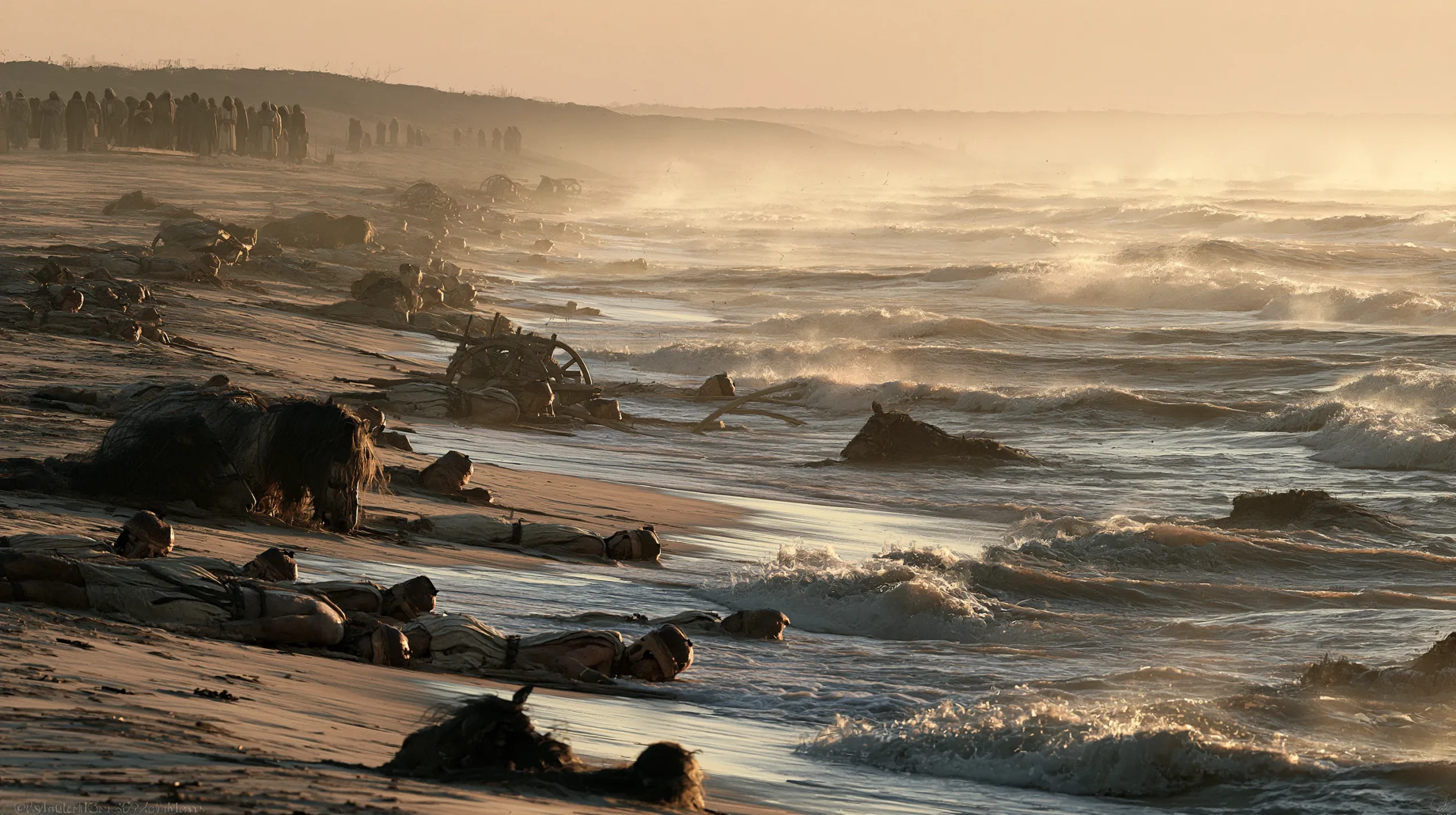
Exodus 14 ends with an army erased. The biblical account describes the Egyptians pursuing the Israelites into the sea, committing all of Pharaoh’s horses, chariots, and horsemen to the chase. When the water returned, it covered them so completely that not one of them remained. The setting is Egypt’s eastern frontier during the age of ...
The Smiting Pose of Egyptian Kings: A Duty, Not a Battle
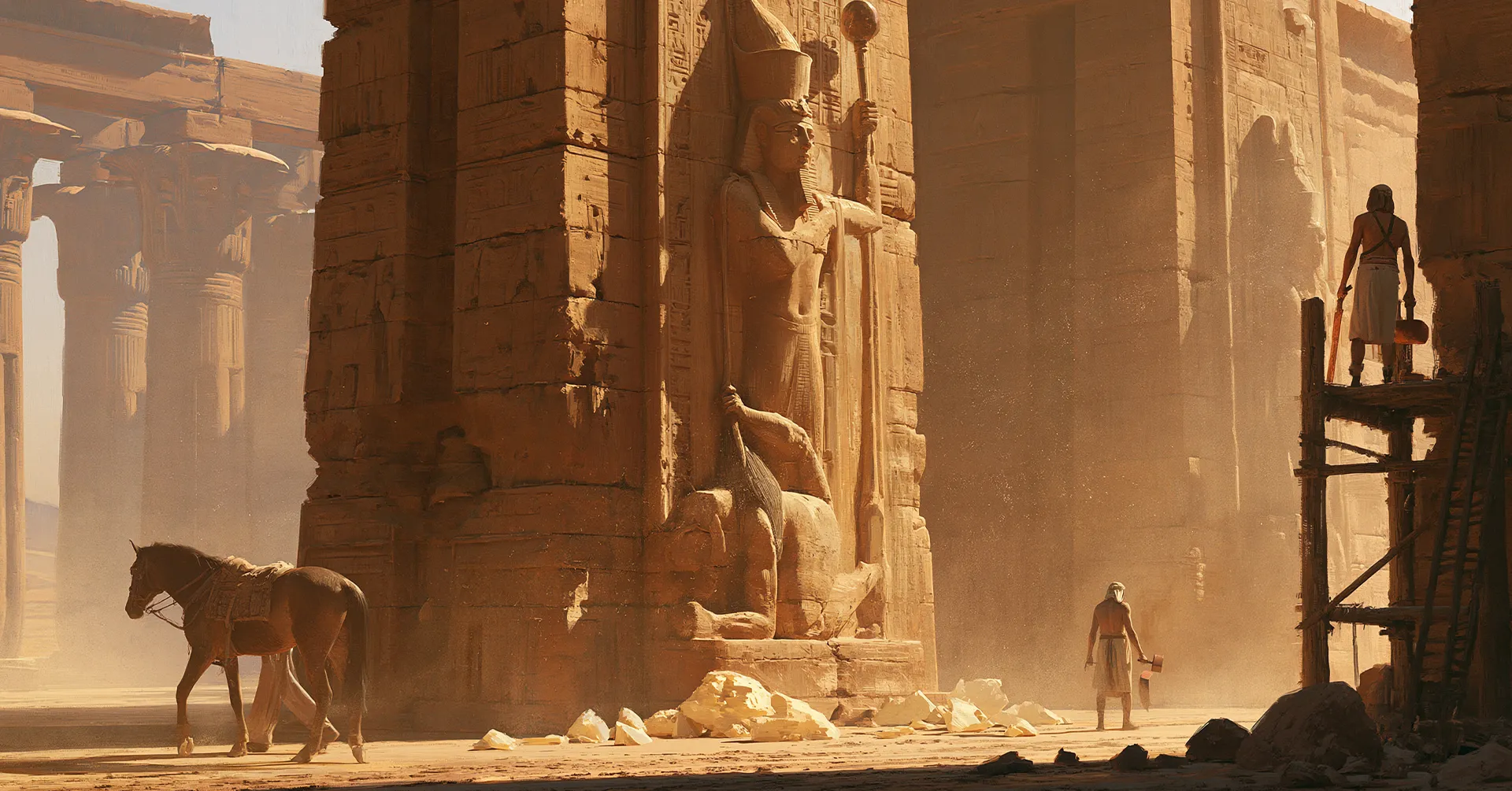
A king with a raised arm gripping a bound enemy by the hair is one of the most repeated pictures in Egyptian art. At Qantir, in the Nile Delta of Egypt, the palace of Ramesses II was decorated with images of defeated enemies in the thirteenth century BCE. Several scholars read the smiting scene less ...
![Validate my RSS feed [Valid RSS]](https://validator.w3.org/feed/images/valid-rss-rogers.png)