stat counters
Ermal Shala

Ermal Shala

Ermal Shala edits The Ancientzen, a small library of long-form history and Archaeology. The pieces reconstruct artifacts, lost cities, ancient texts, and the night sky from the public record — and label reconstructions so they are not mistaken for photographs. Published by Ancientzen LLC.
https://theancientzen.com

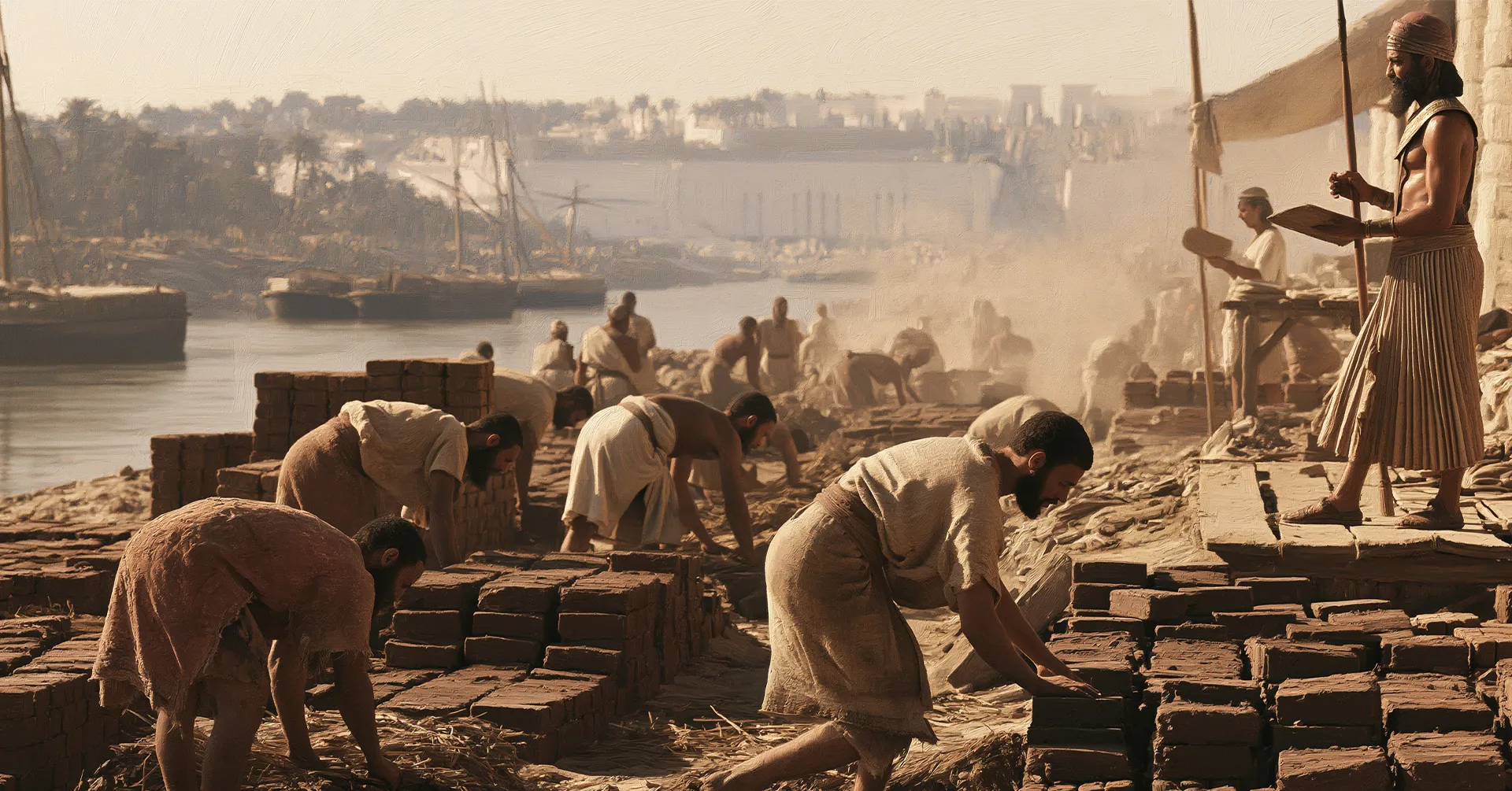
Workers tread clay in a riverside brickyard as an overseer watches, 13th century BCE

Raamses in Exodus 1:11: Which Egyptian City Does It Match?

Exodus 1:11 names two cities that Israelite forced labour is said to have built, Pithom and Raamses, yet it never says where either stood. For decades the answer for Raamses seemed to lie at Tanis in the Nile Delta of Egypt, until archaeologists saw that Tanis had been built partly from the stones of another ...

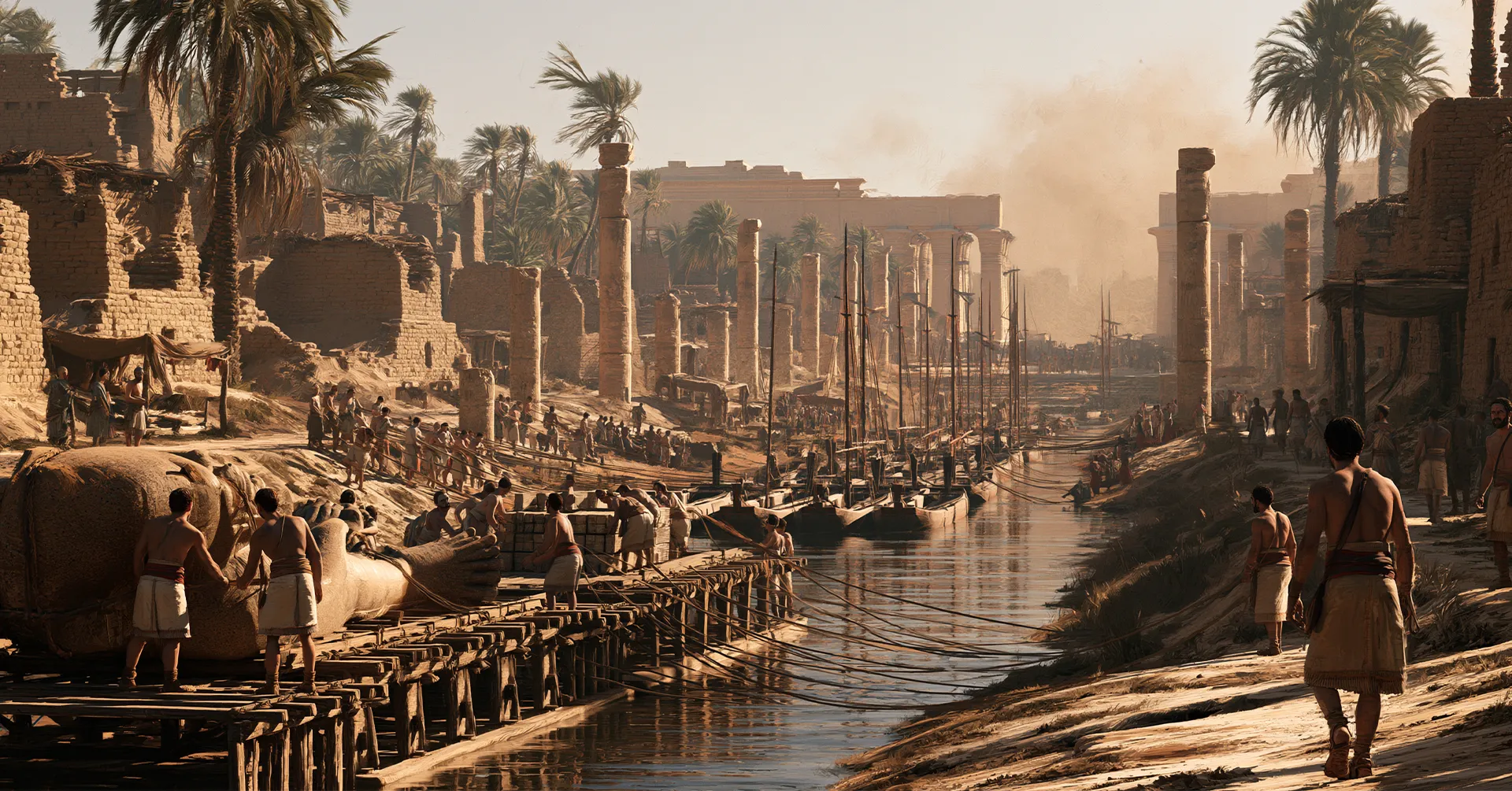
Masons lower a colossal granite statue onto timber sledges beside a canal, around 1000 BCE

Pi-Ramesses Taken Apart: How Its Stones Ended Up in Tanis

Ramesses II built his capital, Pi-Ramesses, in the eastern Nile Delta of Egypt, and within about two centuries of his death it was being taken apart. Its stones went to Tanis, about 20 km to the north, where later kings used them to build a younger capital. Archaeologists sorted this out only in the twentieth ...

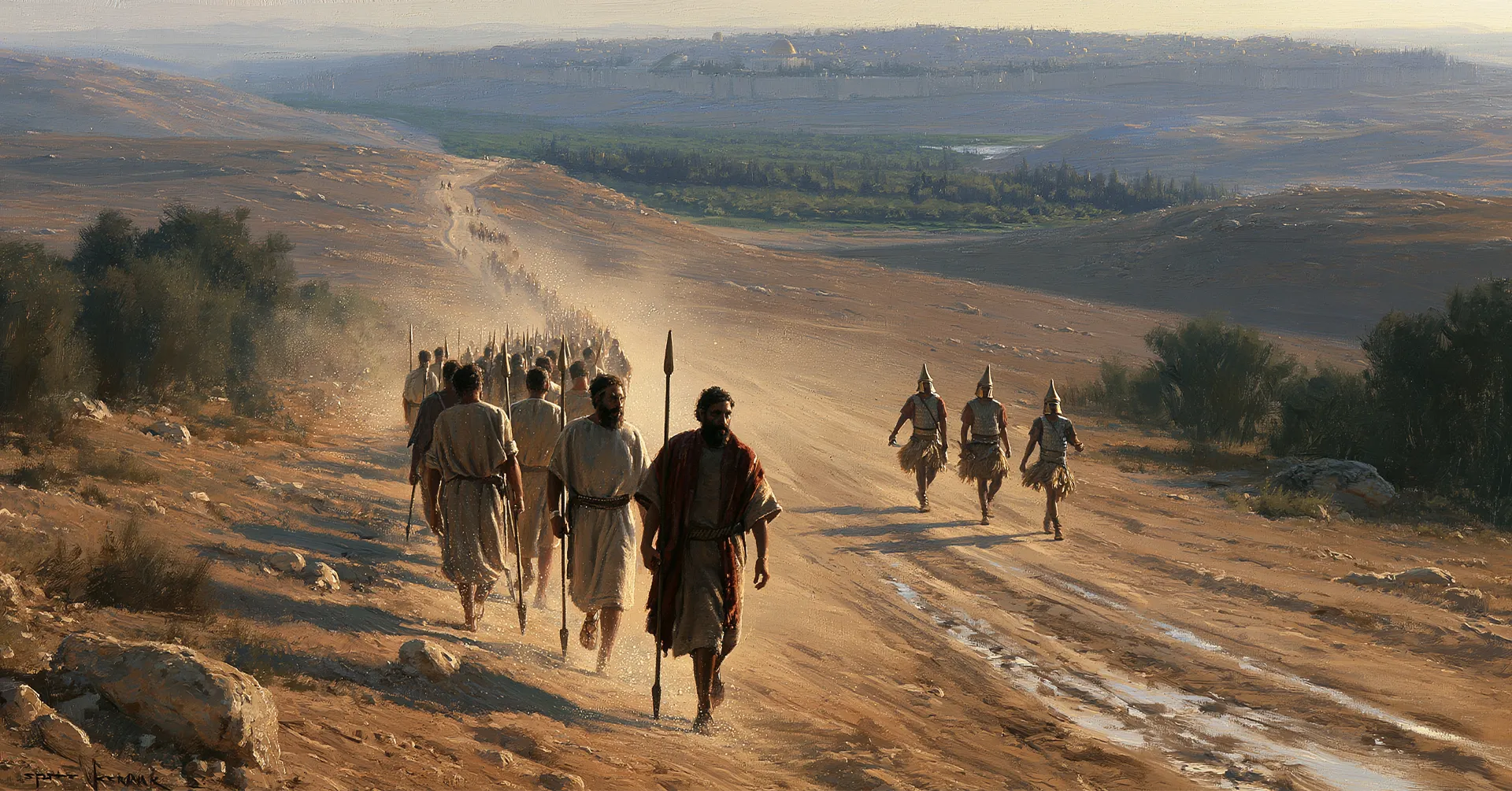
A small column marches north across a plateau toward a distant oasis, date unstated

The Chase to Hobah in Genesis 14: How Far Did Abram Go?

The chase in Genesis 14 runs a long way in two short verses. Verse 14 says Abram “pursued them unto Dan”, and verse 15 says he pursued them “unto Hobah, which is on the left hand of Damascus”. The text gives no date and no timeline. This article sets out the two place names, measures ...

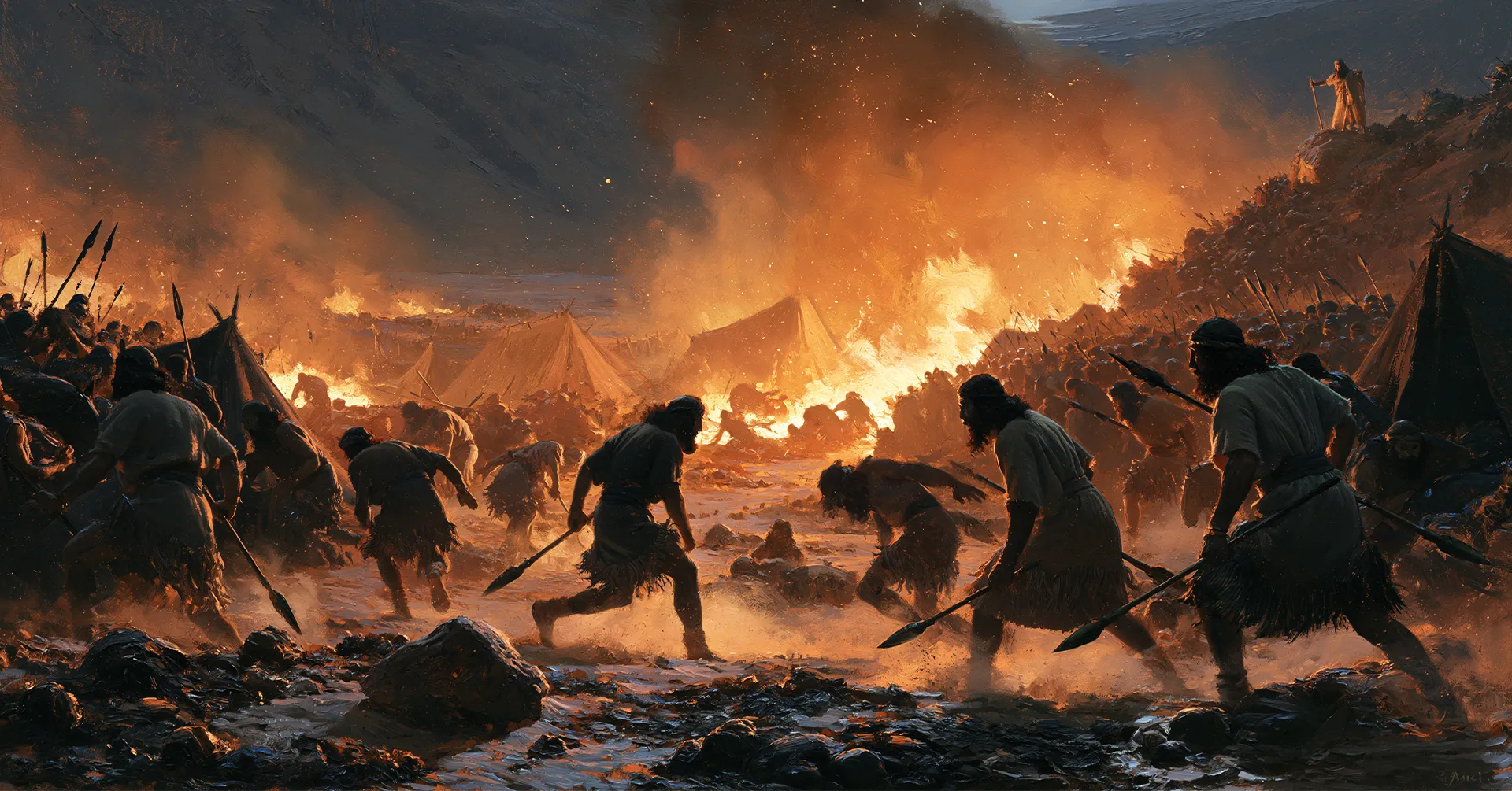
Armed men pour down on a sleeping camp from two sides by moonlight, date unstated

Abram’s Night Attack in Genesis 14: Risks and Rewards

Genesis 14:15 reports Abram’s attack on the invading kings in a single sentence. He “divided himself against them, he and his servants, by night”, struck them and pursued them “unto Hobah, which is on the left hand of Damascus”. The text gives no date, no account of the fighting and no list of losses. This ...

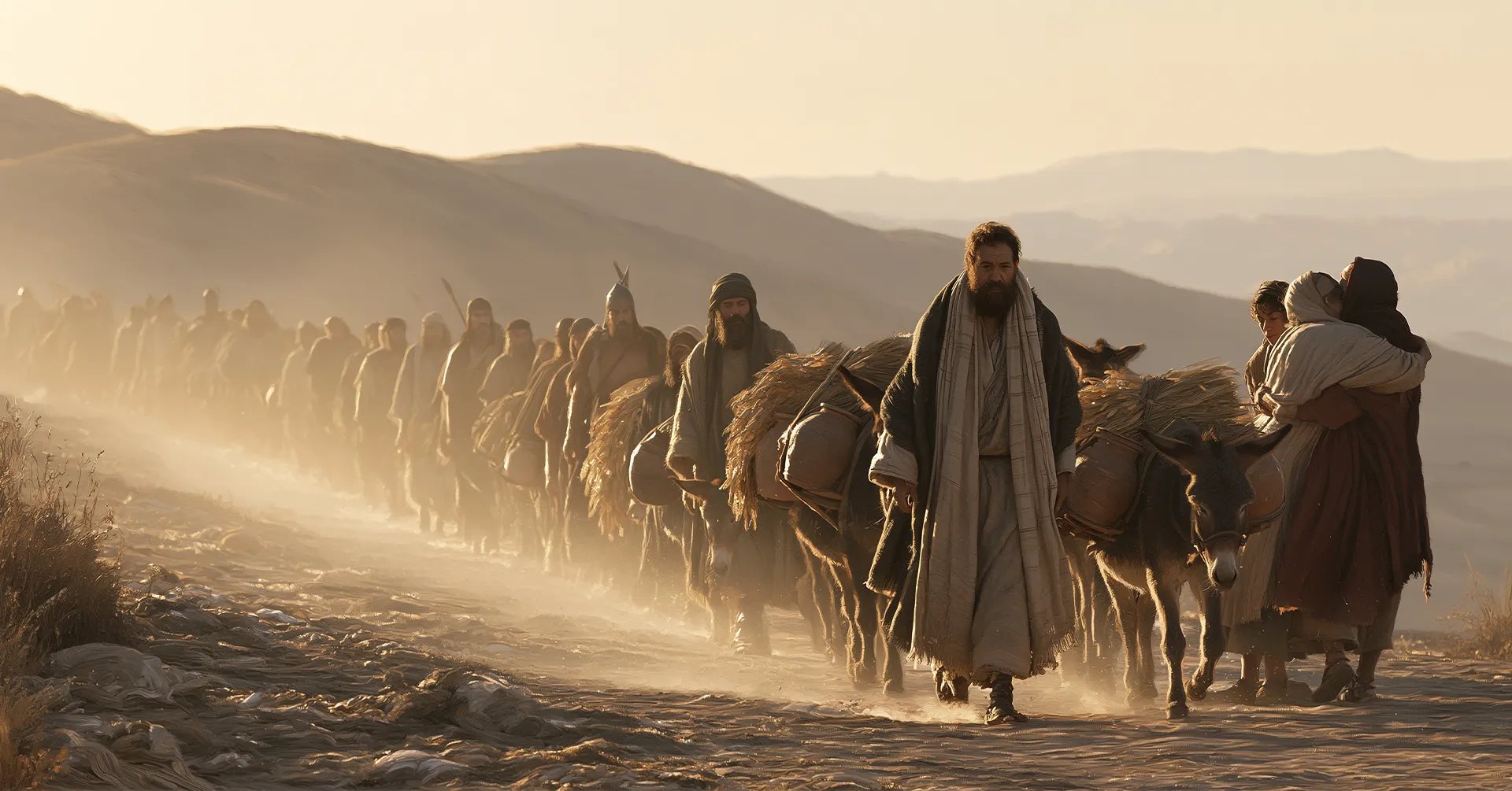
Rescued townspeople and laden donkeys walk a dawn hill road, date unstated

Spoils of War in Genesis 14: What Abram Brought Back

Genesis 14 shows spoil changing hands twice. The invading kings “took all the goods of Sodom and Gomorrah, and all their victuals” (14:11), and Abram, after defeating them, “brought back all the goods” and “brought again his brother Lot, and his goods”, with “the women also, and the people” (14:16). The text gives no date ...

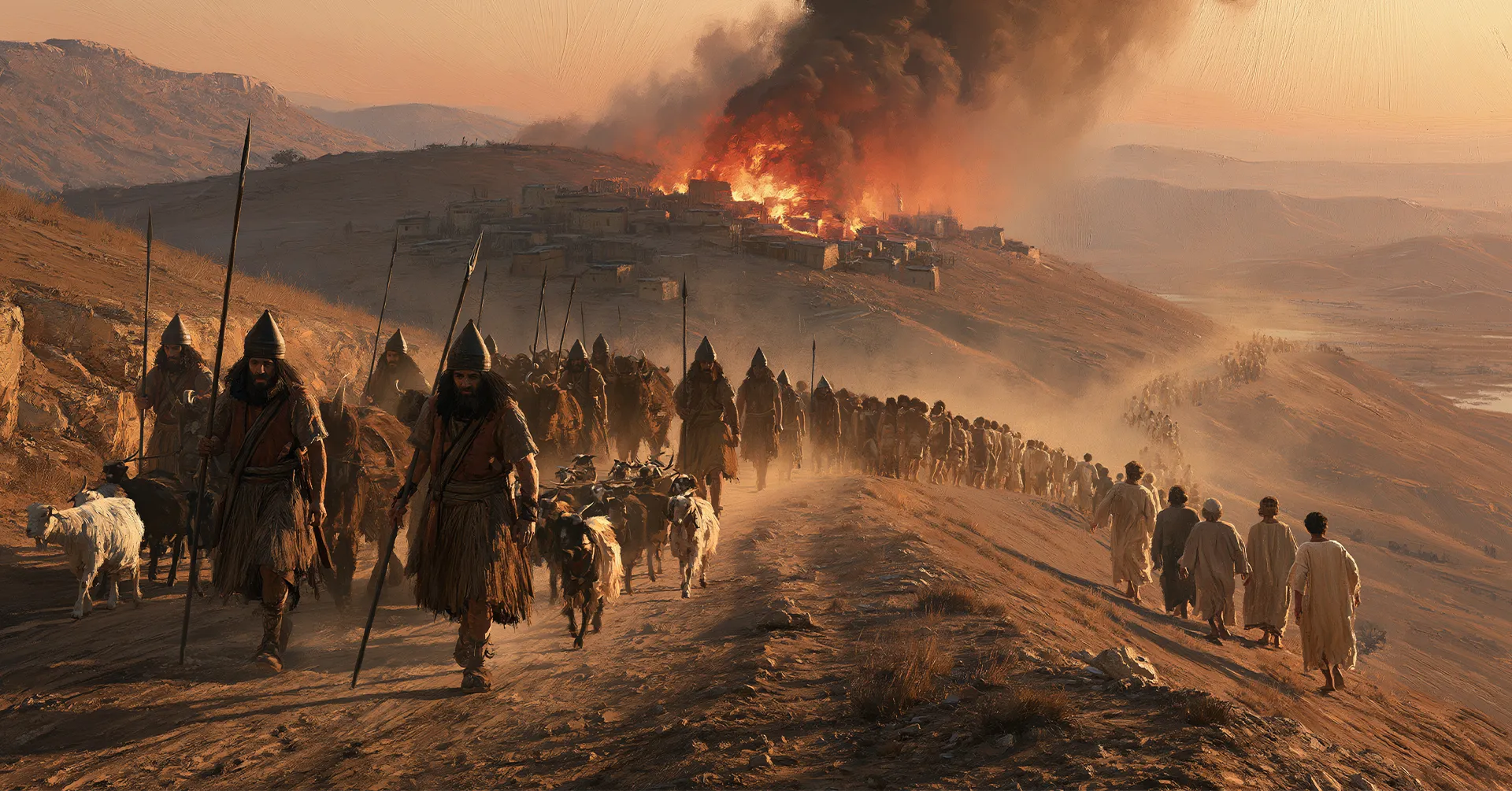
Spearmen drive goats and captives from a burning hill village, date unstated

Six Peoples Fell Before Sodom: The Long March in Genesis 14

Before the battle at the centre of Genesis 14 there is a long march. Verses 5-7 say Chedorlaomer and “the kings that were with him” struck six groups of people on a loop through Transjordan and the south: the Rephaim, the Zuzim, the Emim, the Horites, “all the country of the Amalekites” and the Amorites ...

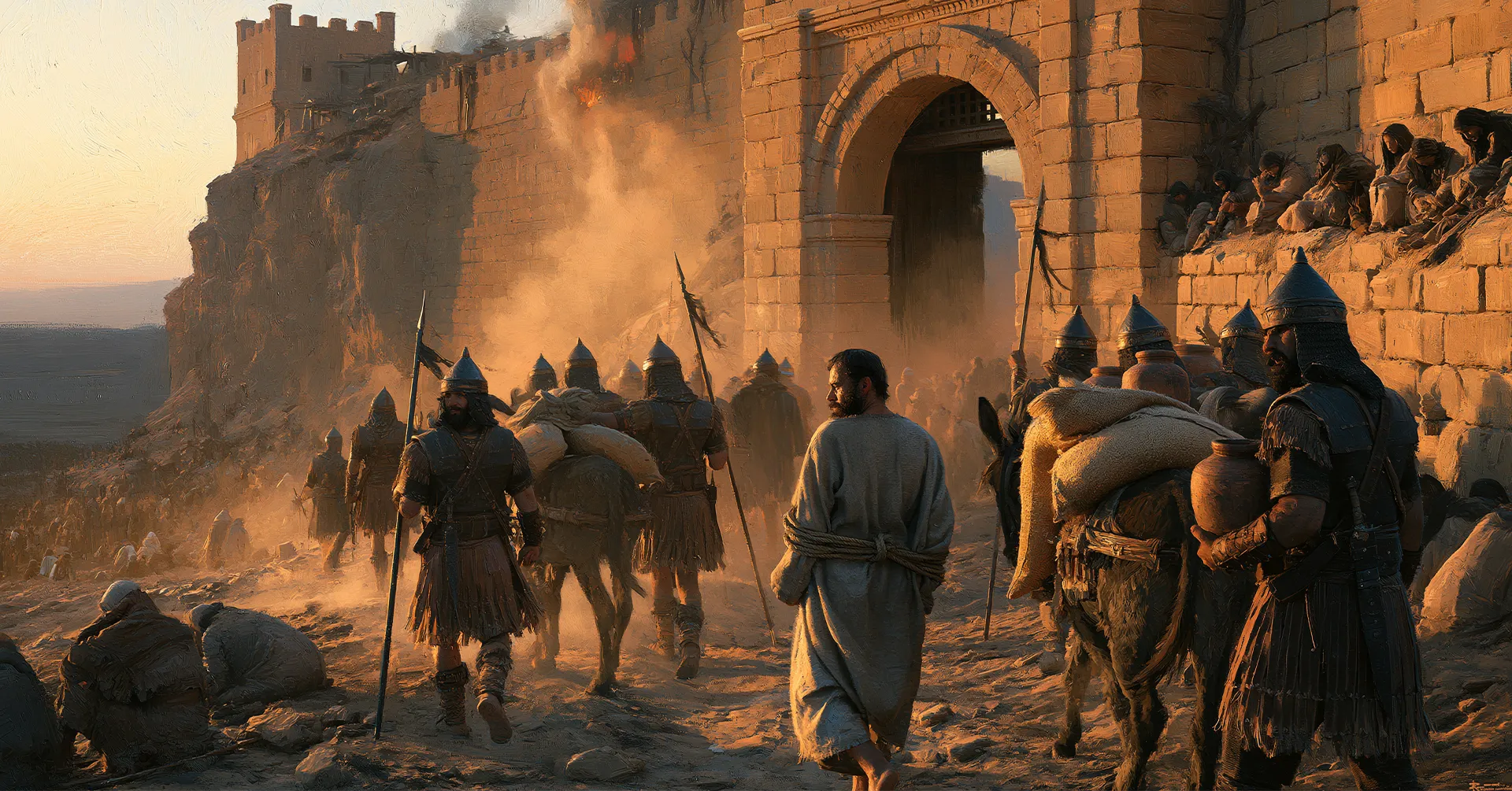
Soldiers load donkeys at Sodom’s plundered gate as a bound man is led away, date unstated

Lot Was Taken as Loot: Genesis 14 and the Plunder of Sodom

Genesis 14 records a defeated city’s losses in two short verses. The invading kings “took all the goods of Sodom and Gomorrah, and all their victuals”, and they “took Lot, Abram’s brother’s son, who dwelt in Sodom, and his goods” (14:11-12). The text gives no date, no number of captives and no reason for Lot’s ...

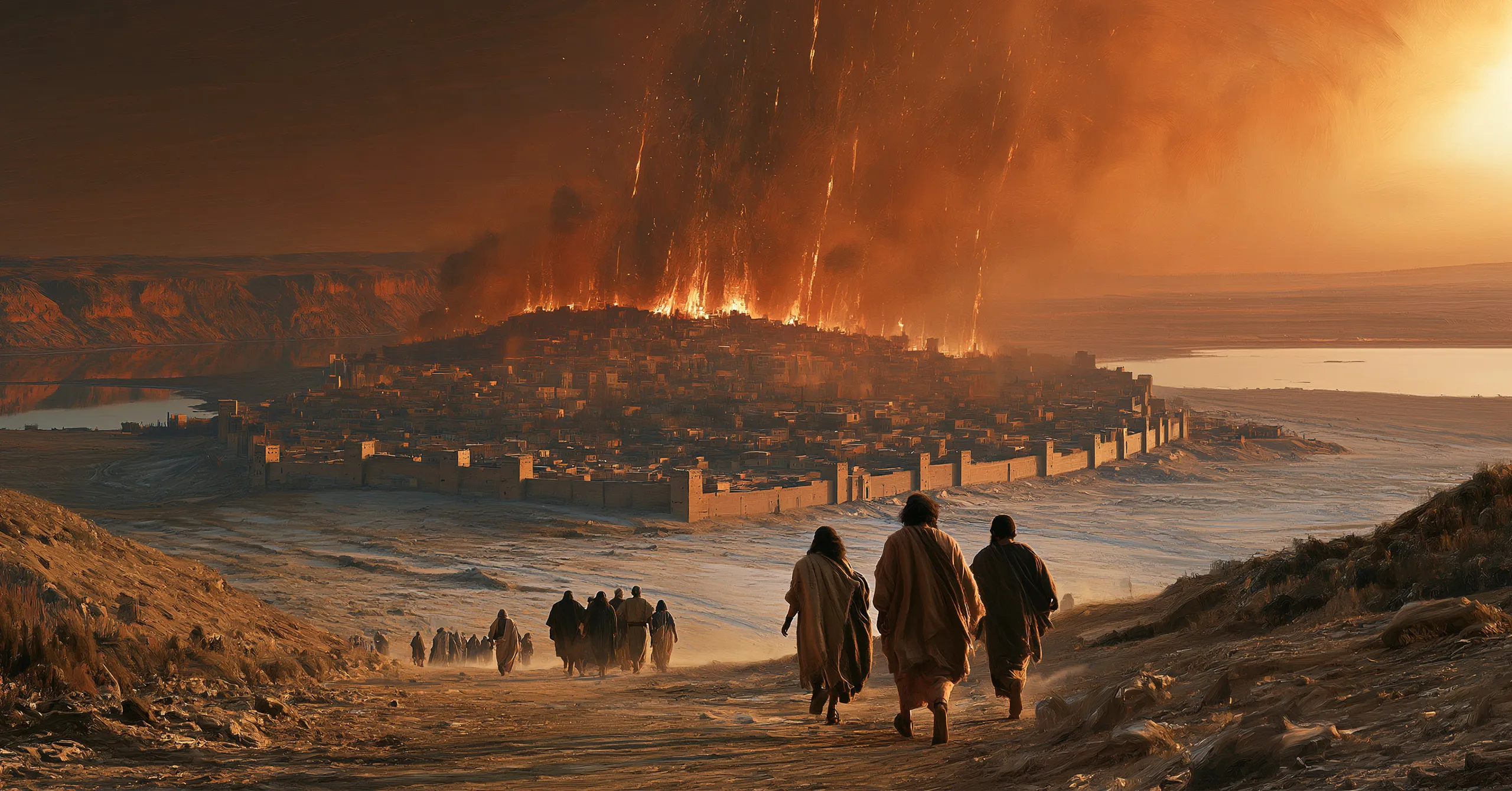
Fire falls on a walled city by the Dead Sea as a group flees, date unstated

Sodom and Gomorrah: A Border Verse, a Ruin and a Lost Site

The cities of the plain appear twice in Genesis, first on a map and then in a ruin. Genesis 10:19 includes Sodom, Gomorrah, Admah and Zeboim in its description of the Canaanite border, and Genesis 19:24 says the LORD rained brimstone and fire on Sodom and Gomorrah. Where the cities stood is not known, and ...

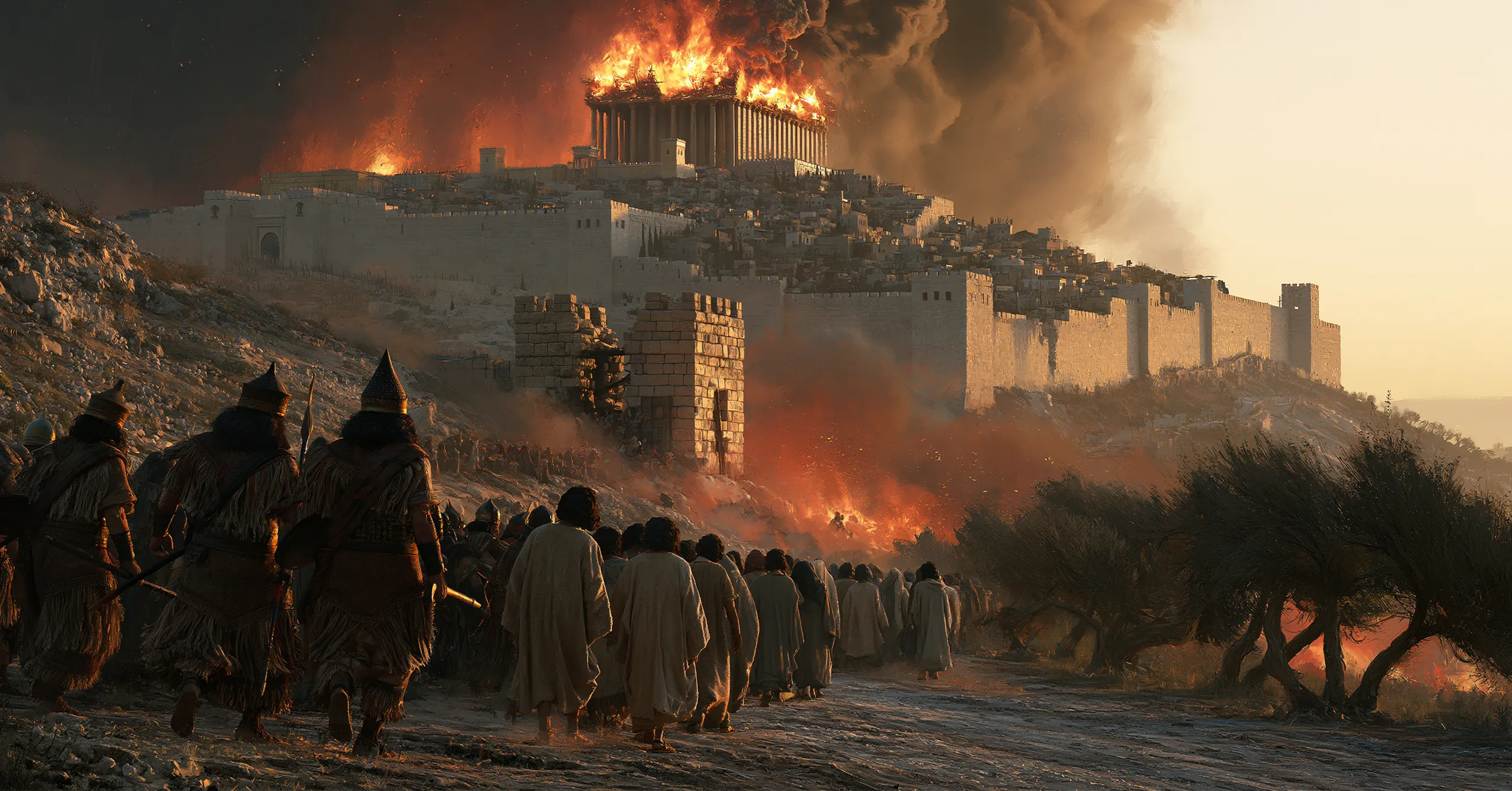
Babylonian soldiers breaking a gate tower as Jerusalem’s temple burns above the rooftops, 586 BCE

Babylon Burned Jerusalem in 586 BCE, and Psalm 137 Remembers

Babylon burned Jerusalem and its temple in 586 BCE, and the event left several kinds of record. The Bible tells it as history in 2 Kings 25 and as grief in Psalm 137, where the exiles weep by the rivers of Babylon. A Babylonian chronicle covers an earlier capture of the city, and excavations in ...

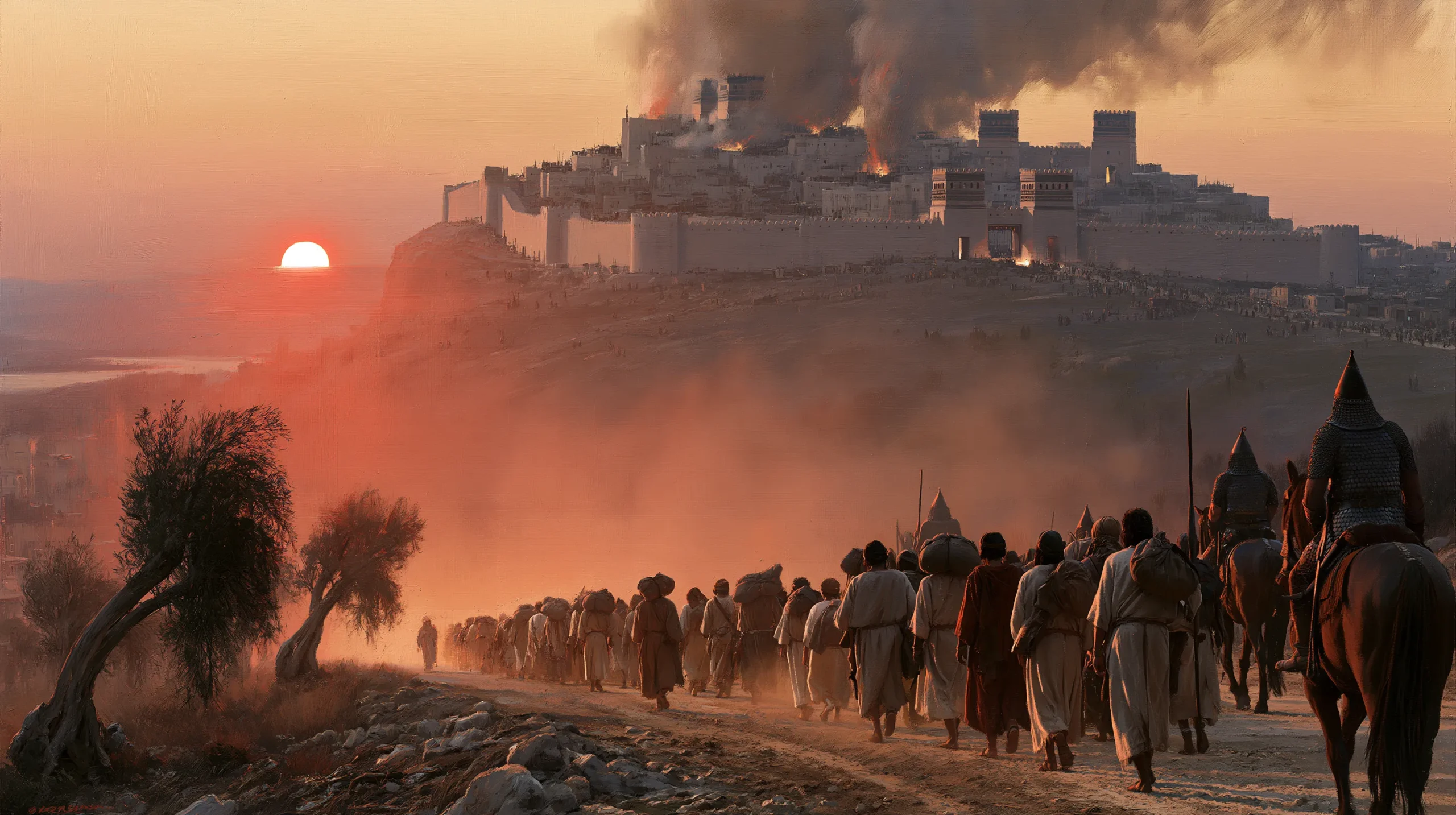
Assyrian officers overseeing townspeople leaving Samaria on a dusty road, around 722 BCE

The Fall of Samaria, 722 BCE: What the Bible and Assyria Say

Assyria destroyed the northern kingdom of Israel, and two sets of writers recorded it. The Bible tells the story in 2 Kings 17: a siege of Samaria, then the removal of the Israelites to other lands. Assyria’s own kings boast of the same conquest in royal inscriptions. Most scholars date the fall to around 722 ...

[Valid RSS]