stat counters

Category: Biblical History

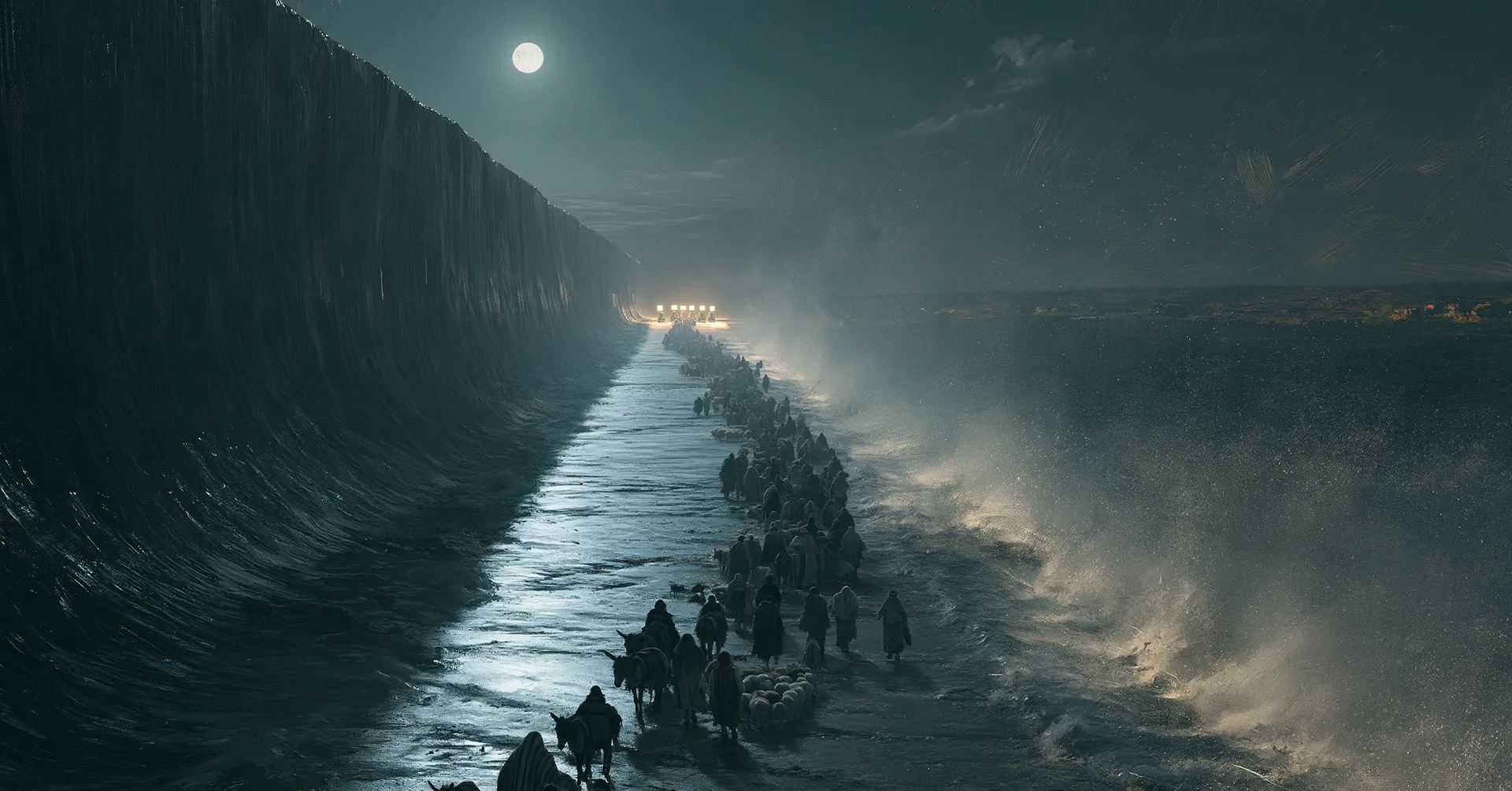
Corridor of bare wet ground between two towering dark walls of water under a moon, age of the Exodus, undated.

The Parted Sea’s Walls of Water Defy Natural Physics

Exodus 14:22 provides the most famous and enduring image of the ancient crossing, stating that the Israelites went into the sea on dry ground, with the waters forming a wall to them on their right hand and on their left. It is an incredibly striking visual—a narrow, traversable corridor framed by towering, unnatural cliffs of ...

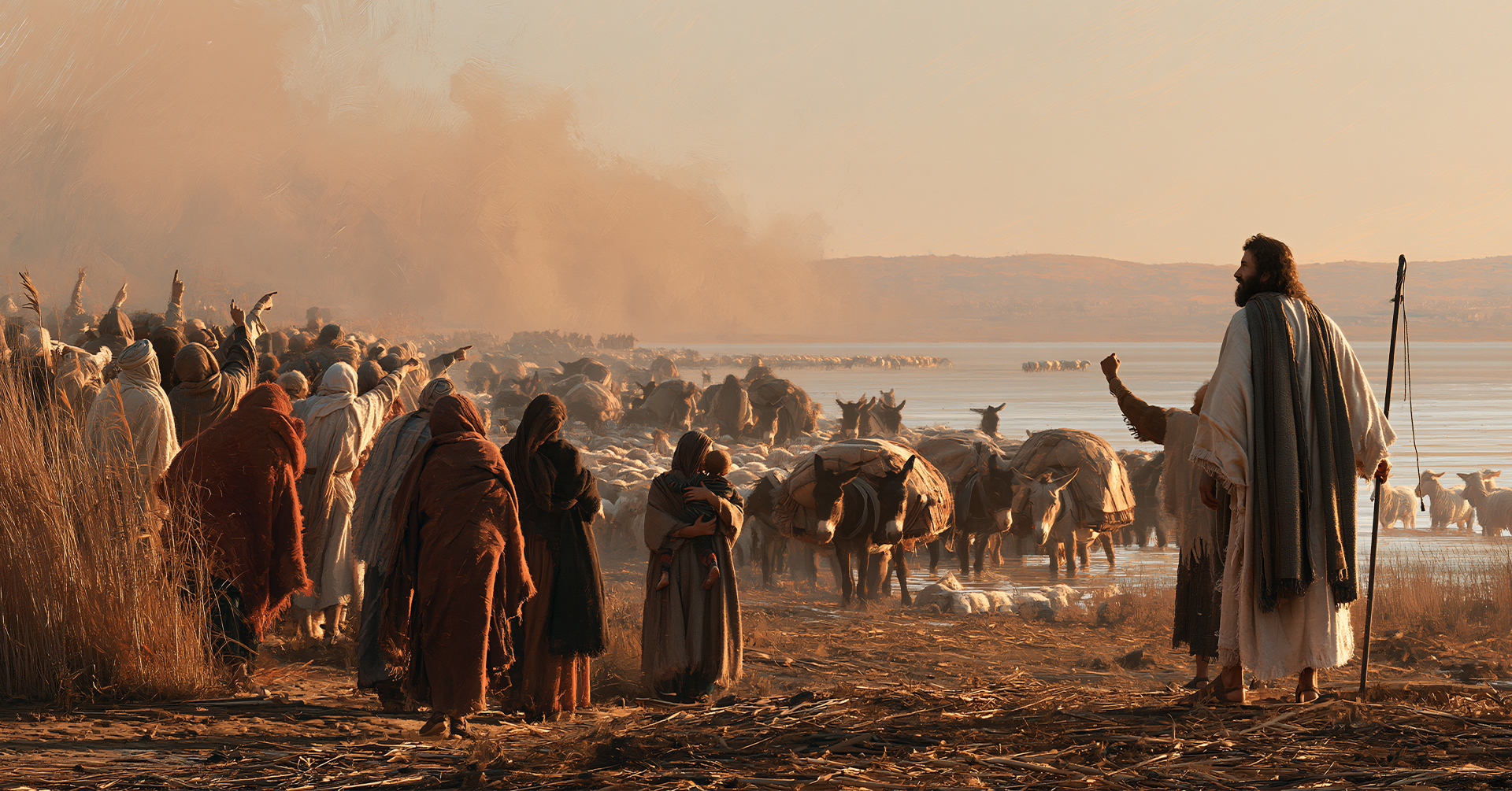
Terrified Israelites trapped in a coastal camp on Egypt's eastern frontier, age of the Exodus, undated.

Israelites Feared Freedom More Than Egyptian Slavery

Freedom frightened the Israelites more than slavery did. Exodus 14:11-12 records exactly what the people said when the Egyptian chariots finally came into view on the horizon. Trapped between a massive body of water and an advancing military force, they turned on Moses and asked if there were no graves in Egypt that he had ...

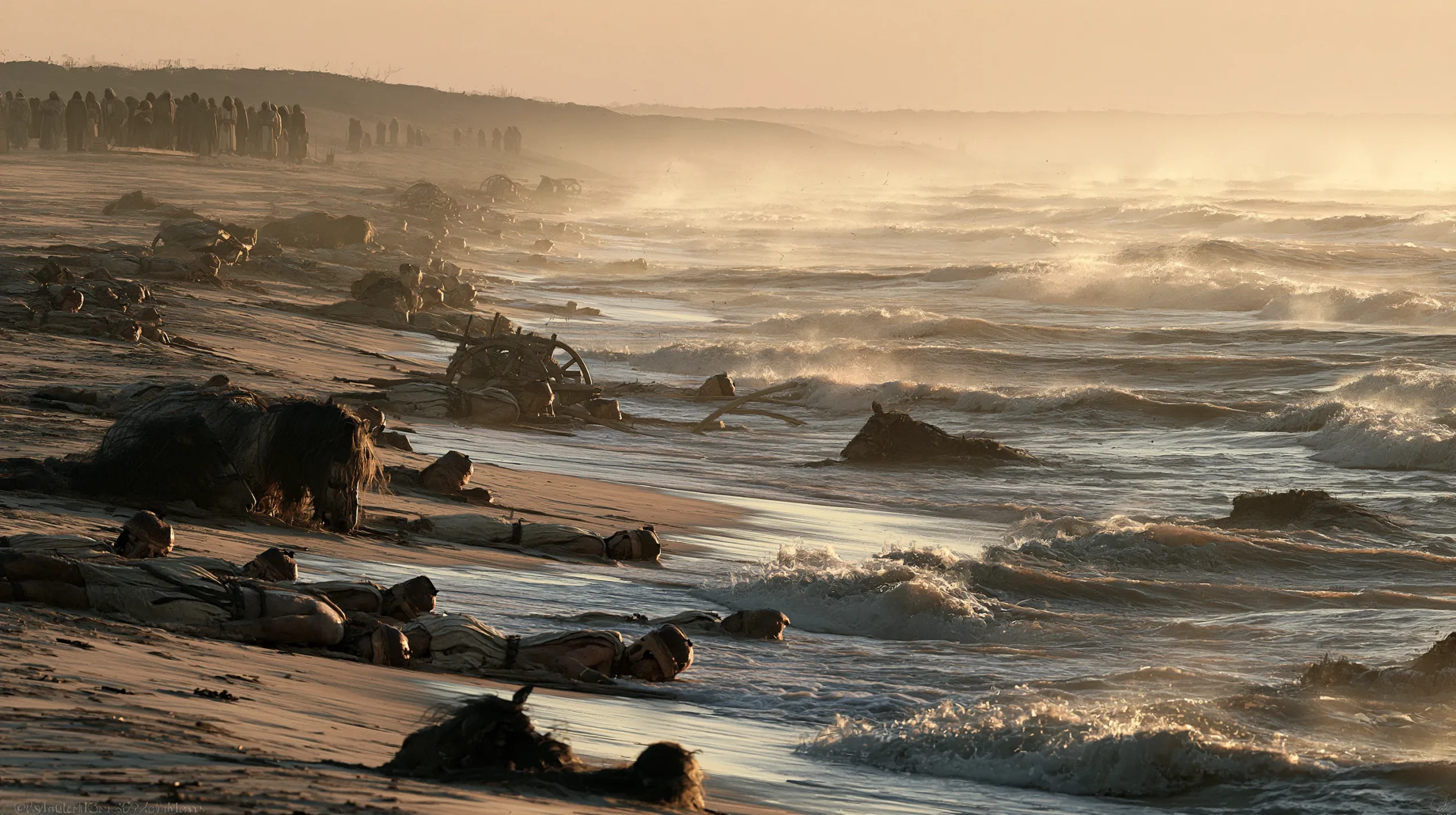
Wreckage of Egyptian charioteers and horses washed ashore at dawn, age of the Exodus, undated.

The Silent Erasure of Pharaoh’s Army in Exodus 14

Exodus 14 ends with an army erased. The biblical account describes the Egyptians pursuing the Israelites into the sea, committing all of Pharaoh’s horses, chariots, and horsemen to the chase. When the water returned, it covered them so completely that not one of them remained. The setting is Egypt’s eastern frontier during the age of ...

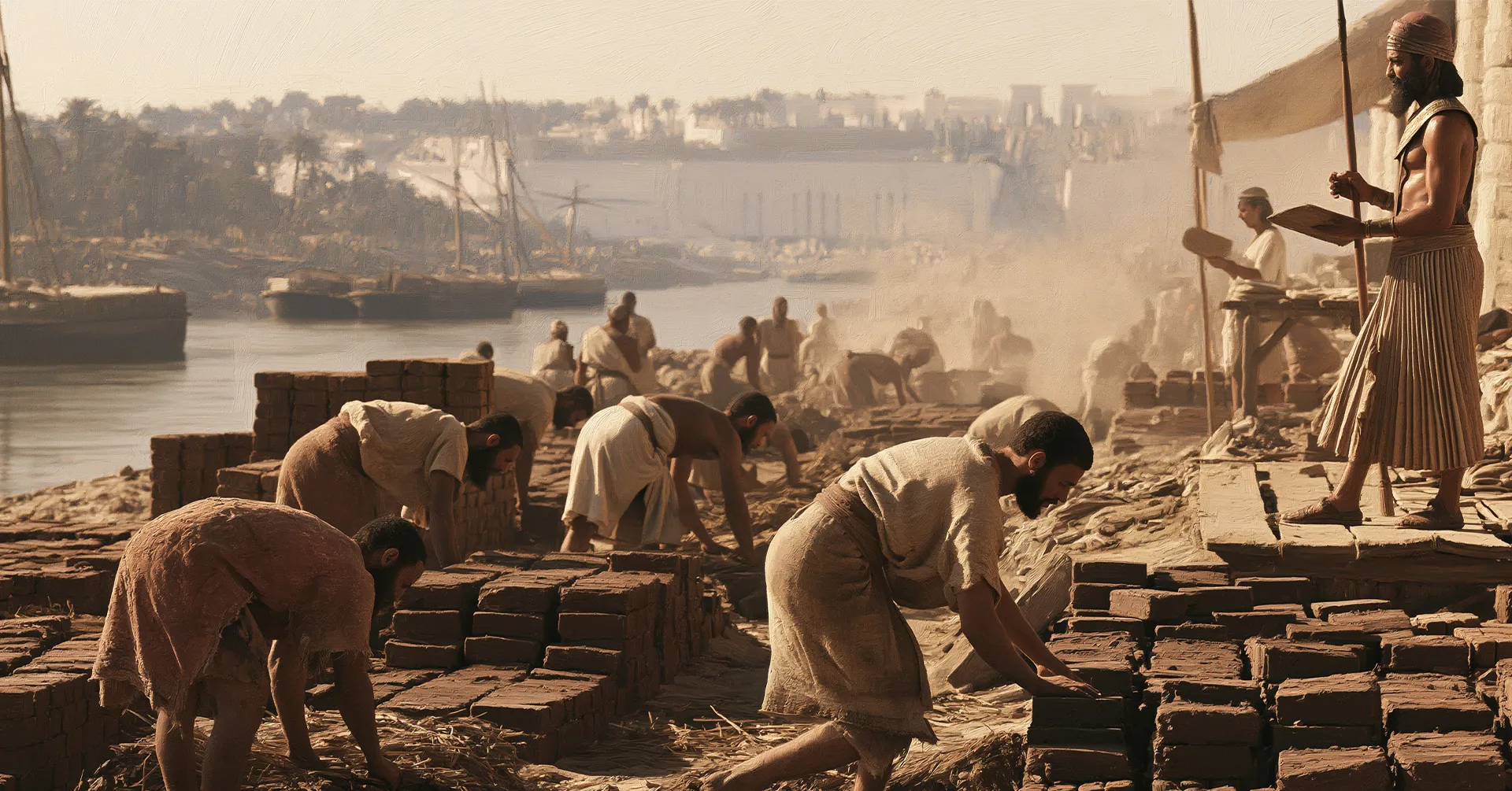
Workers tread clay in a riverside brickyard as an overseer watches, 13th century BCE

Raamses in Exodus 1:11: Which Egyptian City Does It Match?

Exodus 1:11 names two cities that Israelite forced labour is said to have built, Pithom and Raamses, yet it never says where either stood. For decades the answer for Raamses seemed to lie at Tanis in the Nile Delta of Egypt, until archaeologists saw that Tanis had been built partly from the stones of another ...

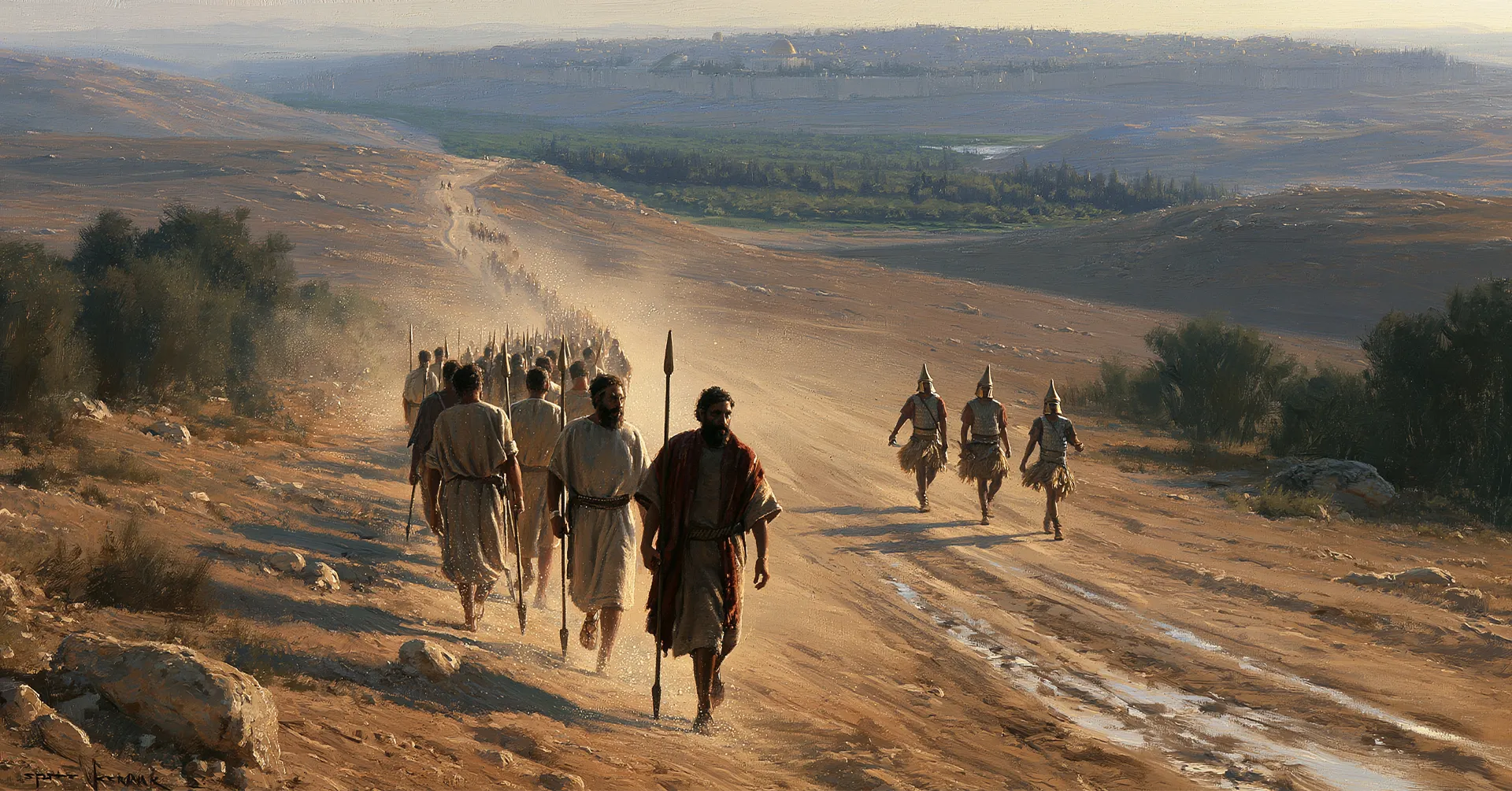
A small column marches north across a plateau toward a distant oasis, date unstated

The Chase to Hobah in Genesis 14: How Far Did Abram Go?

The chase in Genesis 14 runs a long way in two short verses. Verse 14 says Abram “pursued them unto Dan”, and verse 15 says he pursued them “unto Hobah, which is on the left hand of Damascus”. The text gives no date and no timeline. This article sets out the two place names, measures ...

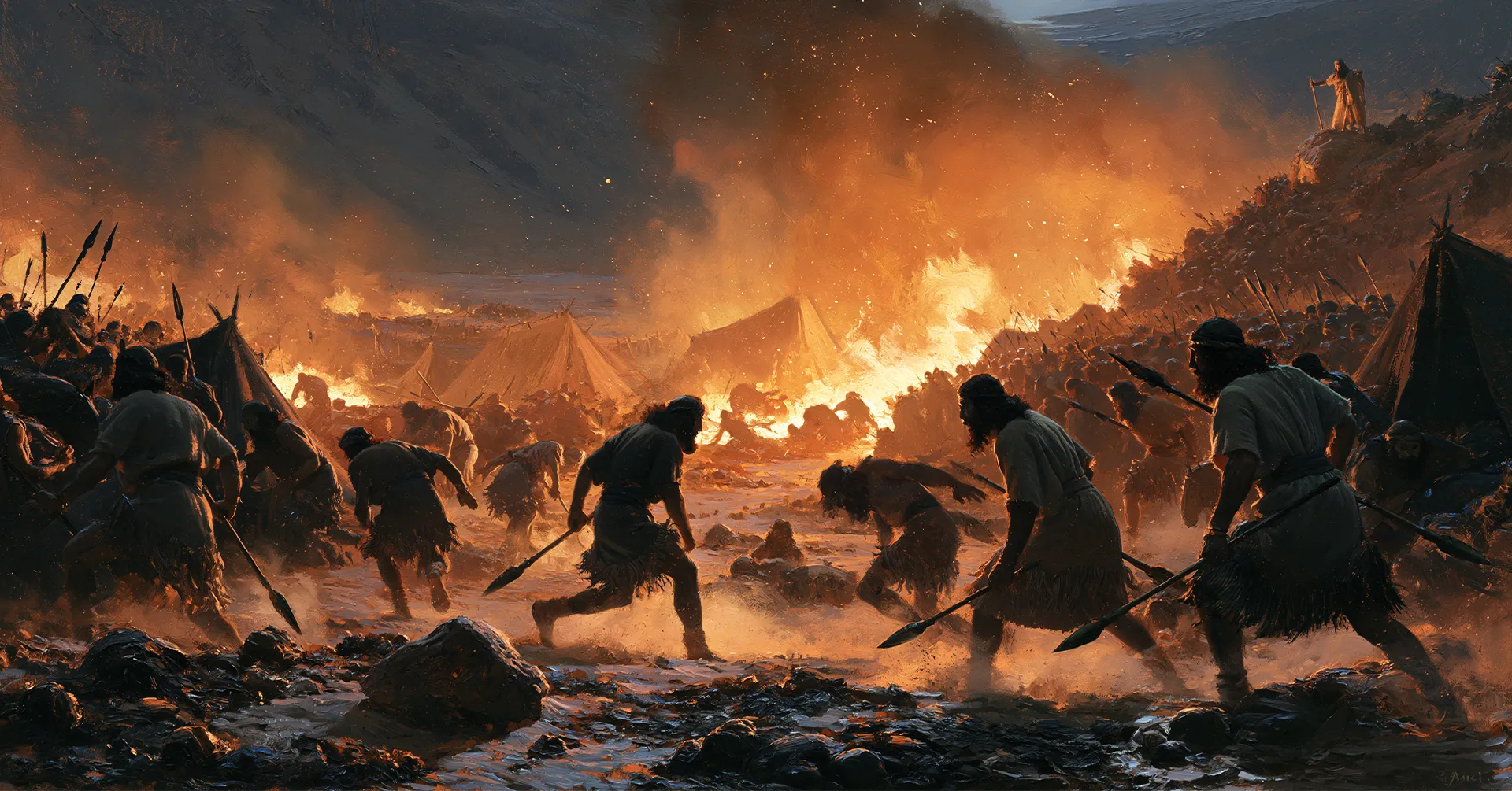
Armed men pour down on a sleeping camp from two sides by moonlight, date unstated

Abram’s Night Attack in Genesis 14: Risks and Rewards

Genesis 14:15 reports Abram’s attack on the invading kings in a single sentence. He “divided himself against them, he and his servants, by night”, struck them and pursued them “unto Hobah, which is on the left hand of Damascus”. The text gives no date, no account of the fighting and no list of losses. This ...

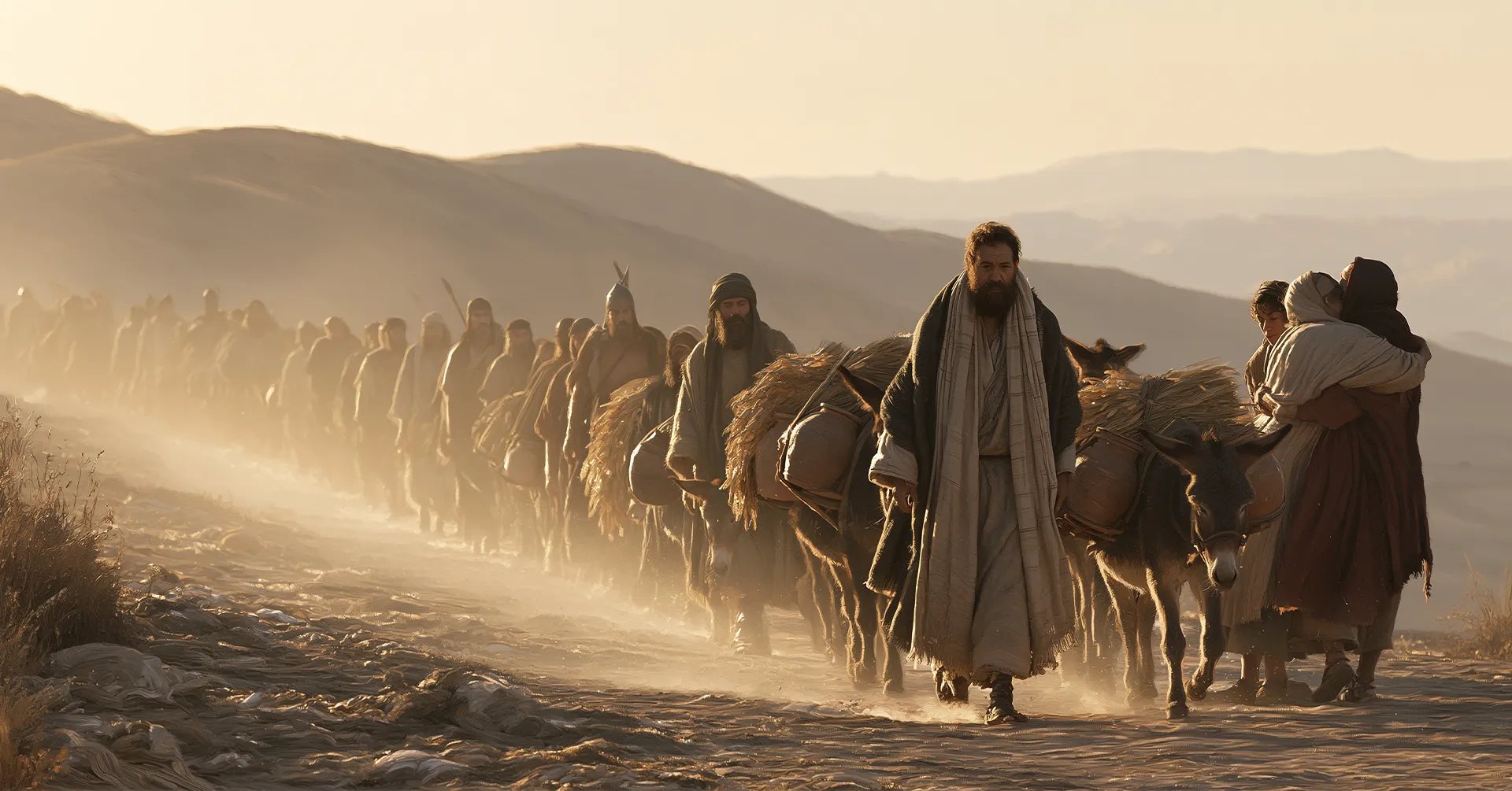
Rescued townspeople and laden donkeys walk a dawn hill road, date unstated

Spoils of War in Genesis 14: What Abram Brought Back

Genesis 14 shows spoil changing hands twice. The invading kings “took all the goods of Sodom and Gomorrah, and all their victuals” (14:11), and Abram, after defeating them, “brought back all the goods” and “brought again his brother Lot, and his goods”, with “the women also, and the people” (14:16). The text gives no date ...

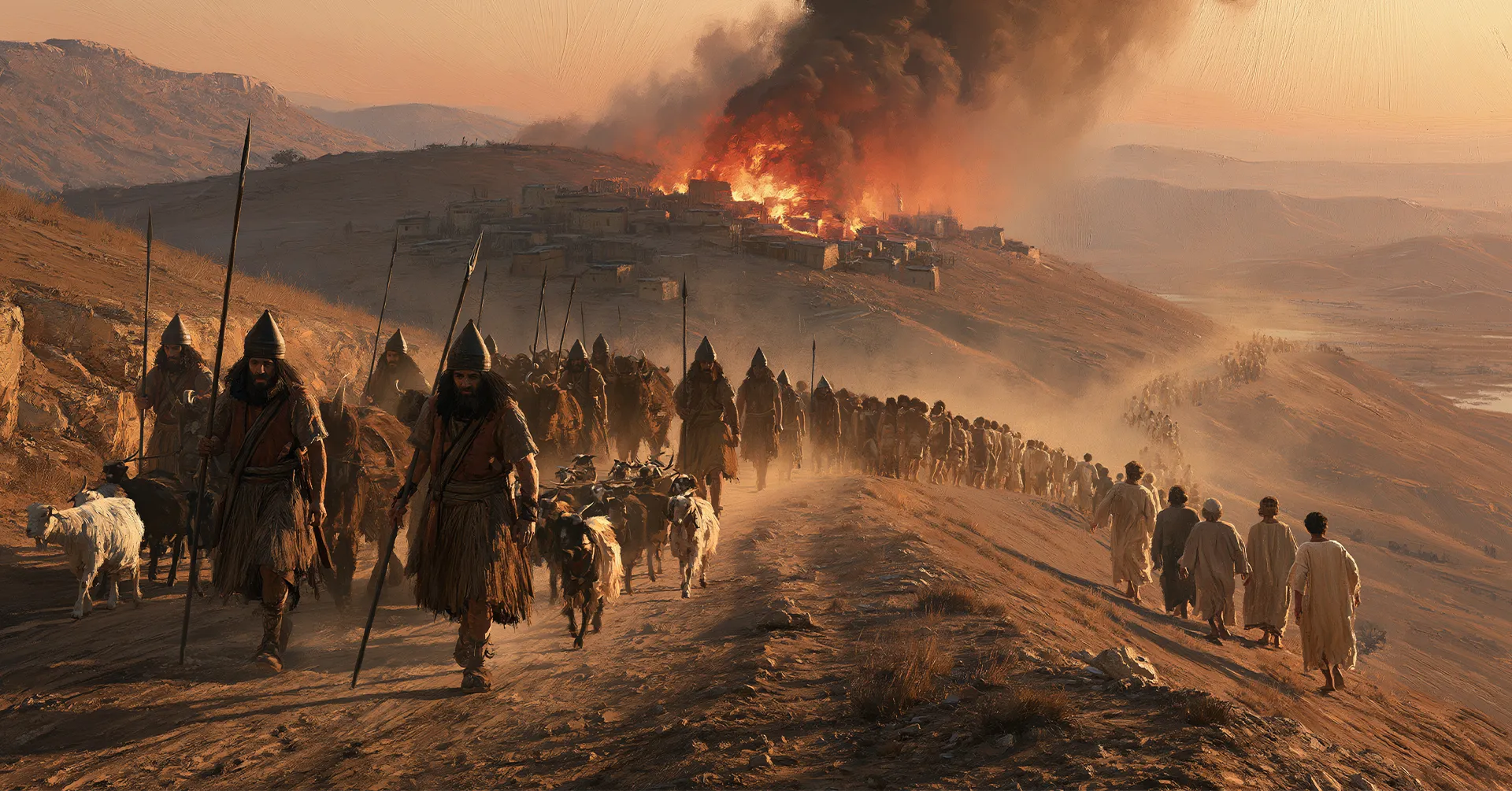
Spearmen drive goats and captives from a burning hill village, date unstated

Six Peoples Fell Before Sodom: The Long March in Genesis 14

Before the battle at the centre of Genesis 14 there is a long march. Verses 5-7 say Chedorlaomer and “the kings that were with him” struck six groups of people on a loop through Transjordan and the south: the Rephaim, the Zuzim, the Emim, the Horites, “all the country of the Amalekites” and the Amorites ...

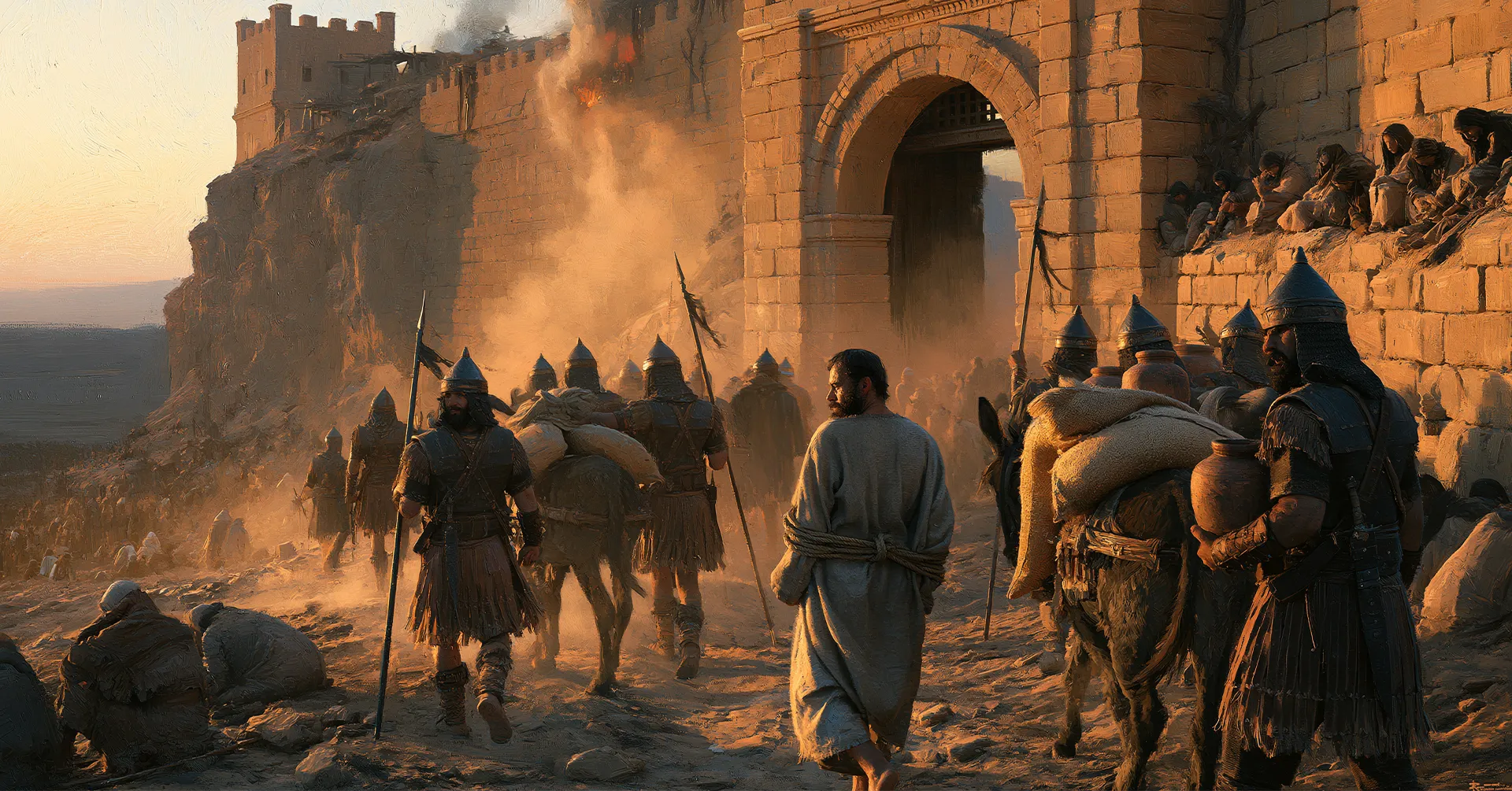
Soldiers load donkeys at Sodom’s plundered gate as a bound man is led away, date unstated

Lot Was Taken as Loot: Genesis 14 and the Plunder of Sodom

Genesis 14 records a defeated city’s losses in two short verses. The invading kings “took all the goods of Sodom and Gomorrah, and all their victuals”, and they “took Lot, Abram’s brother’s son, who dwelt in Sodom, and his goods” (14:11-12). The text gives no date, no number of captives and no reason for Lot’s ...

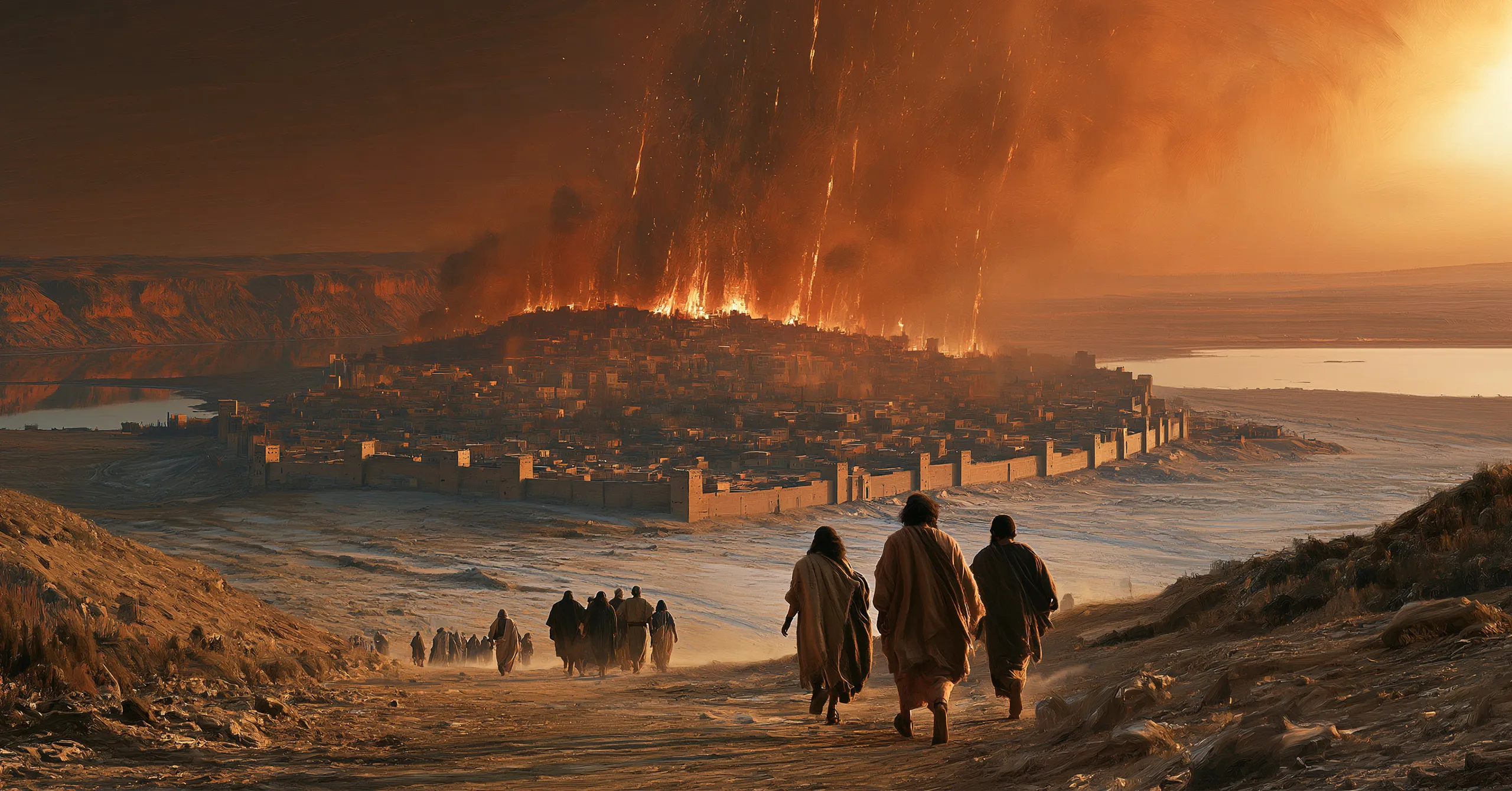
Fire falls on a walled city by the Dead Sea as a group flees, date unstated

Sodom and Gomorrah: A Border Verse, a Ruin and a Lost Site

The cities of the plain appear twice in Genesis, first on a map and then in a ruin. Genesis 10:19 includes Sodom, Gomorrah, Admah and Zeboim in its description of the Canaanite border, and Genesis 19:24 says the LORD rained brimstone and fire on Sodom and Gomorrah. Where the cities stood is not known, and ...

[Valid RSS]