stat counters

Category: Biblical History

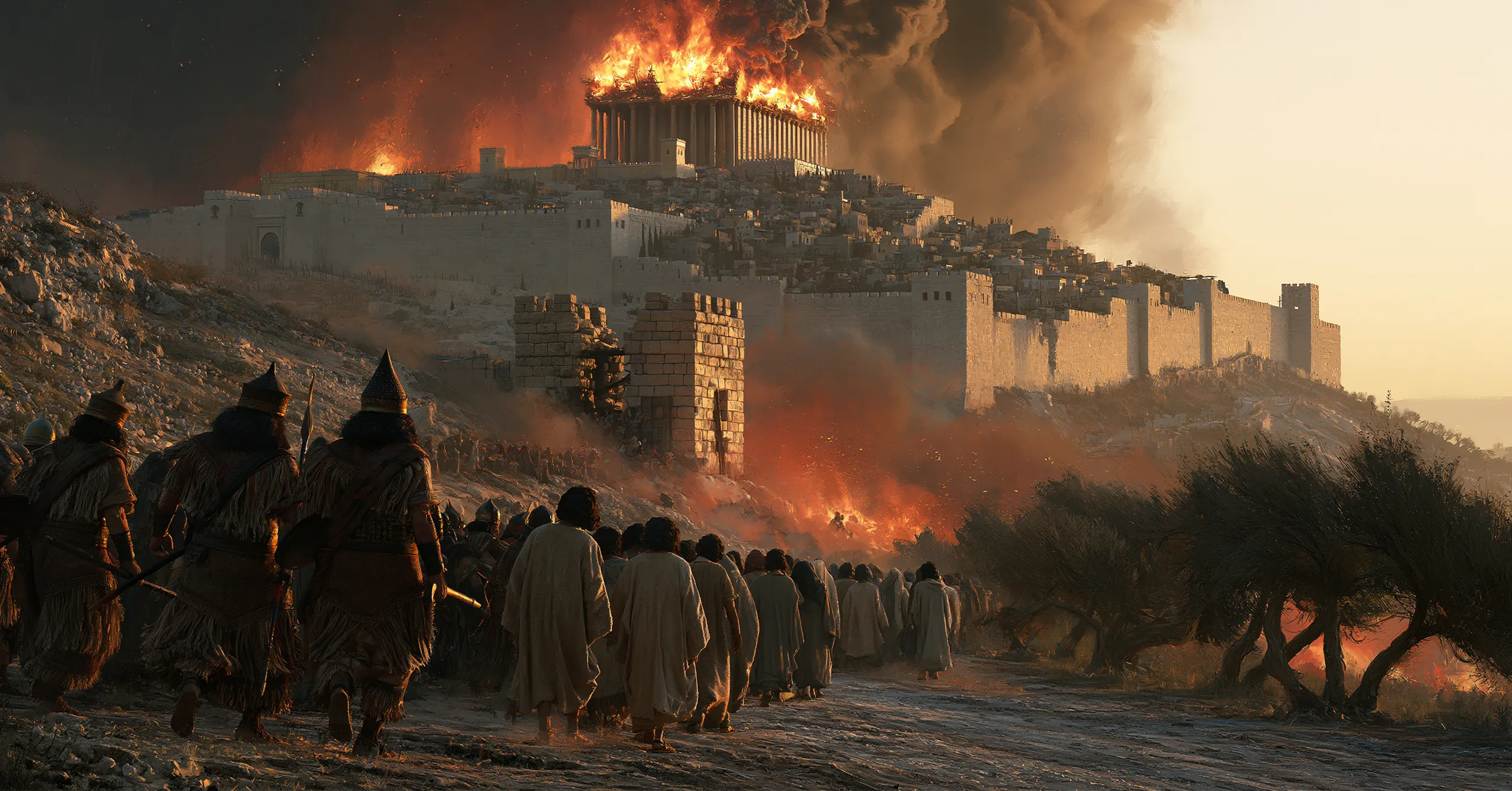
Babylonian soldiers breaking a gate tower as Jerusalem’s temple burns above the rooftops, 586 BCE

Babylon Burned Jerusalem in 586 BCE, and Psalm 137 Remembers

Babylon burned Jerusalem and its temple in 586 BCE, and the event left several kinds of record. The Bible tells it as history in 2 Kings 25 and as grief in Psalm 137, where the exiles weep by the rivers of Babylon. A Babylonian chronicle covers an earlier capture of the city, and excavations in ...

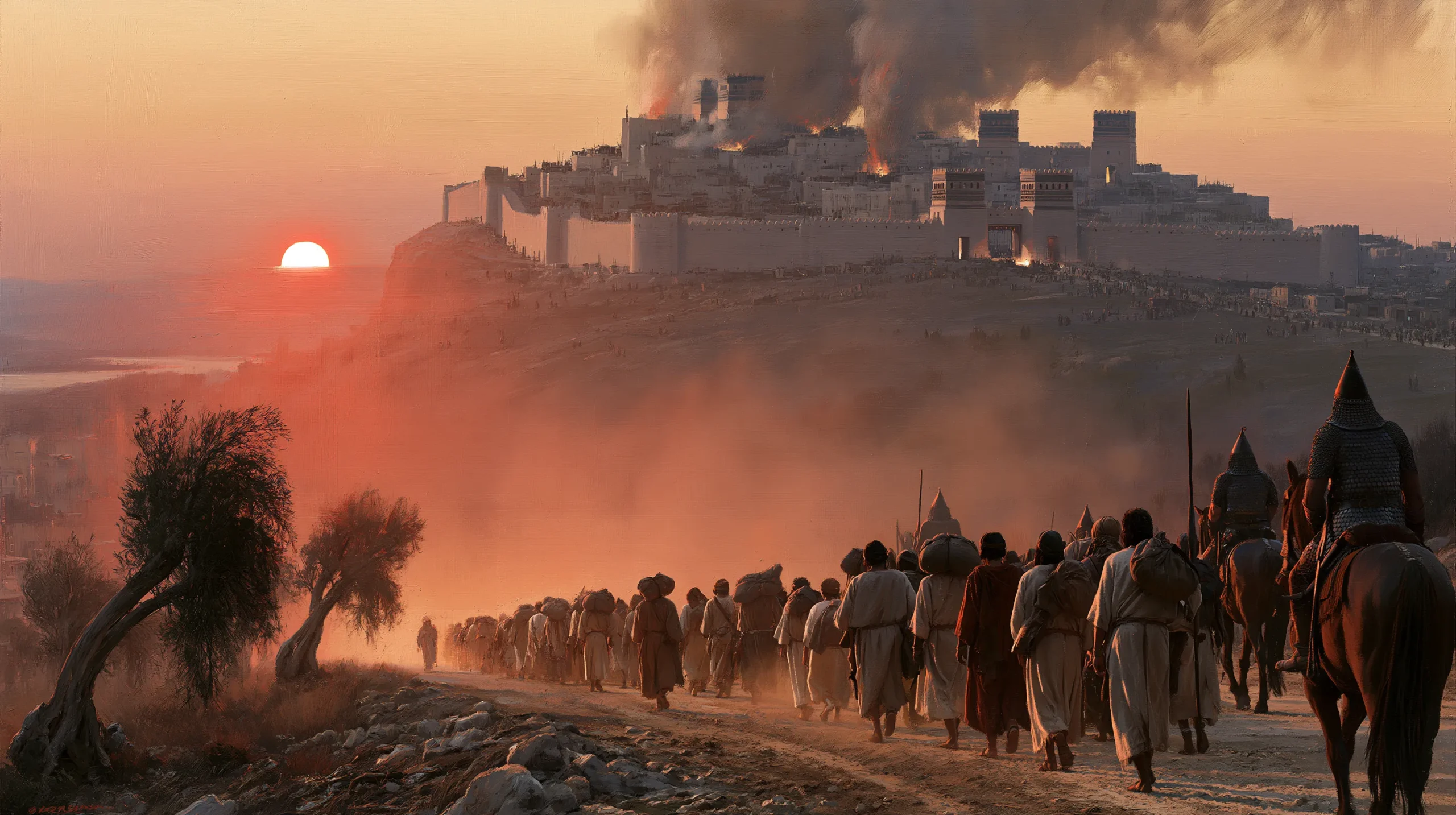
Assyrian officers overseeing townspeople leaving Samaria on a dusty road, around 722 BCE

The Fall of Samaria, 722 BCE: What the Bible and Assyria Say

Assyria destroyed the northern kingdom of Israel, and two sets of writers recorded it. The Bible tells the story in 2 Kings 17: a siege of Samaria, then the removal of the Israelites to other lands. Assyria’s own kings boast of the same conquest in royal inscriptions. Most scholars date the fall to around 722 ...

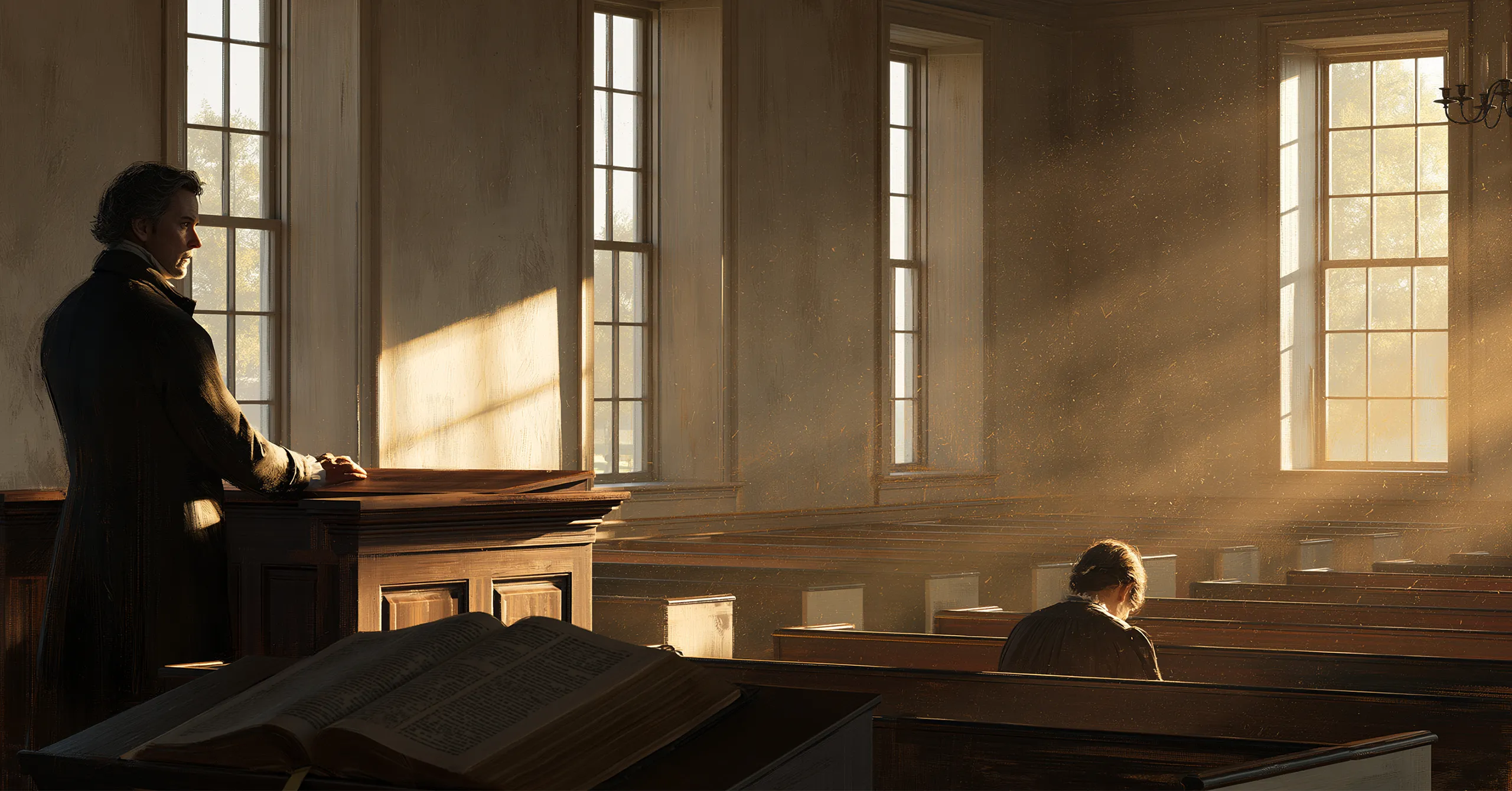
Preacher at the pulpit of a plain American country church, nineteenth century

Genesis 9:25 Curses Canaan, Yet Was Used to Defend Slavery

Genesis 9:25 names one man, Canaan, a grandson of Noah. The King James text reads: “Cursed be Canaan; a servant of servants shall he be unto his brethren.” It names neither Ham nor Africa, and it says nothing about skin colour. Yet later readers moved the curse from Canaan to Ham, from Ham to his ...

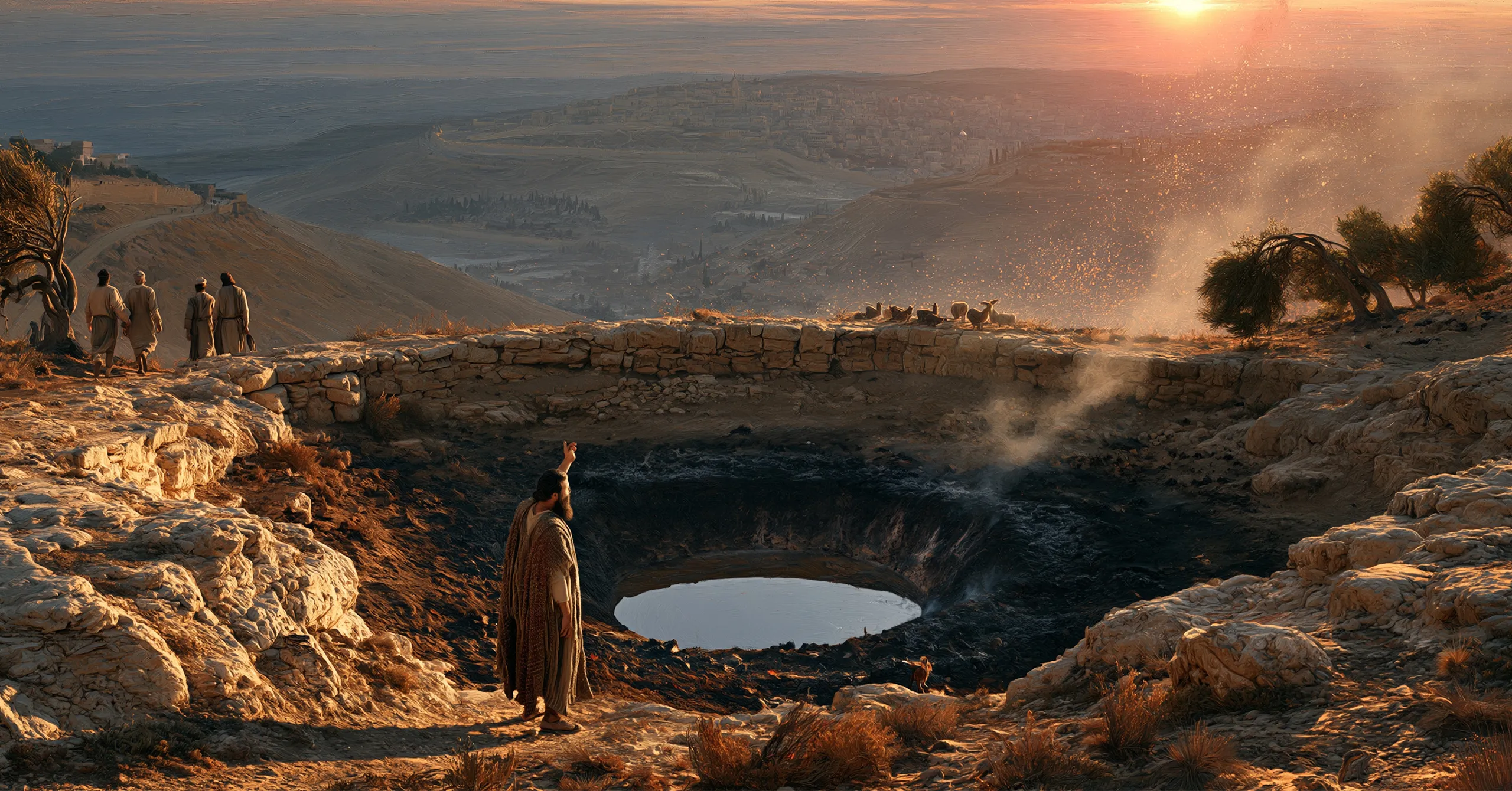
A deserted stone enclosure in the valley of Hinnom outside Jerusalem, date unstated

Leviticus Bans Molech Worship, Yet Judah’s Kings Did It

The Bible bans giving children to Molech in a single line, then says the practice reached the throne of Judah. Leviticus 18:21 states the law. The books of Kings say two kings made a son pass through the fire and a third later defiled the valley outside Jerusalem where it happened. This article sets out ...

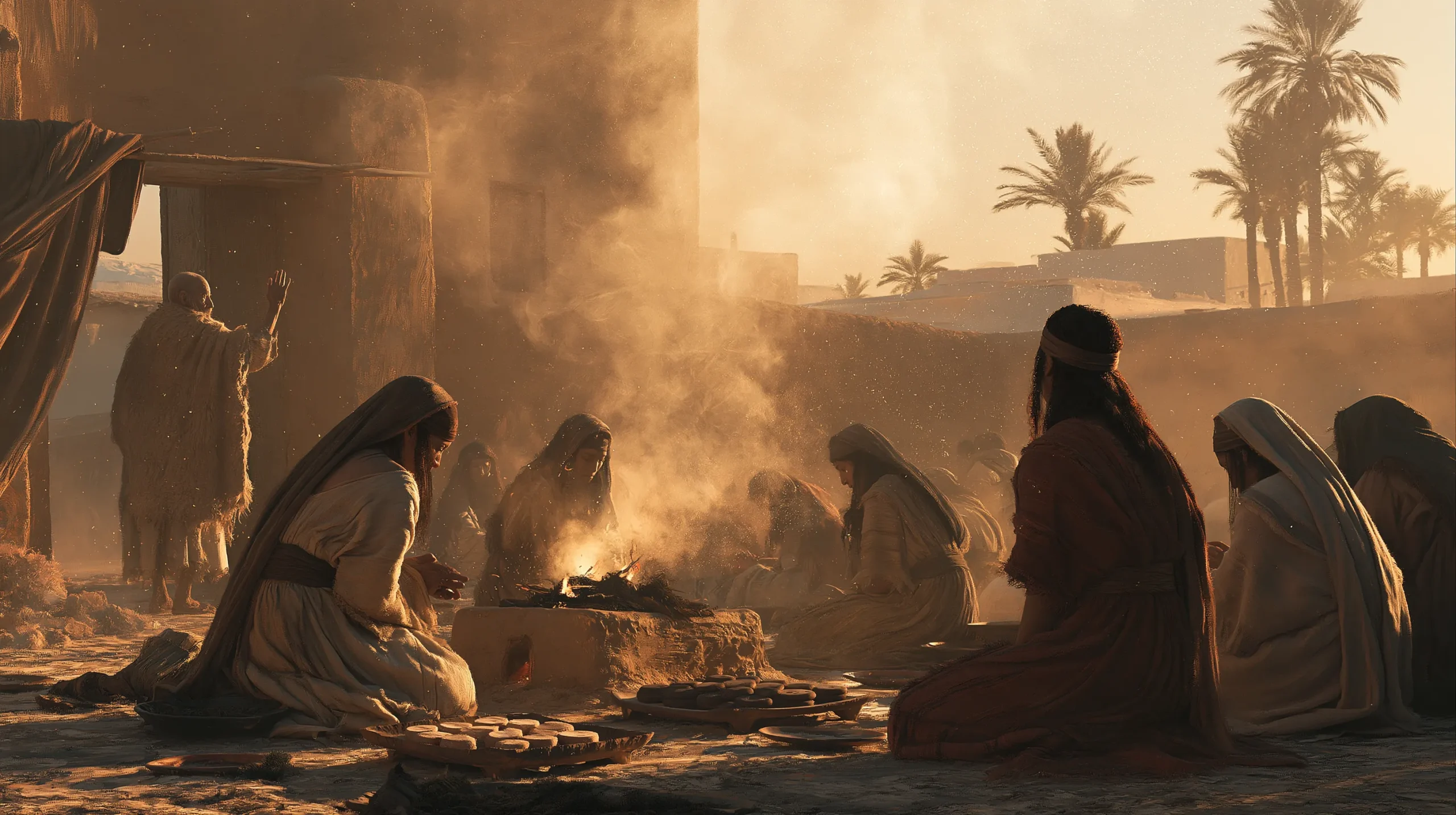
Judean women kneeling at an incense altar in Egypt, early sixth century BCE

Judeans in Egypt Vowed to Keep Honouring the Queen of Heaven

In Jeremiah 44, a great crowd of Judeans in Egypt tells the prophet Jeremiah that they will not listen to him and will keep burning incense to the Queen of Heaven. The women speak for themselves before the chapter ends. It is one of the Bible’s more direct glimpses of popular worship that the prophets ...

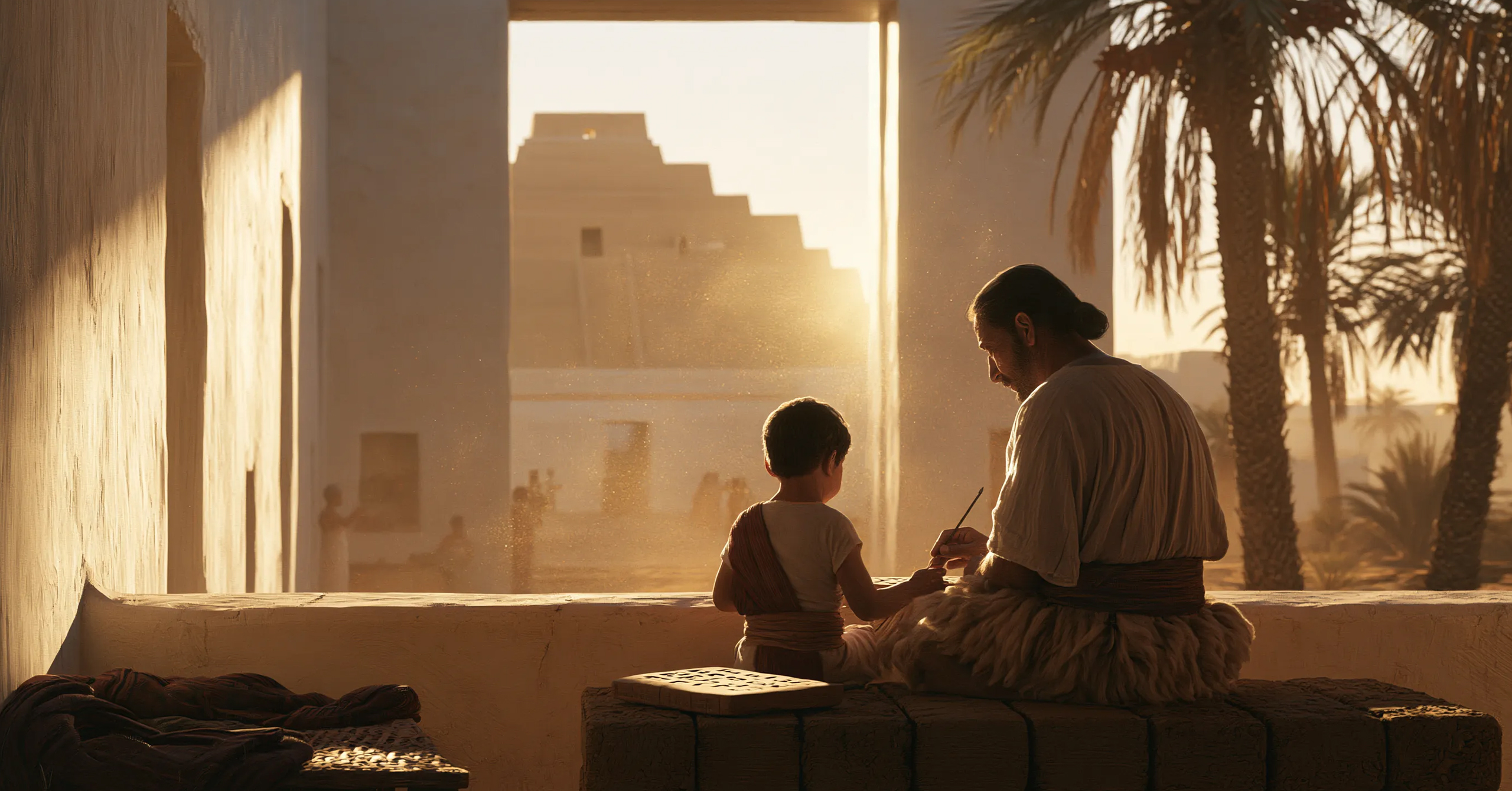
An older man and a boy with a clay tablet in Sumer, mid-third millennium BCE

The Instructions of Shuruppak: A Sumerian Father’s Advice

A father tells his son not to put a field beside a road, not to drive away a debtor and not to travel at night. These are lines from the Instructions of Shuruppak, a Sumerian text whose oldest known copy belongs to the middle of the third millennium BCE. Wikipedia says the Instructions contain sayings ...

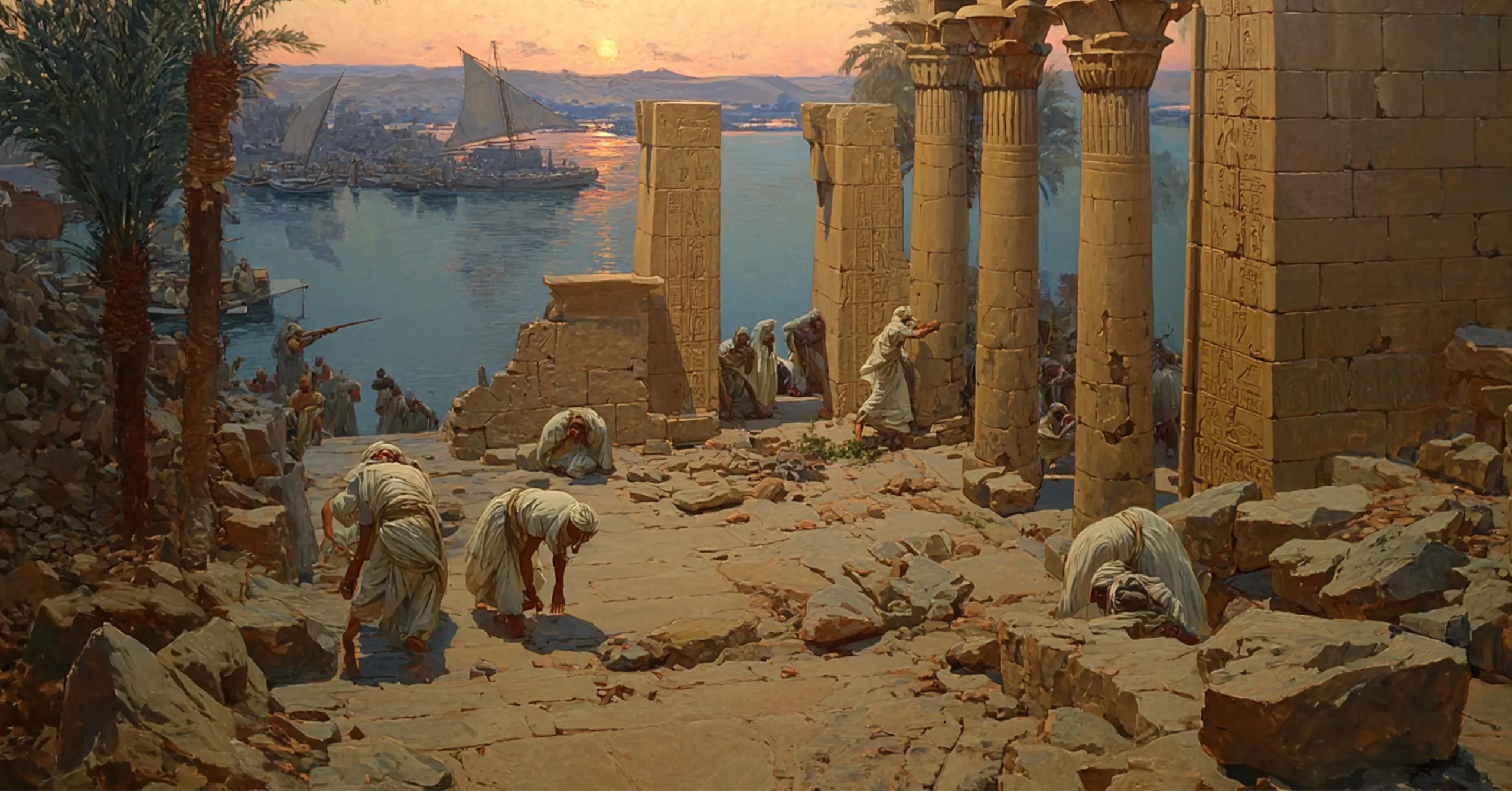
Soldiers pulling down the Judean temple at Elephantine at dusk, Egypt, 410 BCE

Elephantine Letters Say a Jewish Temple Fell in 410 BCE

In 410 BCE, according to its own letters, a Jewish community on an island in the Nile lost its temple. Papyri from Elephantine, at modern Aswan in southern Egypt, say that priests of the ram-headed god Khnum and a Persian commander plotted against the sanctuary of YHW, the spelling the community used for the name ...

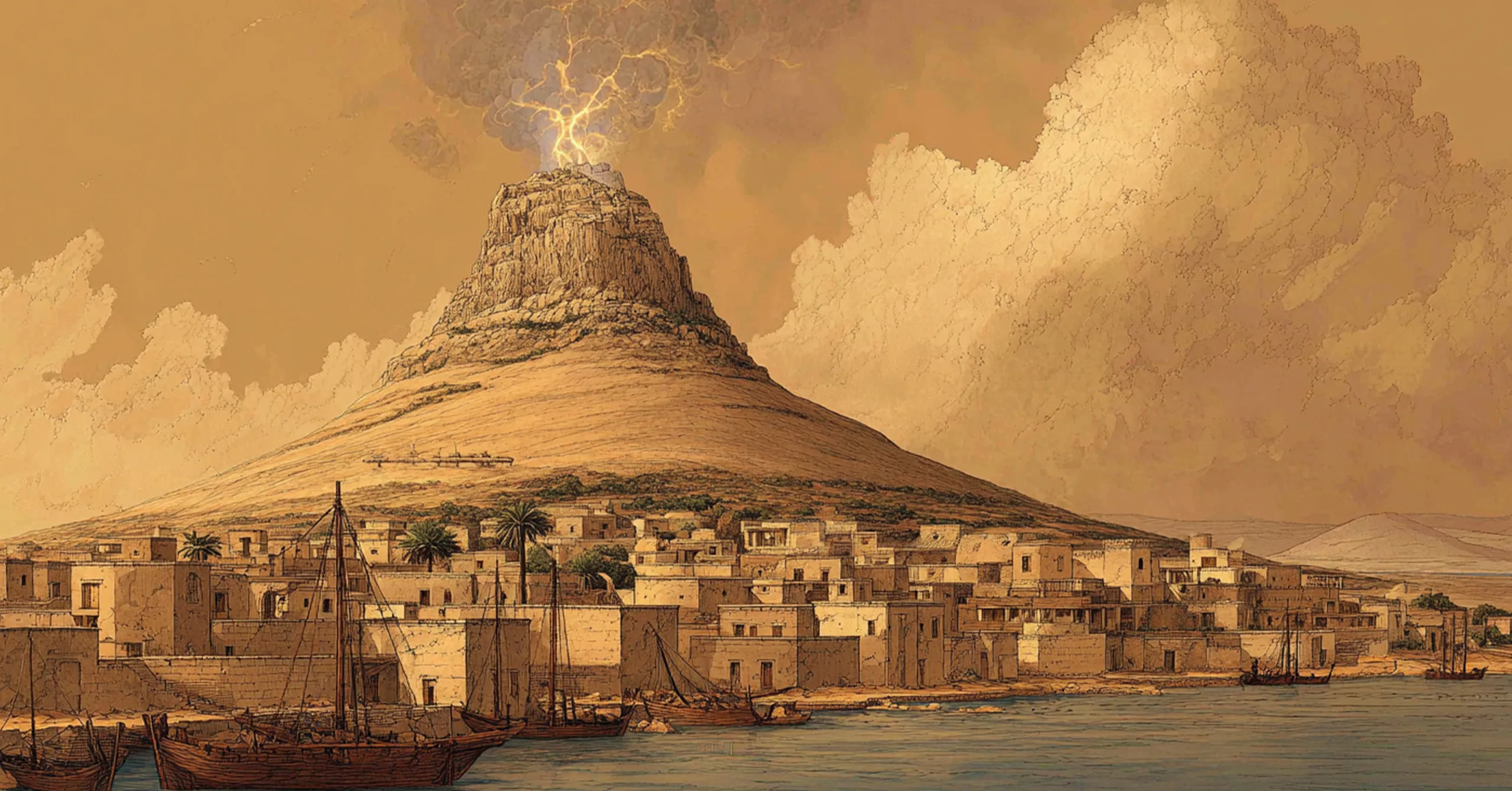
Mount Zaphon storm-capped above the coast near Ugarit, the northern mountain of Isaiah 14, date unstated

Isaiah 14’s Throne on the Mount of Assembly in the North

Isaiah 14:13-14 gives a proud figure five “I will” boasts: to ascend into heaven, to raise a throne above the stars of God, to sit on a mountain, to climb above the clouds and to be like the Most High. The third is among the strangest, because it names a place: the mount of assembly, ...

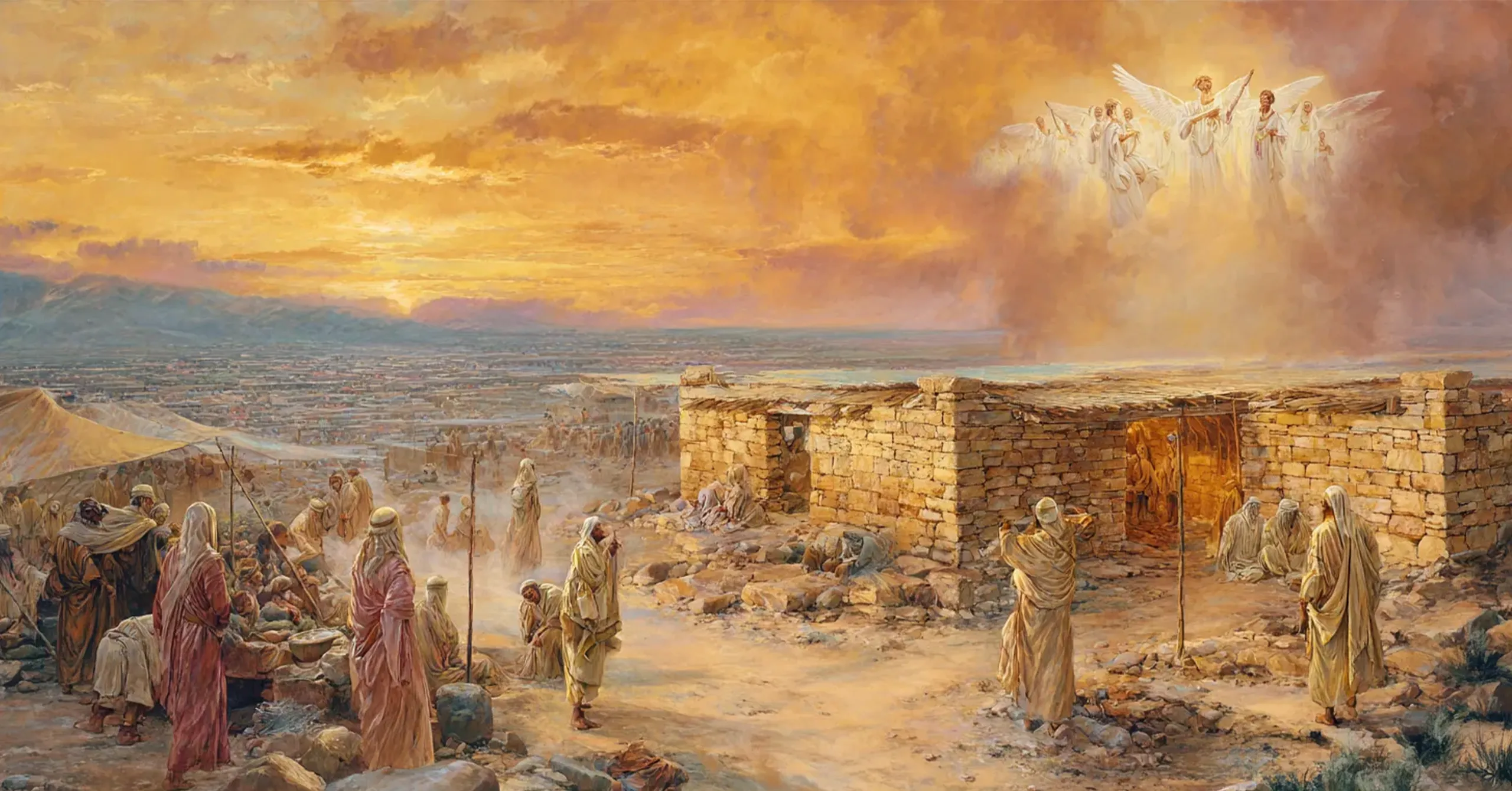
Israelites beneath the bronze serpent and seraphim above a throne, Numbers 21, Isaiah 6, date unstated

Seraphim Means Burning Ones, and Serpents Share the Root

The Hebrew word seraphim means “burning ones”, and the root behind it, saraph, also names the fiery serpents that bite the Israelites in Numbers 21. That overlap is why some readers connect the winged beings of Isaiah’s vision with the serpent of Eden. The connection is a chain of inferences, and the Eden creature carries ...

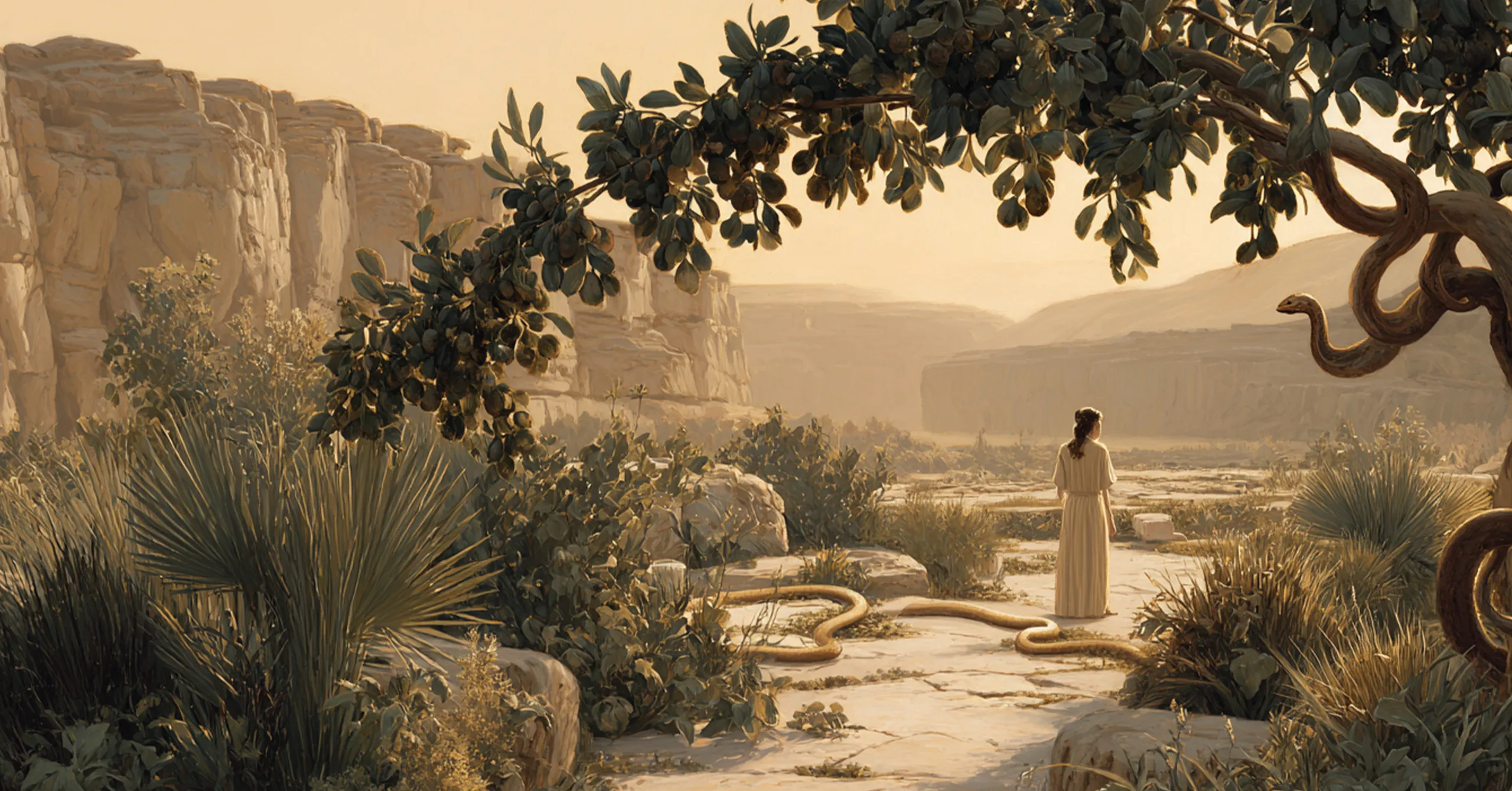
Eve beneath a fruit bough listening to the serpent in Eden, Genesis 3, date unstated

Why Eve Shows No Surprise When the Creature Speaks

Genesis 3 opens with a talking creature and a woman who answers it as if nothing were unusual. The creature asks, “Yea, hath God said, Ye shall not eat of every tree of the garden?” (3:1), and Eve replies at once. She does not gasp, hesitate or ask how a creature can speak. The chapter ...

[Valid RSS]