stat counters
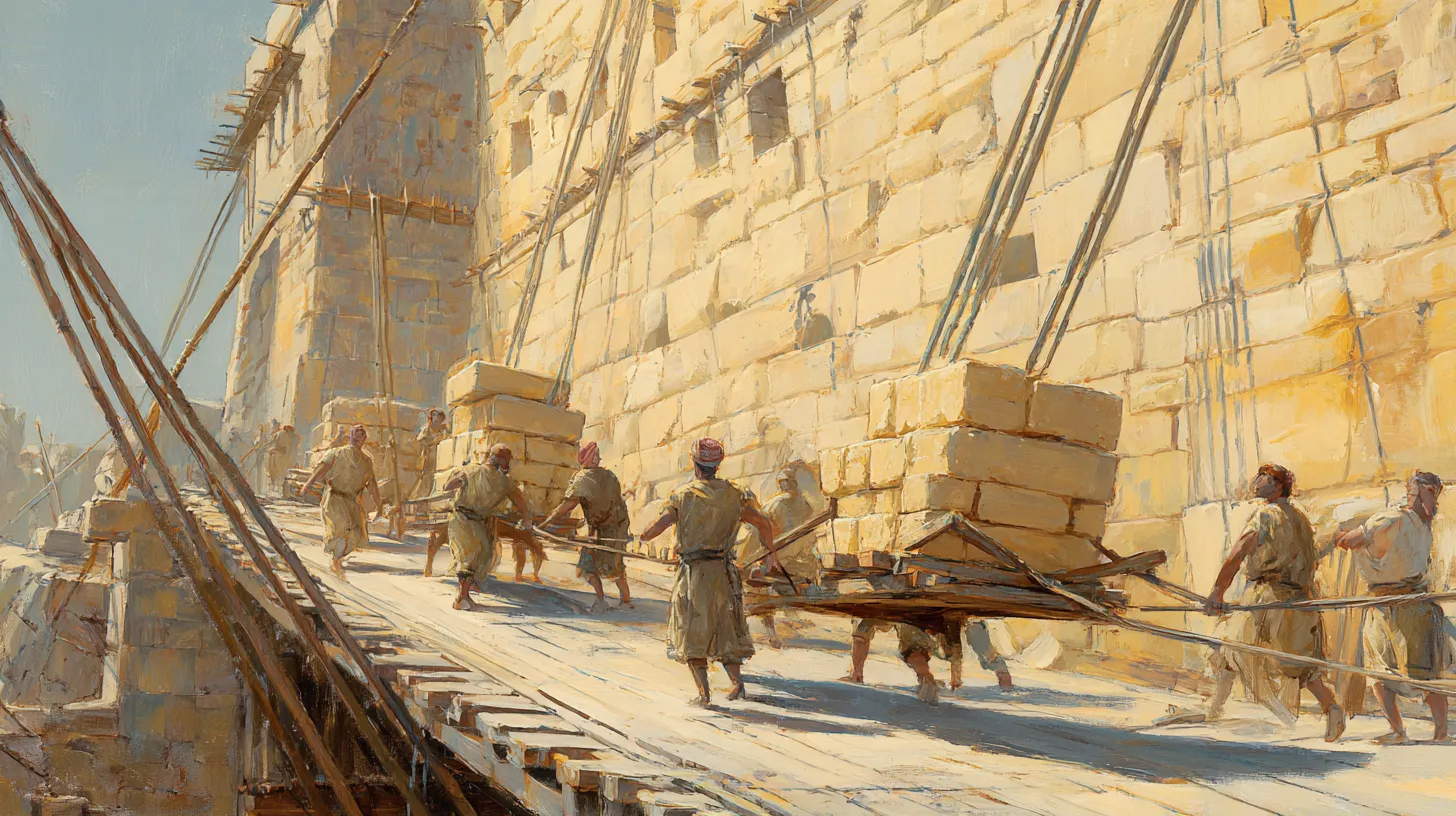
Cain’s city of Enoch rises behind half-built walls in Nod, earliest biblical age

The Bible Gave Cain a City; Josephus Gave It Walls

The Bible gives Cain a wife, a son and a city in the land of Nod, and almost nothing else. Much of what is said about his life there comes from a historian writing in the first century CE: the walls, the boundary lines, the robbery. None of it is in Genesis. The Whole Record ...

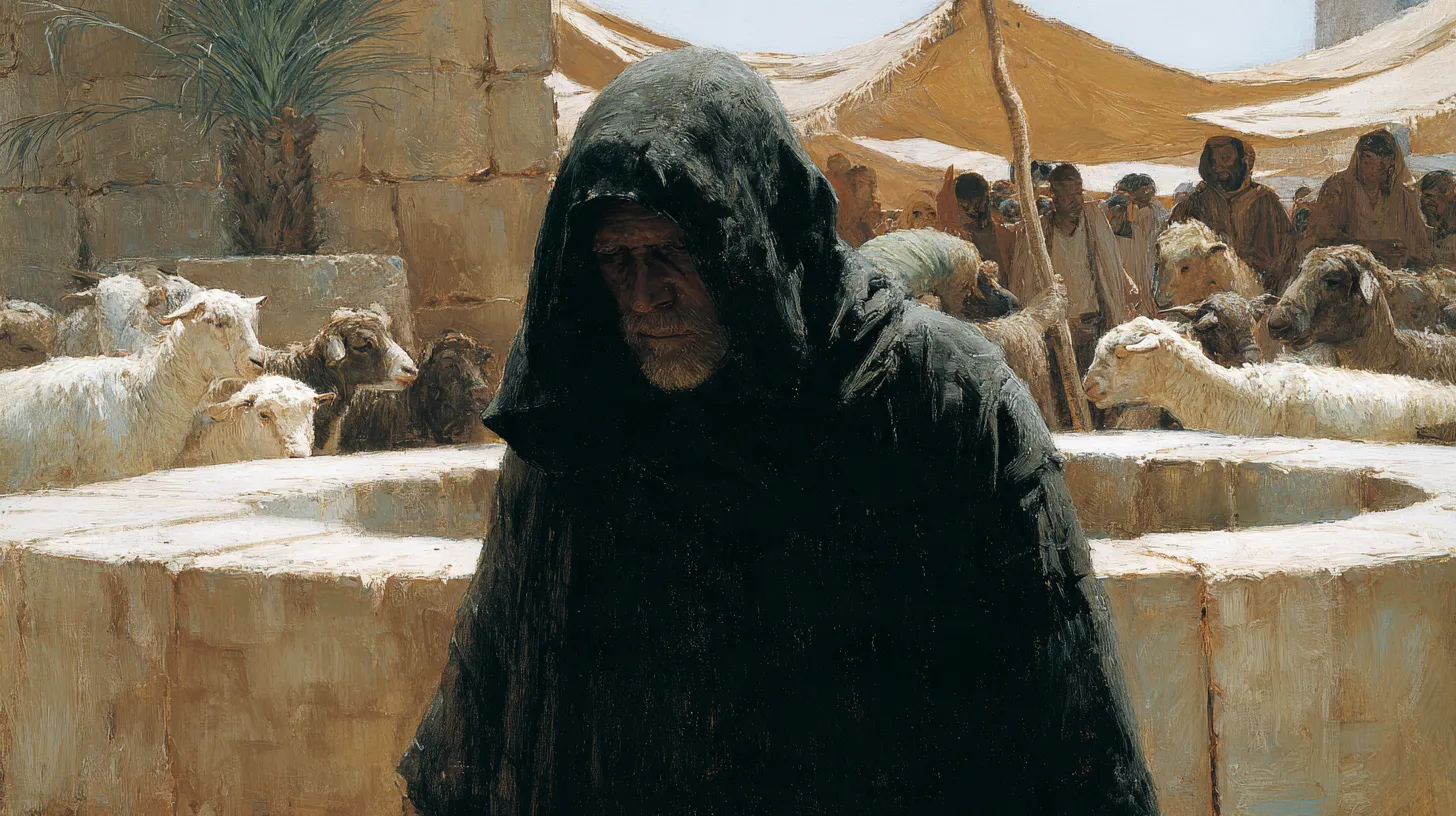
Cain, hooded, passes herders at a well east of Eden, earliest biblical age

The Bible Never Says What the Mark of Cain Looked Like

God put a mark on Cain so that no one would kill him, and the Bible never says what it looked like. Genesis is exact about everything around the mark: why it was needed, what it was meant to prevent, and what would happen to anyone who killed Cain anyway. The one thing it leaves ...

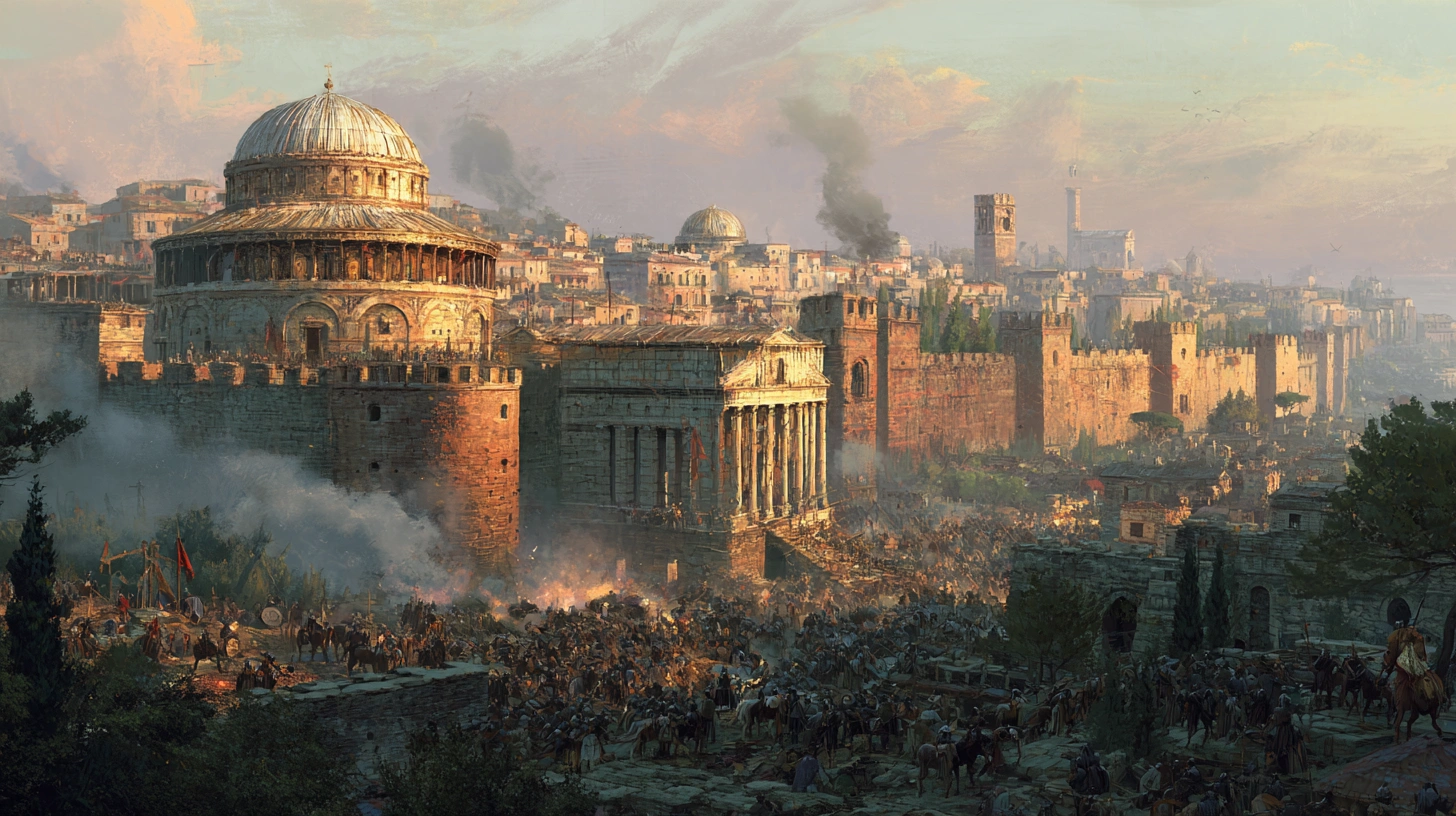
Saracen raiders sack St. Peter's Basilica outside Rome's walls, 846 CE

The Vikings’ Mistake May Have Saved Them From Rome

Getting the wrong city may have been the one thing that kept Hastein and Björn Ironside’s fleet from sailing into a disaster considerably worse than a navigational error. Rome in 860 CE was not an easy target, and the Vikings appear to have had no real sense of exactly how badly outmatched they would have ...

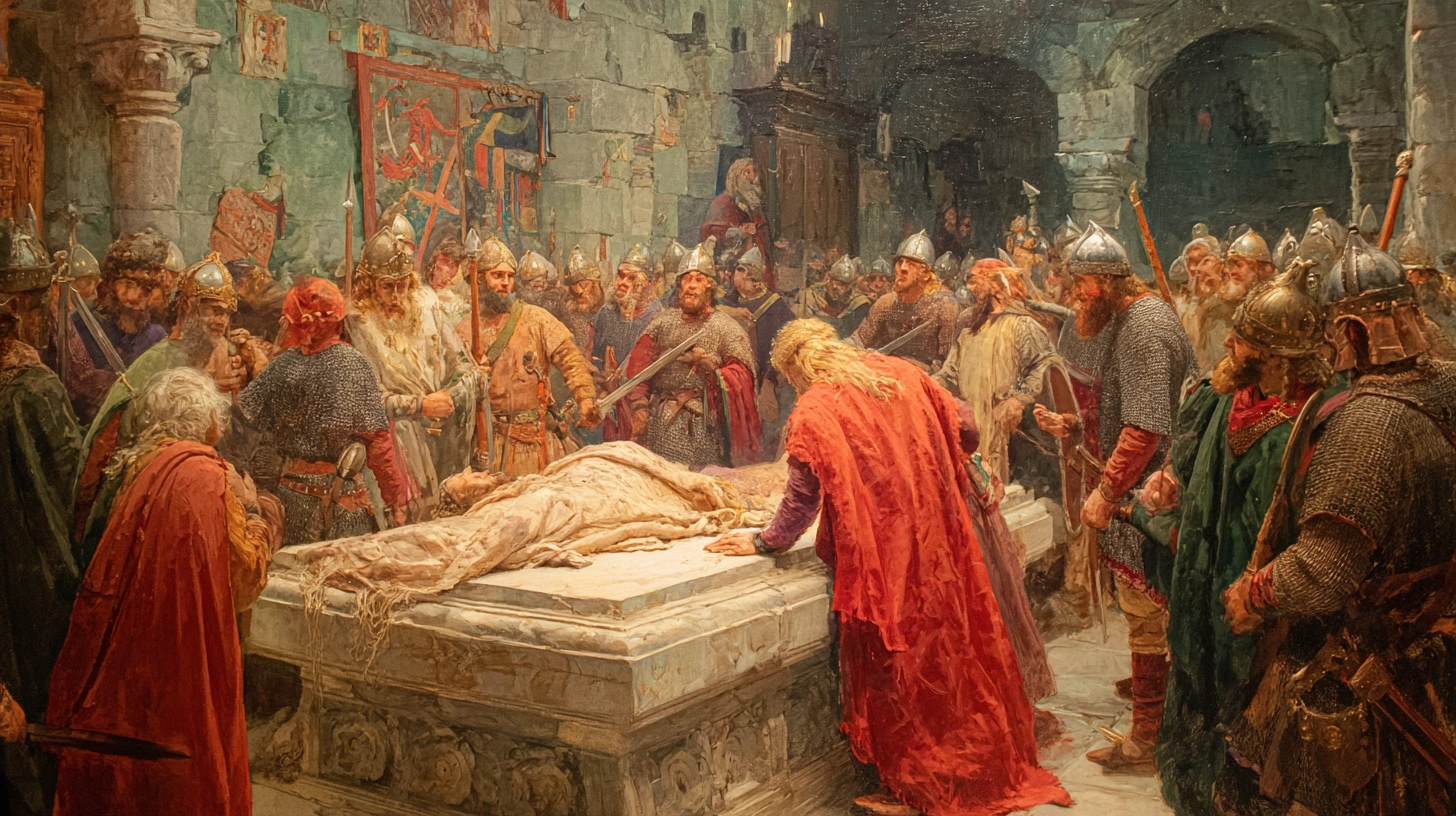
Hastein springs from his coffin during a faked funeral in Luna, 860 CE

Vikings Sacked the Wrong City, Thinking It Was Rome

In 860 CE, a Viking fleet sacked a Roman city, slaughtered its bishop, and celebrated a legendary conquest, all while believing they had just captured Rome. They had not. Rome sat untouched, nearly two hundred miles to the south, its walls never even sighted by the raiders who thought they had just taken it. A ...

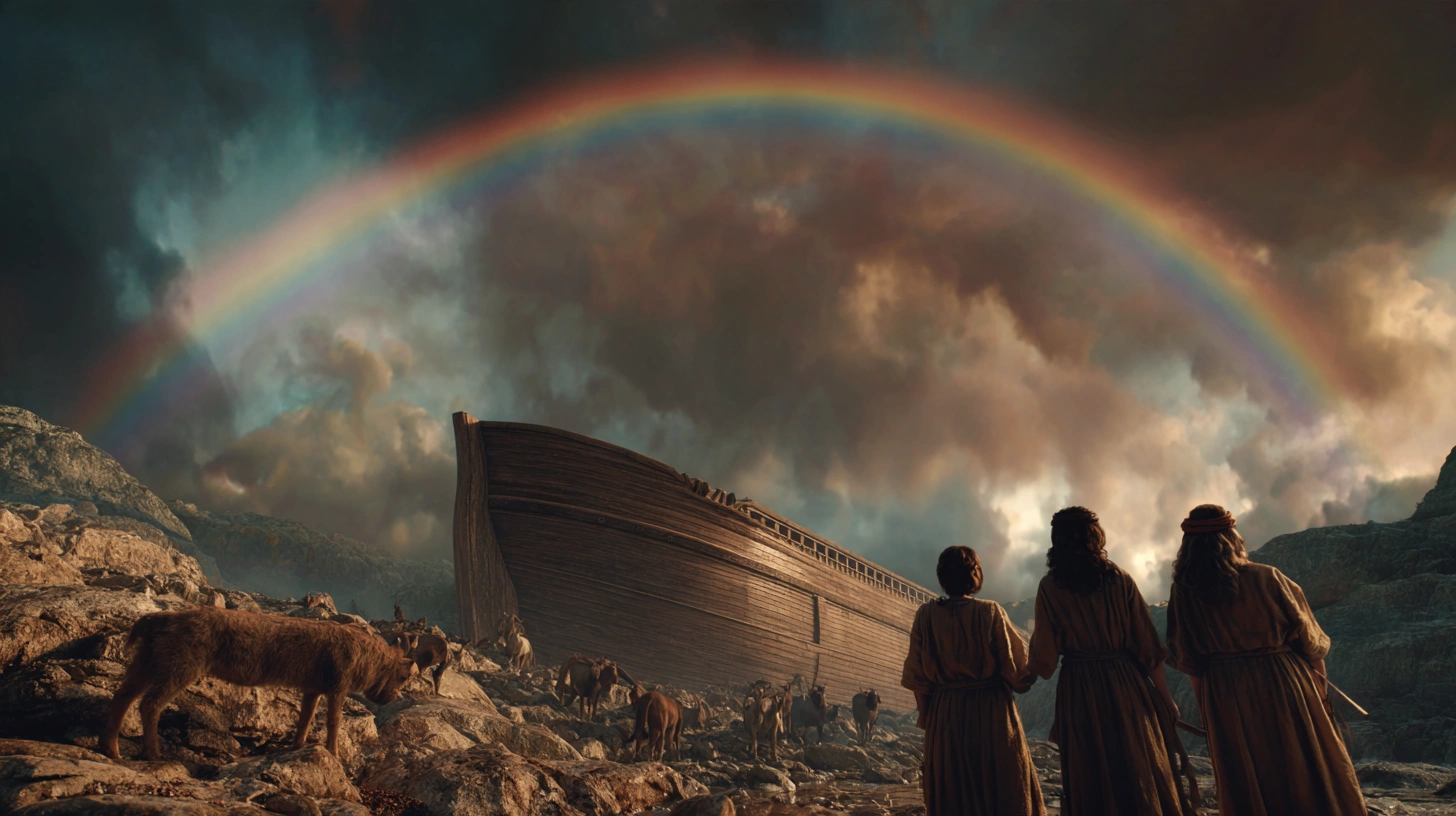
Noah's family looks up at the rainbow, illustrating Genesis 9, c. 6th century BCE

Genesis 9’s Rainbow Was a Sign Meant for God to See

Genesis 9 puts a strange detail at the center of its covenant scene. The rainbow set in the clouds after the flood is not described primarily as something for Noah’s descendants to notice and remember. The text says it is there for God to see, a small but genuinely distinctive shift in perspective that separates ...

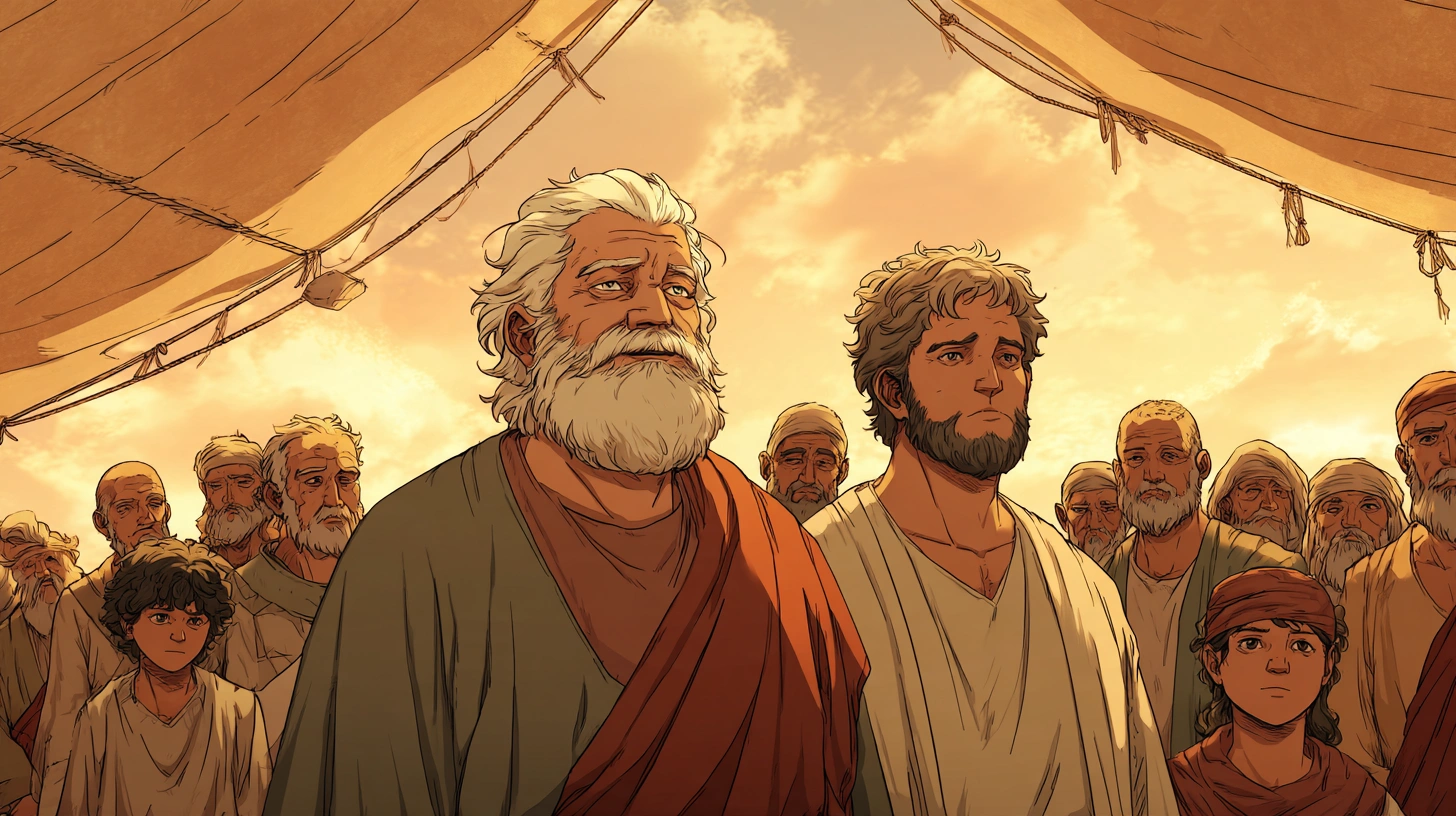
An elderly patriarch and young descendant represent Genesis 5's timeline, c. 6th century BCE

Methuselah and Adam Overlapped by 243 Years, by the Text

By the Bible’s own arithmetic, Methuselah and Adam were alive together for 243 years. Add up the ages Genesis 5 gives for each patriarch, generation by generation, and that overlap is not a matter of interpretation or later tradition layered onto the text. It falls straight out of the numbers already printed on the page. ...

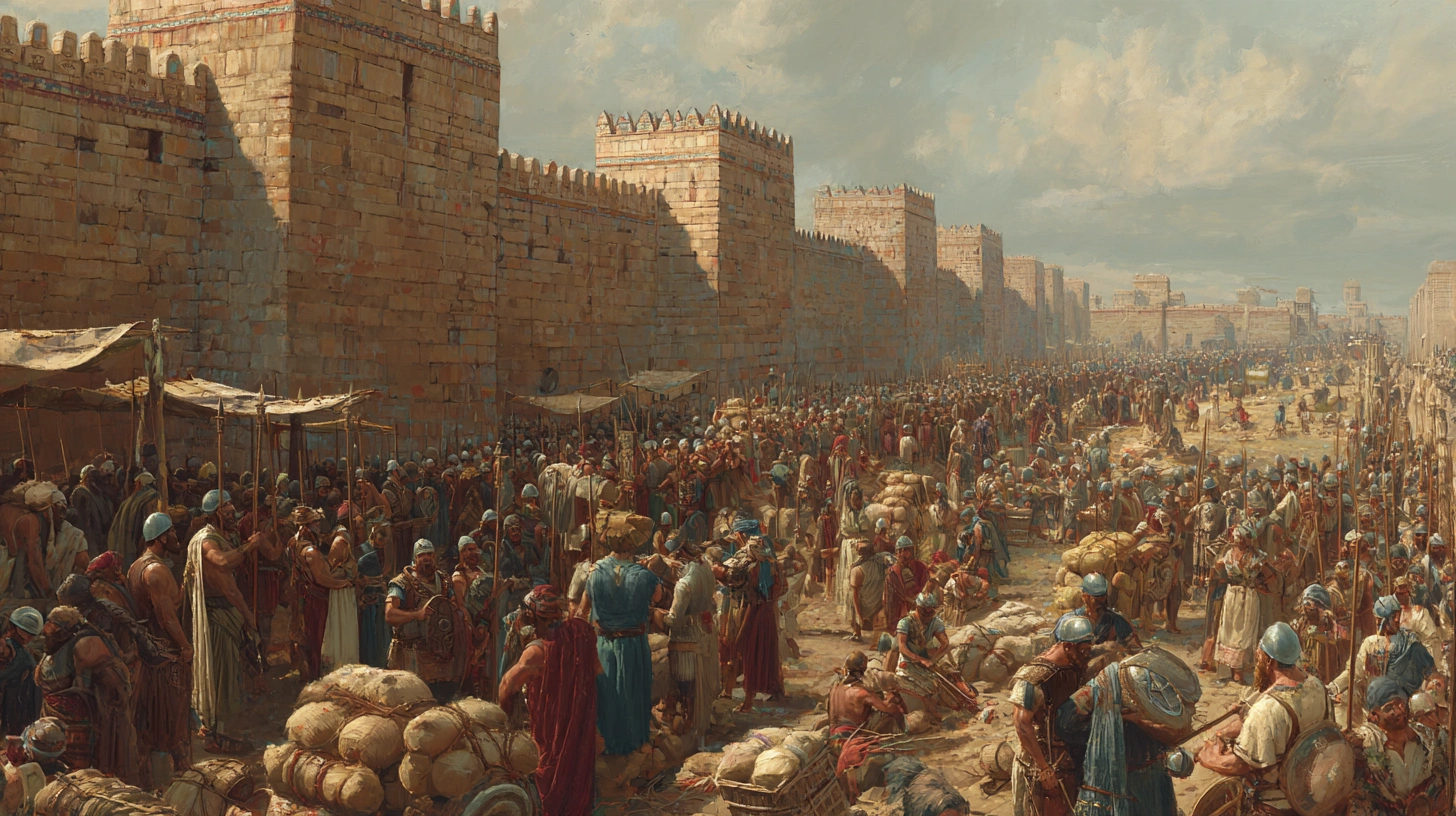
Assyrian scribes count deportees outside captured Samaria, 721 BCE

Assyria Tracked Deported People Like Grain and Livestock

Administrative tablets recovered from Nineveh and other Assyrian centers record the forced relocation of conquered populations with the same bureaucratic precision the Assyrian state applied to grain allocations or livestock counts. When Assyrian armies conquered a city or region, they did not simply loot and withdraw. The population was counted, and a portion was relocated, ...

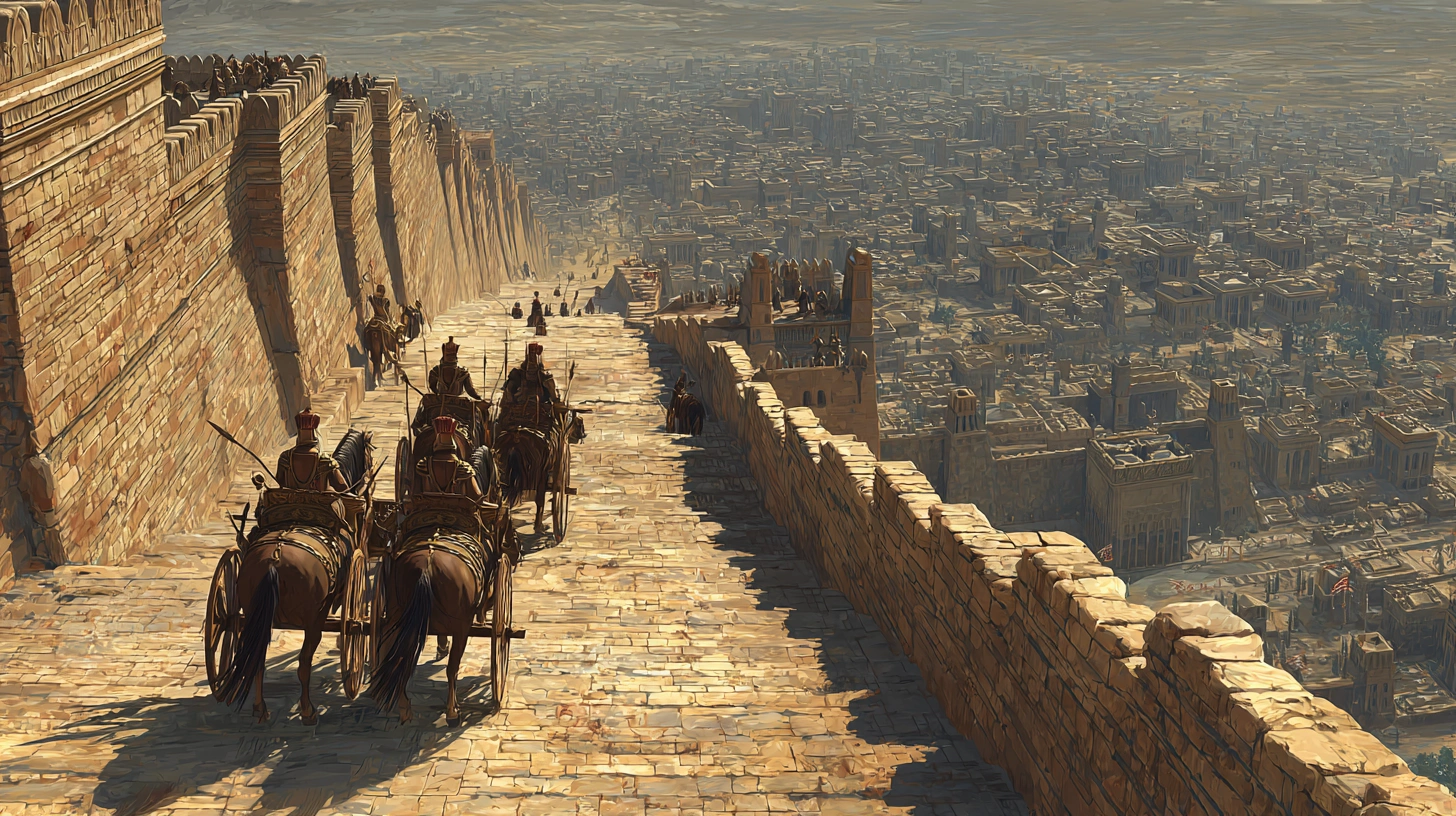
Three chariots drive abreast along the top of Nineveh's wall, c. 700 BCE

The Assyrian Wall Built Wide Enough for Three Chariots

Three chariots could drive abreast along the top of Nineveh’s defensive wall, a detail that speaks less to the wall’s height and more to what it was actually built to do. A wall meant only to look imposing does not need a top wide enough to carry vehicles. This one did, and the reason why ...

Geneticists examine a Neanderthal ancestry map on lab screens, 2014

Why Neanderthal DNA Is Missing From Fertility Genes

When geneticists mapped exactly where Neanderthal DNA survives across the modern human genome, they found something they had not expected: entire stretches of the genome almost completely emptied of it, and those empty stretches were not scattered at random. They clustered, with striking consistency, around genes tied directly to reproduction. Mapping Where Neanderthal DNA Survives ...

A Neanderthal hunter thrusts a spear into a woolly rhinoceros, c. 60,000 years ago

Why the Neanderthal ‘Rodeo Rider’ Theory Fell Apart

For nearly two decades, one comparison shaped how the public understood Neanderthal injuries more than any other: rodeo riders. It was a vivid, memorable image, the kind of detail that made its way from academic journals into documentaries and textbooks alike. It was also, researchers have since found, considerably shakier than it first appeared, and ...

[Valid RSS]