stat counters

Category: Biblical History

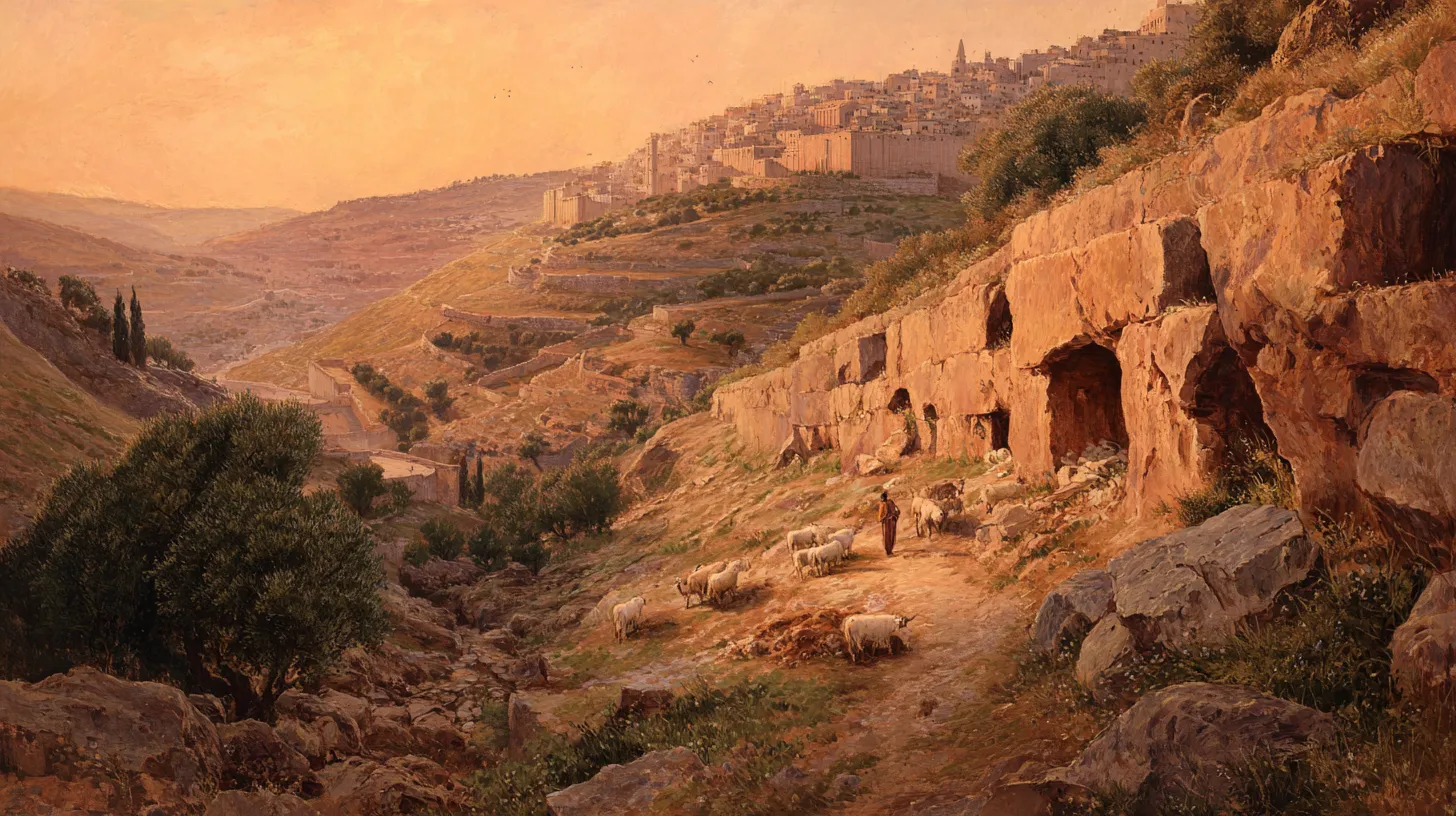
Rock-cut burial caves at Ketef Hinnom above the valley of Hinnom, Jerusalem, late seventh century BC

The Bible Gives Weight to Sinai, the Jordan and Hinnom

Sinai, the Jordan and the valley of Hinnom are real places that the Bible loads with meaning, and readers sometimes ask whether the Euphrates of Revelation 9:14 belongs with them. The pattern is real. The Bible never groups these places itself, though, and no verse calls the Euphrates a gateway. Sinai, a Mountain Nobody Can ...

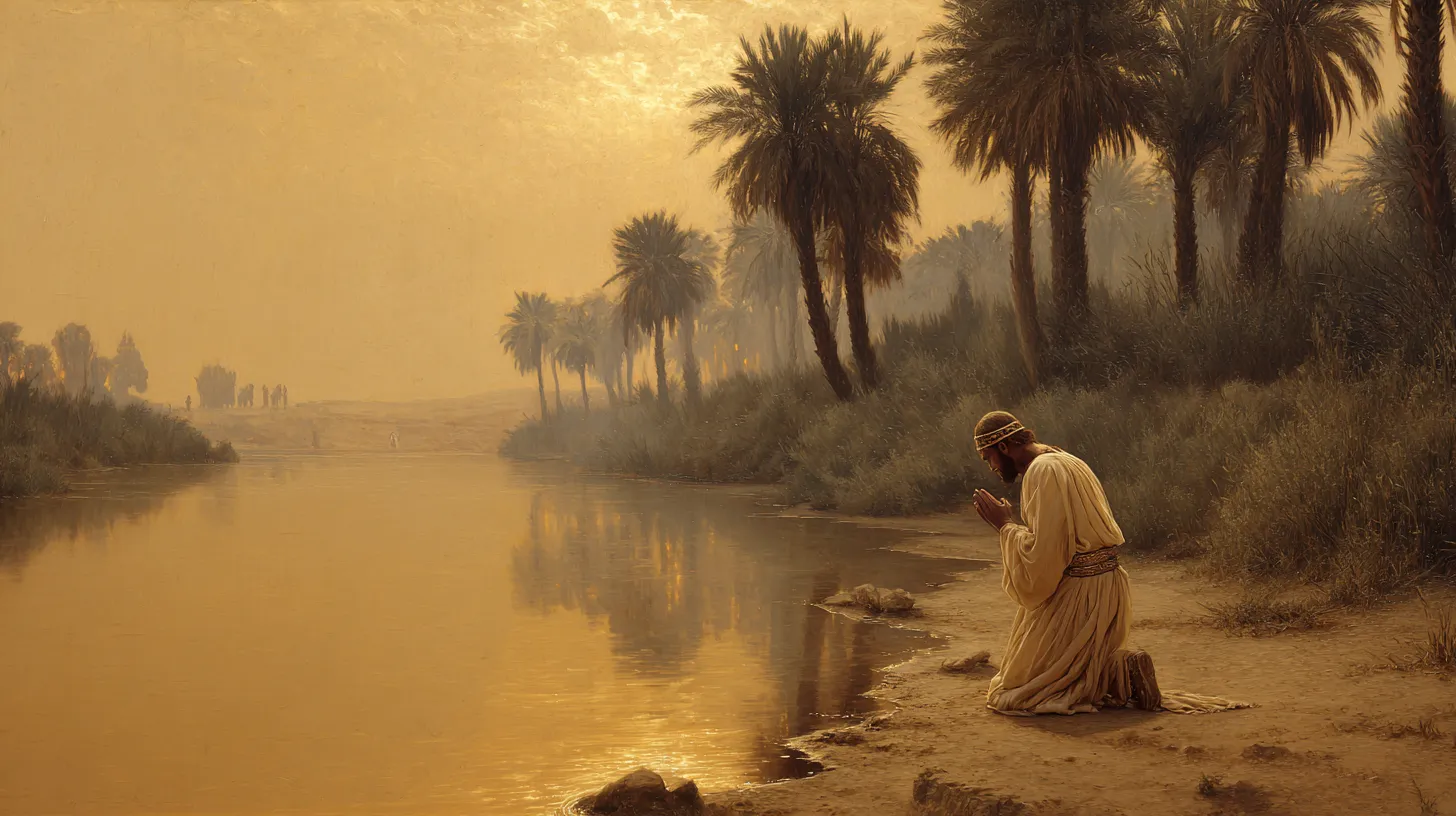
Daniel kneels beside the river Hiddekel as a radiant messenger appears, about 536 BC

Daniel Names Michael, but the Euphrates Angels Stay Nameless

Daniel 10:13 gives one angel a name and leaves his opponent without one, and Revelation 9:14 goes further: four angels are bound at the Euphrates, and the text names none of them. Readers keep asking who the four are. The Bible never says, and the two best-known answers, one drawn from the Book of Enoch ...

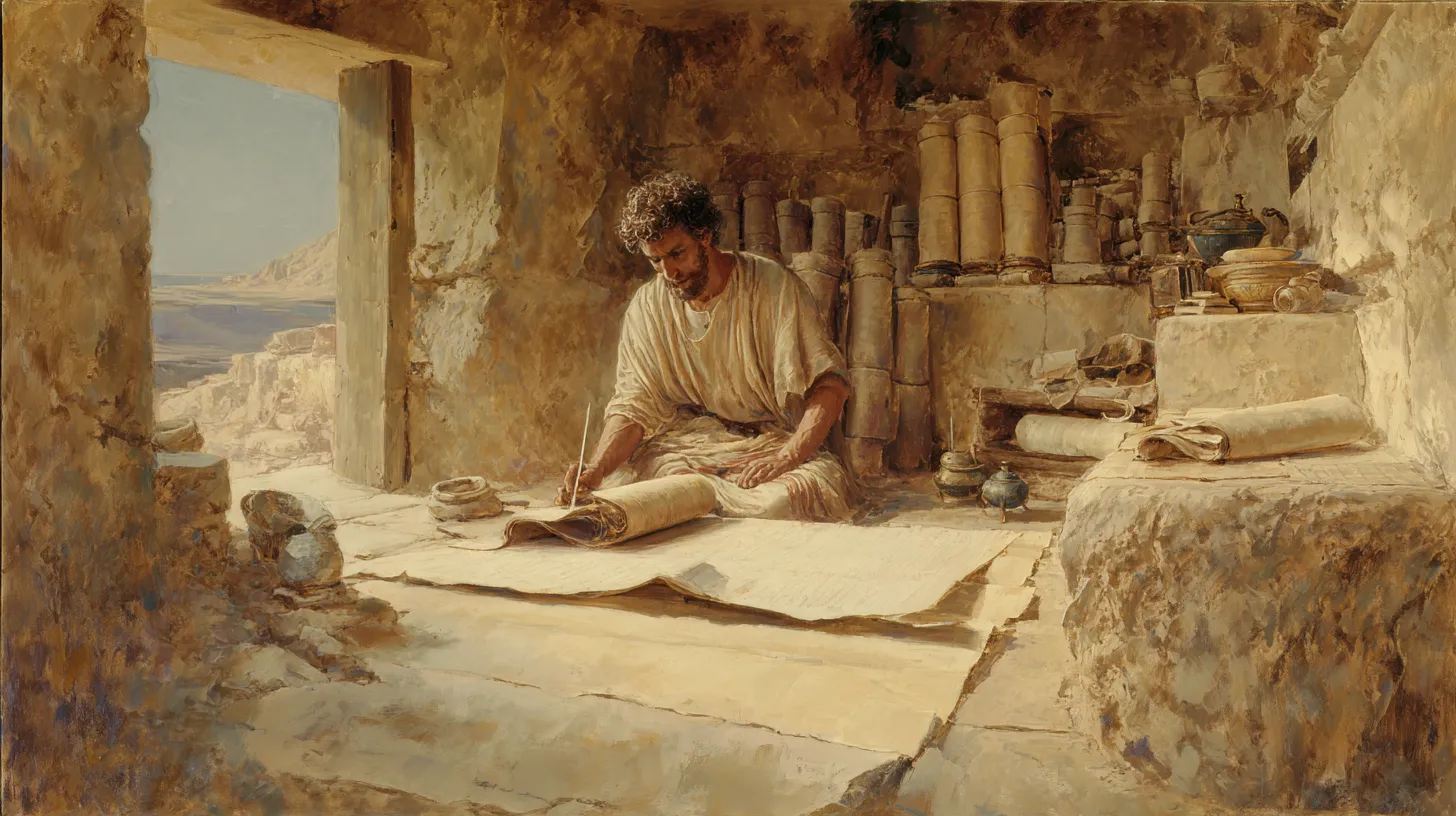
A scribe copies the Aramaic Book of the Watchers, Dead Sea Scrolls period, 160-60 BC

Genesis 6:4 Never Says How Long the Nephilim Lasted

Genesis 6:4 says the Nephilim were on the earth “in those days,” and also afterward, and it never says how long that afterward lasted. The one phrase has carried a great deal of weight. Ancient readers took the verse as a sign of fallen angels and giants, of the line of Seth, or of human ...

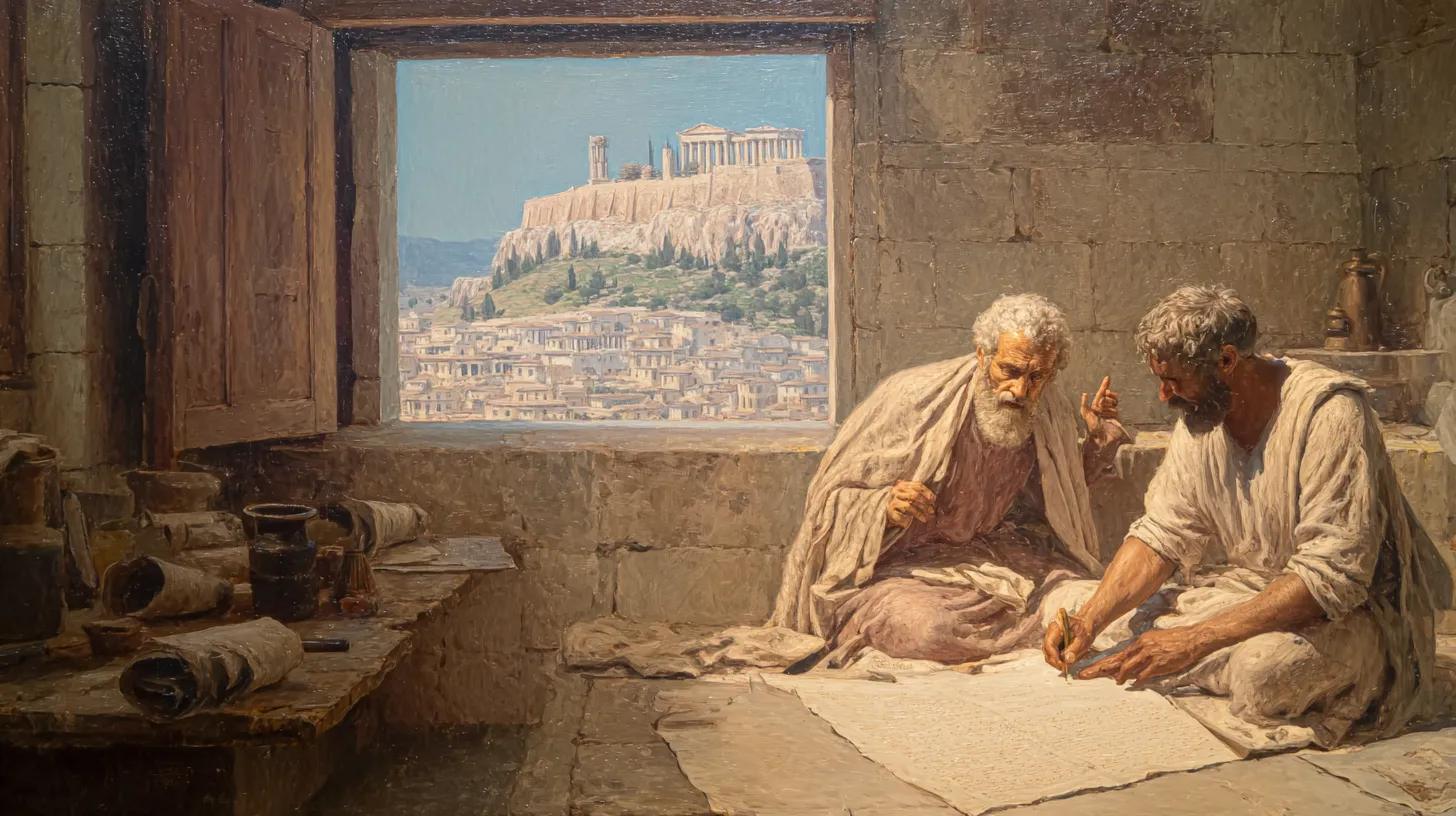
Paul dictates his Letter to the Romans to the scribe Tertius at Corinth, about AD 56

Romans 10:13 and Revelation 9 Both Draw on the Book of Joel

Paul’s promise in Romans 10:13 that everyone who calls on the name of the Lord will be saved is a quotation from the prophet Joel, the same book whose locust army is echoed in the plague of Revelation 9. That shared source explains why readers keep setting the two passages side by side. It does ...

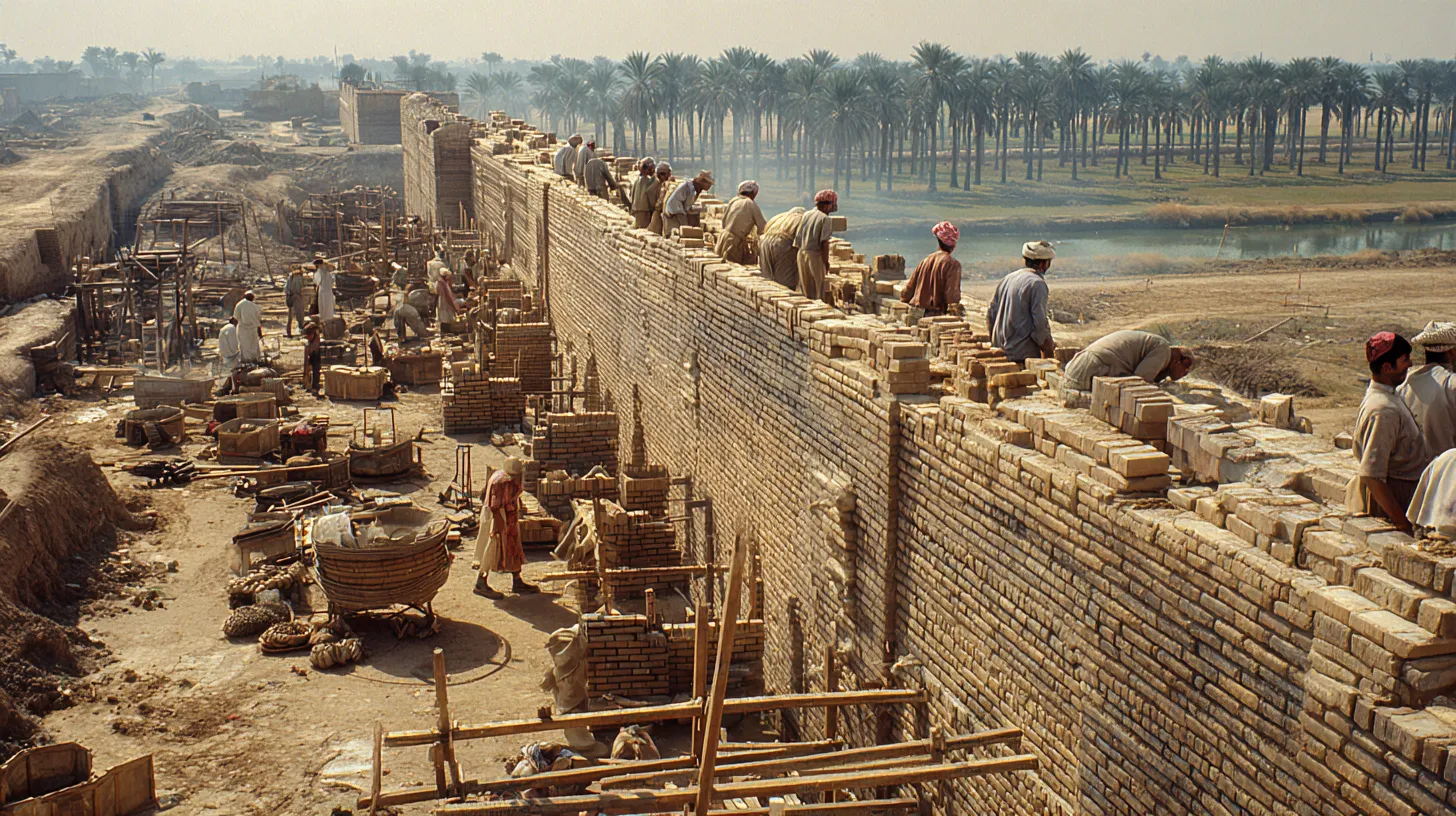
Workmen lay new brick on a rebuilt wall of Nebuchadnezzar’s Southern Palace at Babylon, 1980s

Nebuchadnezzar and Saddam Both Put Names on Babylon’s Bricks

In the 1980s, Saddam Hussein’s builders raised new walls at Babylon from bricks that carry his name, as the bricks of Nebuchadnezzar II had carried his about 2,500 years before. The foundations of Nebuchadnezzar’s great tower, nearby, lay in a shallow pool of water when a reporter visited in 1990. The sources show what was ...

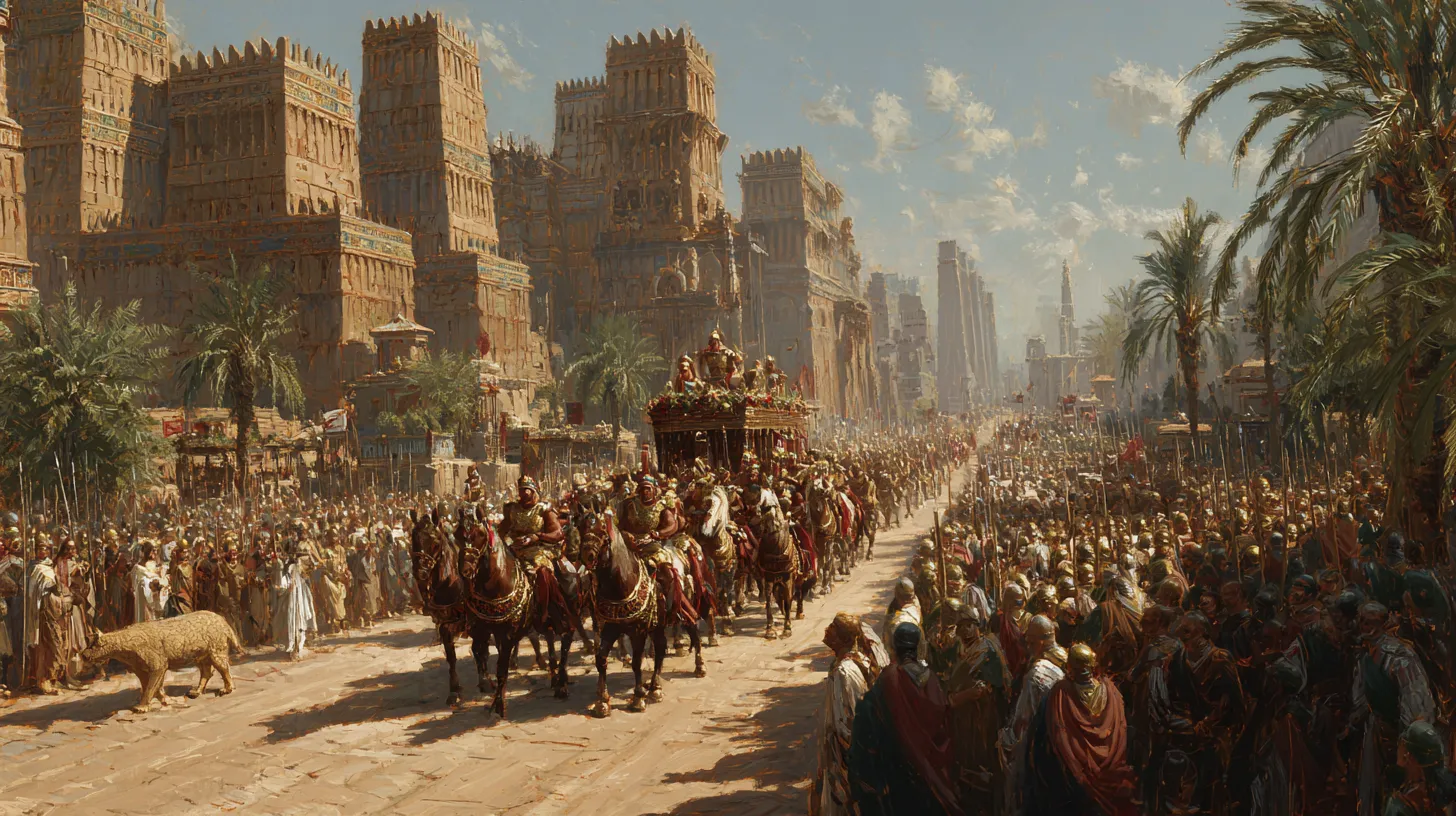
Alexander’s column enters Babylon past incense altars and priests, October 331 BC

Alexander Braced for a Siege, Then Obeyed Babylon’s Priests

Alexander the Great entered Babylon in October 331 BC with his column drawn up for battle, found the city already surrendered, and then did what its priests told him. He sacrificed to the city’s god, ordered its ruined temples rebuilt, and left behind a plan for the great tower that ended only with his death ...

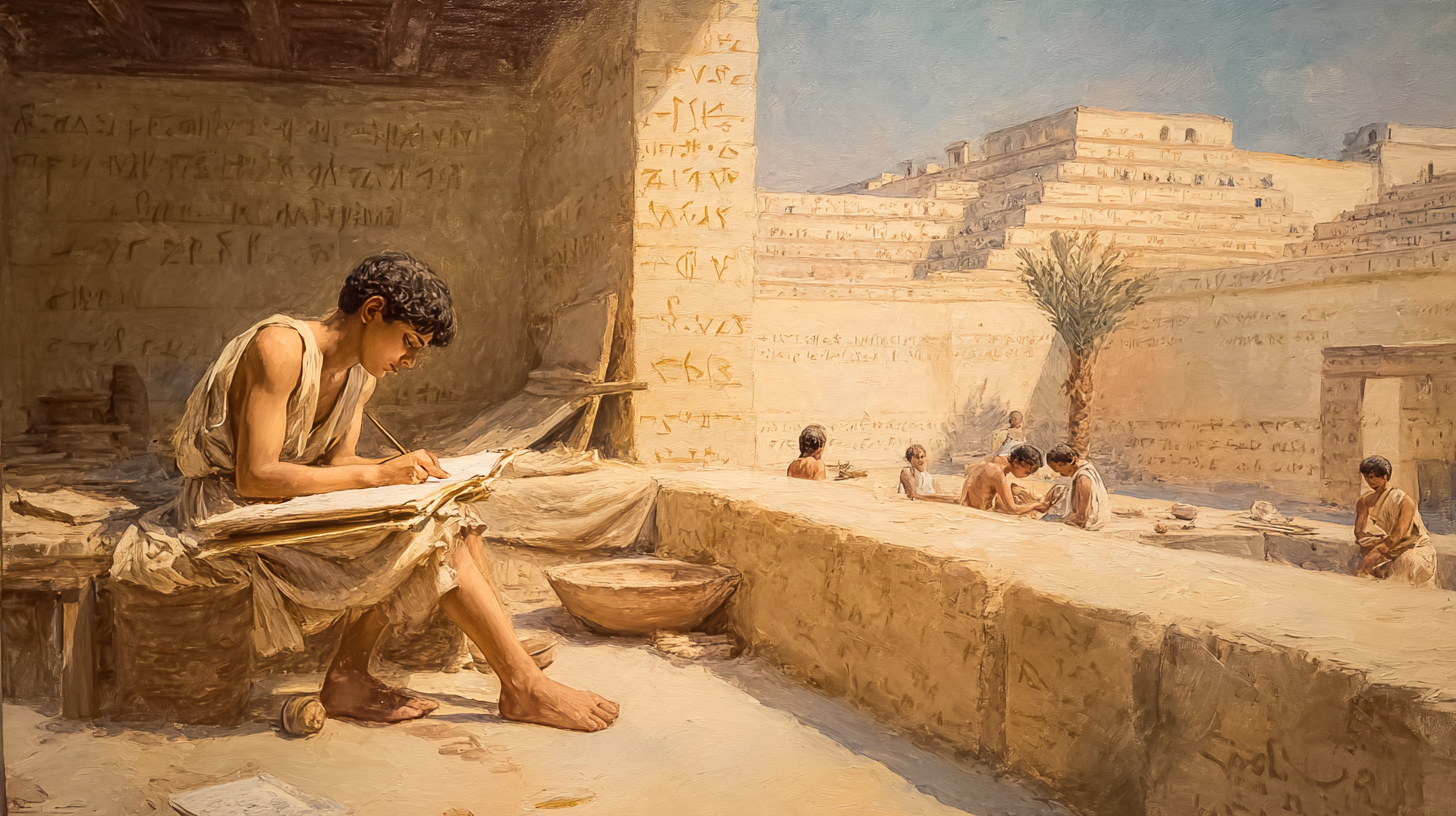
Scribes at Nippur copy the poem Enmerkar and the Lord of Aratta, Old Babylonian period

A Sumerian Poem About One Human Language Predates Genesis

Some 3,800 years ago, scribes in southern Mesopotamia were pressing into clay a poem in which a king tells his messenger to chant a spell about one human language. The poem is Enmerkar and the Lord of Aratta. Scholars think it was composed more than 4,000 years ago, and the tablets that carry it were ...

Lamps glow along the walls of Cain’s city of Enoch in Nod, earliest biblical age

The Bible Records No Judgment Against Cain’s City in Nod

The Bible records no judgment against the city Cain built in the land of Nod. Next to other Old Testament stories, that silence stands out. The setting is the earliest age of the biblical account, east of Eden, a generation or two after Adam and Eve. After Cain killed his brother Abel, he went out ...

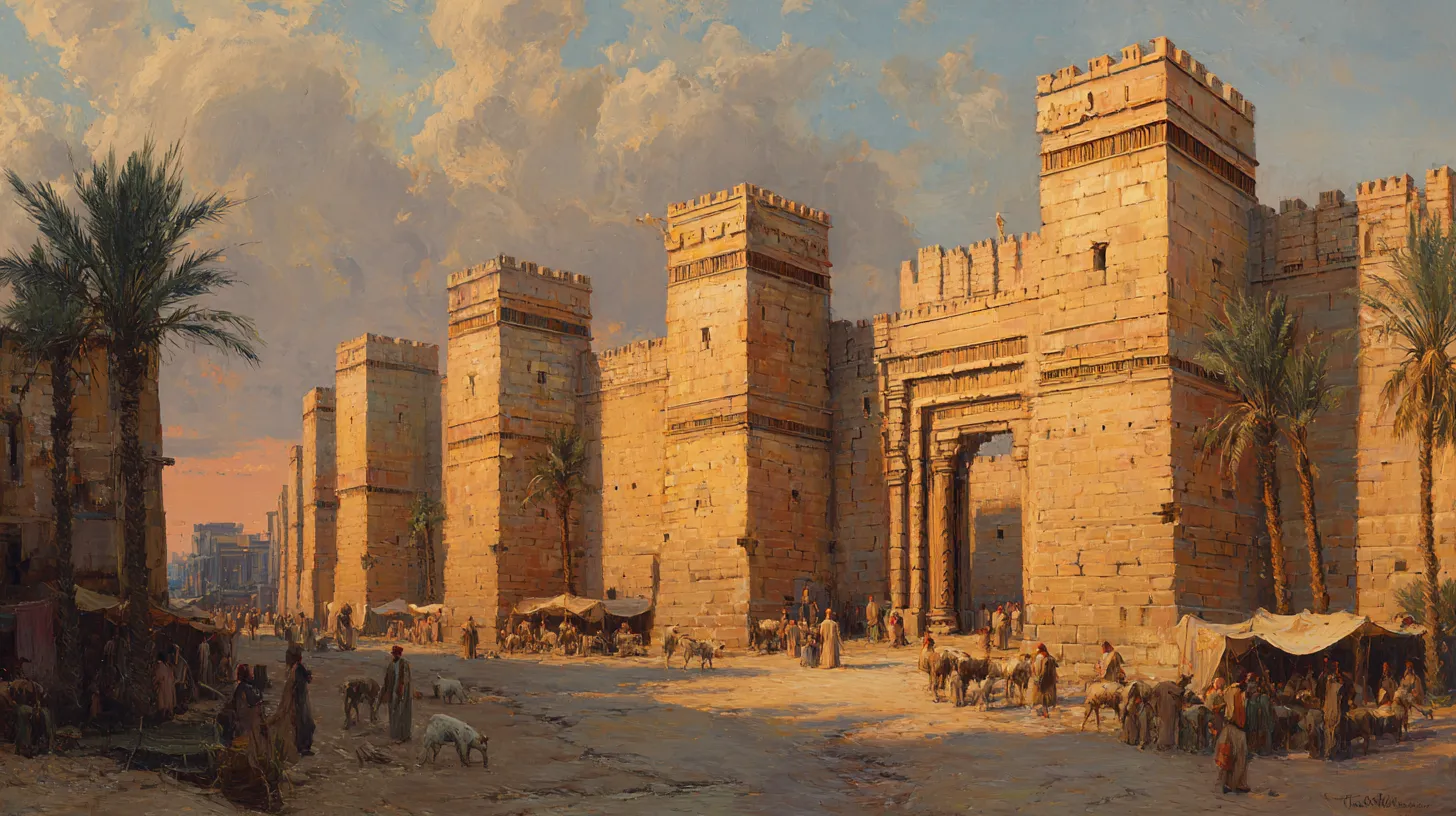
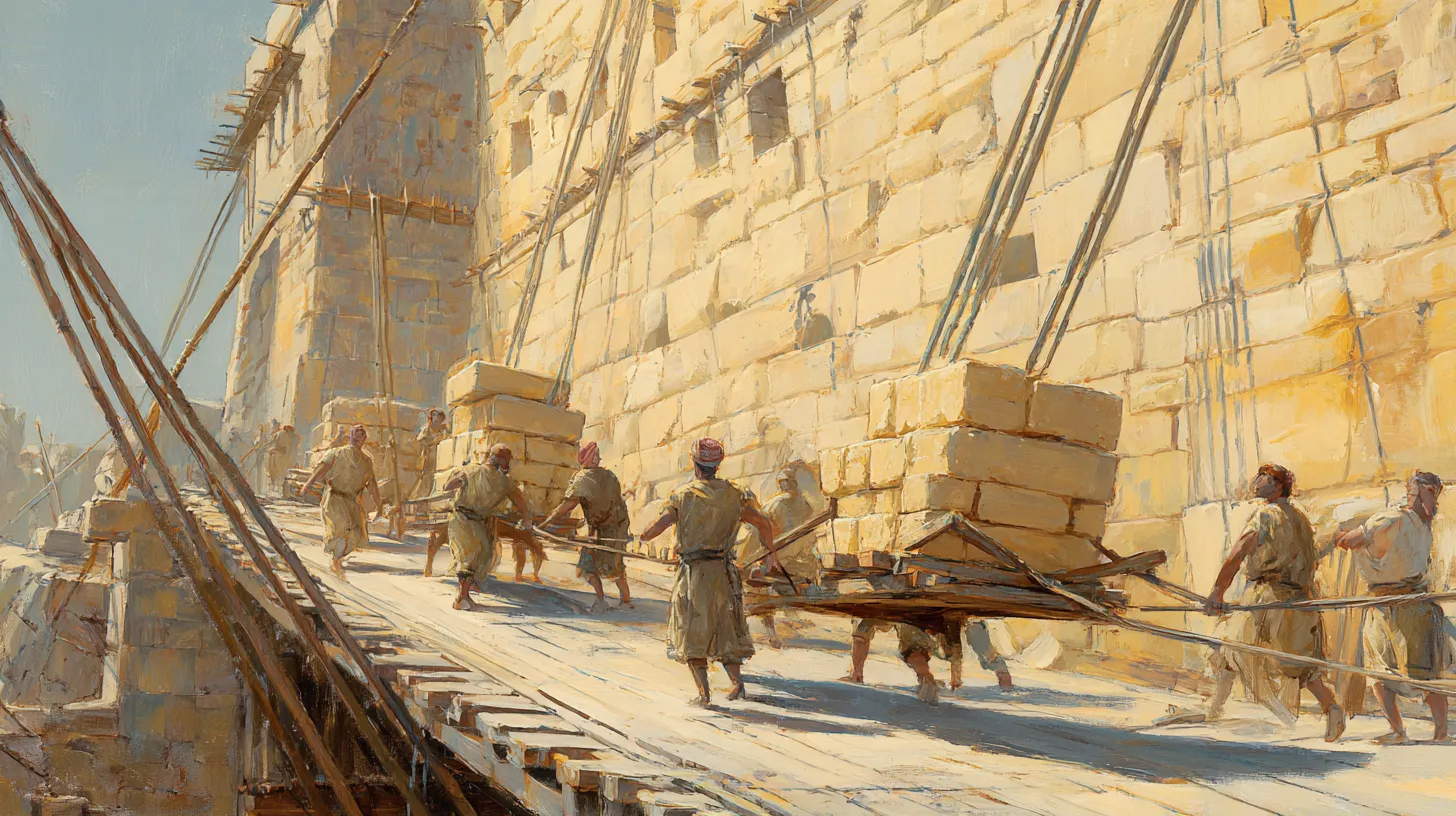
Cain’s city of Enoch rises behind half-built walls in Nod, earliest biblical age

The Bible Gave Cain a City; Josephus Gave It Walls

The Bible gives Cain a wife, a son and a city in the land of Nod, and almost nothing else. Much of what is said about his life there comes from a historian writing in the first century CE: the walls, the boundary lines, the robbery. None of it is in Genesis. The Whole Record ...

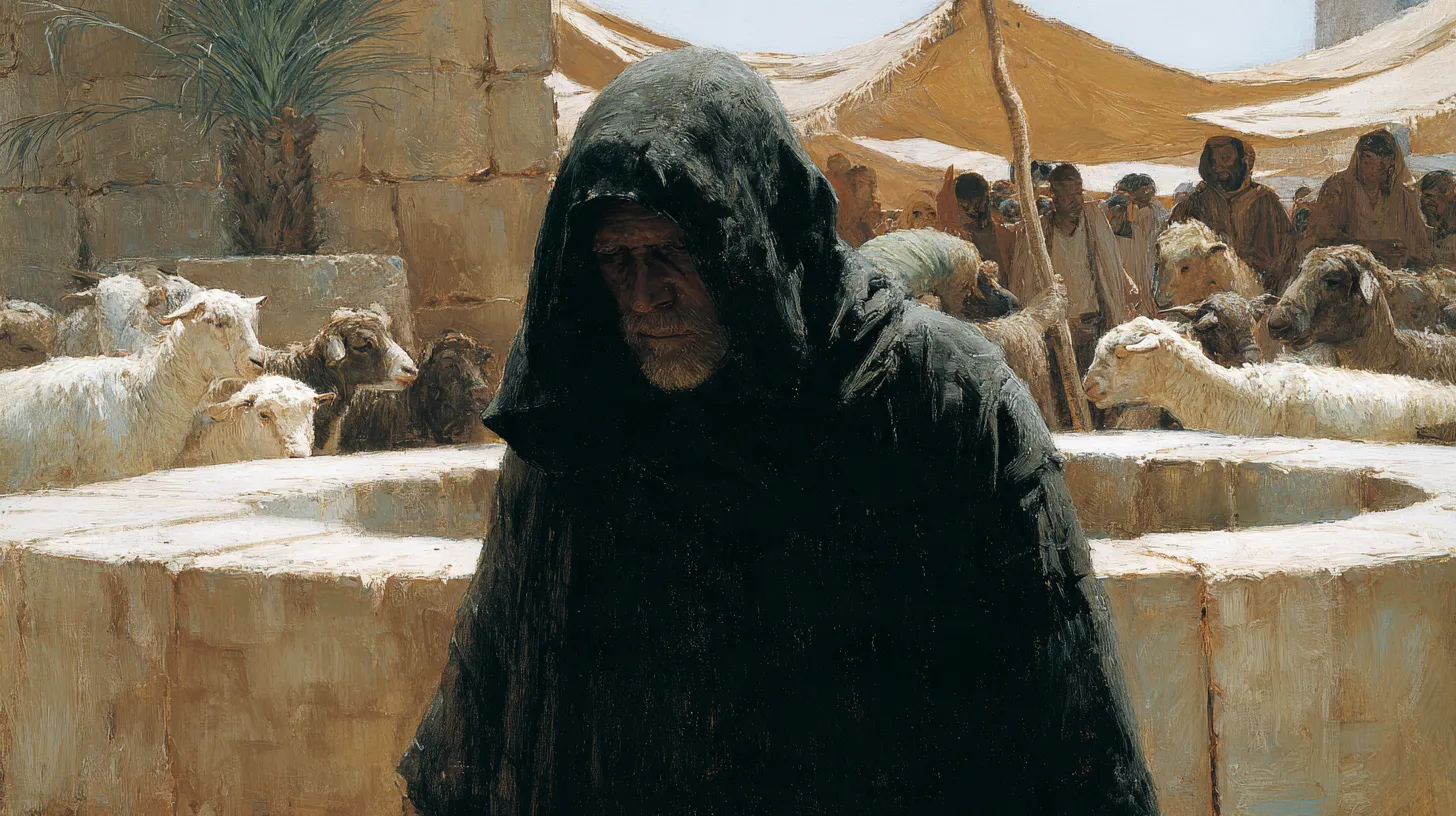
Cain, hooded, passes herders at a well east of Eden, earliest biblical age

The Bible Never Says What the Mark of Cain Looked Like

God put a mark on Cain so that no one would kill him, and the Bible never says what it looked like. Genesis is exact about everything around the mark: why it was needed, what it was meant to prevent, and what would happen to anyone who killed Cain anyway. The one thing it leaves ...

[Valid RSS]